






Securing Your E-Visa Online
For Indian passport holders, entering Oman for tourism is a streamlined process. You'll need to apply for an e-visa before you travel, which can be done through the official Royal Oman Police e-visa website or a verified travel agency. The key requirements
are straightforward: a passport valid for at least six months from your entry date, a recent digital photograph, and sometimes proof of a return ticket and hotel booking. Some travelers may find the process even simpler if they hold a valid visa for countries like the US, UK, Canada, Australia, Japan, or the Schengen Area. The entire process is online, from document submission to payment, and the approved e-visa is sent directly to your email. Just be sure to print a copy before you fly.
Best Time to Hike and What to Pack
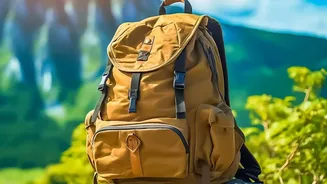
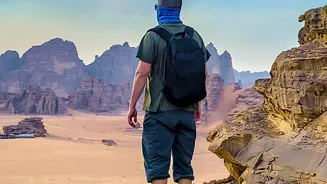
Timing is everything in Oman. The ideal window for backpacking and hiking is from October to April, when temperatures are pleasant, typically ranging from 20°C to 30°C. Summer months, from May to September, should be avoided for hiking due to extreme heat that can exceed 40°C. For gear, prioritize lightweight and breathable clothing. Essential items include sturdy hiking boots, a hat, sun protection, and a reliable backpack. A crucial piece of kit is a water container; you should carry at least 2-3 litres of water per person for any hike. For exploring the wadis, waterproof sandals or water shoes are indispensable, and a dry bag is highly recommended to protect your electronics and valuables while swimming through pools.
Iconic Canyon 1: Jebel Shams Balcony Walk
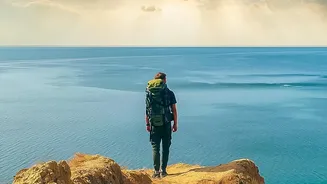
No trip to Oman is complete without visiting Jebel Shams, the 'Grand Canyon of Arabia'. The most famous trail here is the W6 Balcony Walk, a moderate 9-kilometer round-trip hike that takes about 3-4 hours. The path skirts the rim of Wadi Ghul, offering breathtaking views of the nearly 1,000-meter-deep canyon. Though the trail is mostly flat and well-worn, it has narrow sections with steep drops, so sure-footedness is required. The trail leads to the abandoned village of Sab Bani Khamis, a stone settlement clinging to the cliffside. There are no water sources on the trail, and mobile signal is scarce, so plan accordingly. For the best experience, start early in the morning to avoid the midday sun.
Iconic Canyon 2: Wadi Shab’s Hidden Waterfall
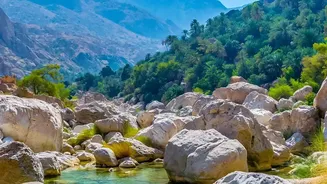
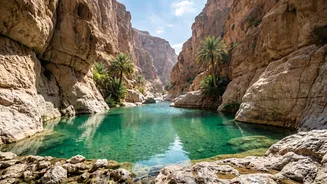
Wadi Shab offers a different kind of adventure—one that combines hiking with swimming. Located about a two-hour drive from Muscat, the journey begins with a short boat ride across a river for a small fee of 1 OMR. From there, a 45-60 minute hike takes you through a stunning gorge, past palm groves and turquoise pools. The trail involves some light bouldering and walking on uneven paths. The ultimate reward lies at the end: a swim through a series of pools that leads into a narrow opening, revealing a hidden cave with a waterfall inside. It's a truly magical experience. The entire round trip, including swimming, takes about three hours.
Budget Travel: Camping and Getting Around
Oman is a backpacker-friendly destination, largely because wild camping is legal and widely practiced throughout the country. You can pitch a tent almost anywhere, from beaches to mountain viewpoints, as long as you are not on private land, in a protected area like Ras Al Jinz Turtle Reserve, or too close to villages. This is a fantastic way to save money and enjoy the country's natural beauty. When it comes to transport, renting a car is the most flexible option. A 2WD is sufficient for many main attractions, including the trailheads for Wadi Shab and Jebel Shams. For a solo backpacker or couple, sharing a rental can be cost-effective. Public buses connect major cities, but reaching remote trailheads without a car can be challenging.