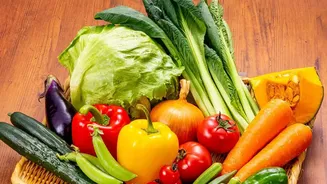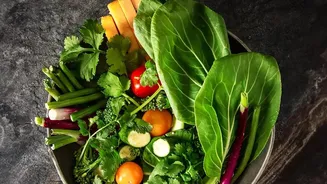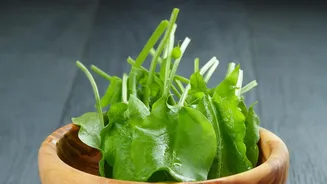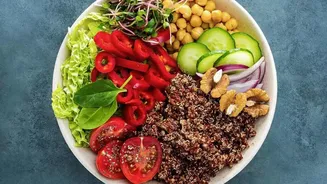



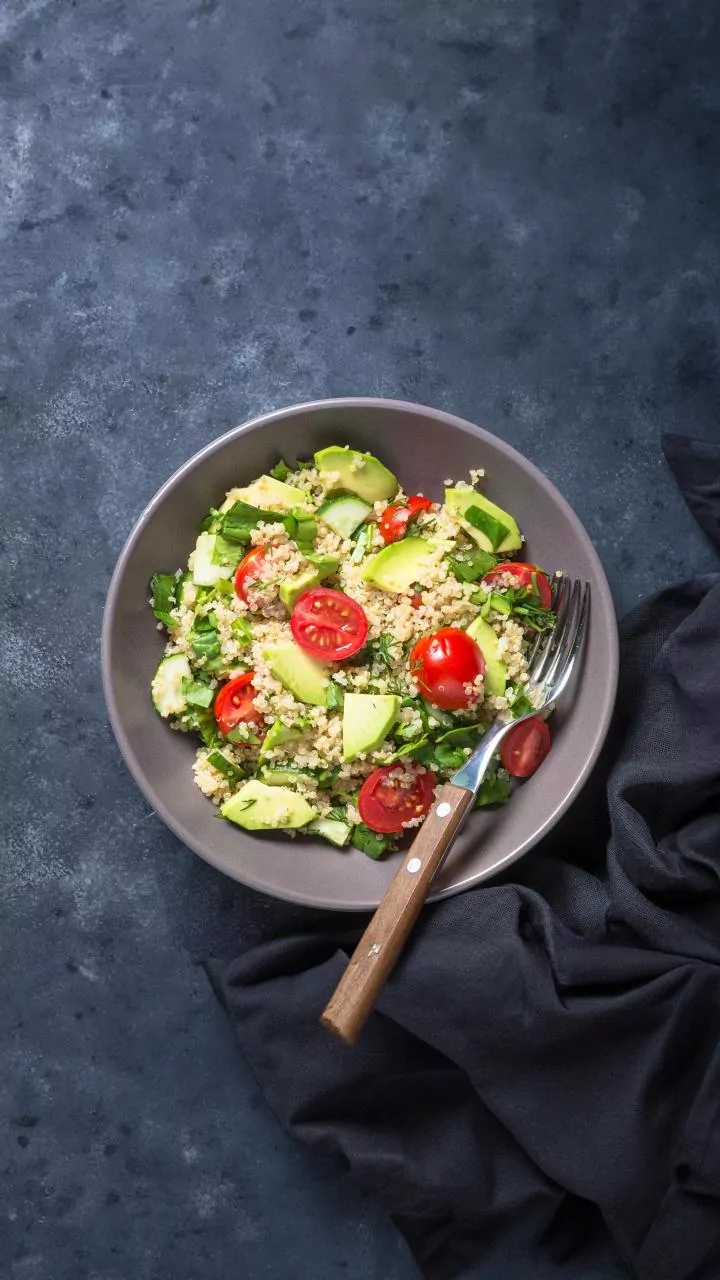


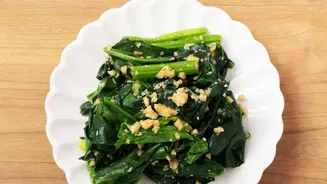
We all know we should eat our greens, but the conversation often stops at raw salads. What if cooking your leafy vegetables was one of the best ways to boost your nutrition, improve digestion, and embrace a wider, more delicious variety?
The Myth of 'Raw is Always Best'
The idea that
raw food is inherently more nutritious is a persistent myth. While it's true that some vitamins, like vitamin C, can diminish with heat, cooking is not the enemy of nutrition. In fact, for many leafy greens, the cooking process is essential for unlocking their full potential. Heat helps break down the tough cell walls of plants, which can make certain nutrients and antioxidants more available for your body to absorb. This means you may get more benefit from some nutrients in cooked greens than you would from eating them raw. Cooking also softens the fibre in vegetables, making them easier to chew and digest, which is especially beneficial for individuals with sensitive digestive systems.
Unlocking Nutrients Through Cooking
Cooking can significantly increase the bioavailability of several key nutrients. For fat-soluble vitamins like A (from beta-carotene), E, and K, the cooking process helps release them from the plant's cellular structure. Studies have shown that cooked carrots, for example, deliver more beta-carotene than raw ones. Similarly, minerals like iron, calcium, and magnesium become more accessible in cooked greens like spinach. Cooking also has the crucial benefit of reducing antinutrients, such as oxalates and goitrogens. Oxalates, found in high levels in raw spinach and chard, can bind to minerals like calcium and may contribute to kidney stones in susceptible individuals. Goitrogens, present in cruciferous greens like kale, can interfere with thyroid function in some cases, but cooking significantly reduces their levels.
Embracing a World of Greens
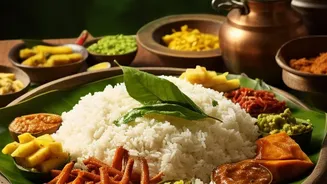
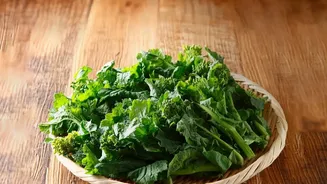
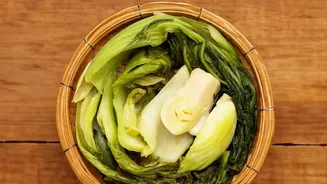
Focusing only on raw greens often limits us to a handful of salad-friendly options like lettuce and baby spinach. Cooking opens the door to a much broader and more exciting world of vegetables. Indian cuisine, in particular, has a rich tradition of cooking with a diverse array of leafy greens known as 'saag'. Beyond the familiar spinach (palak), consider trying fenugreek leaves (methi), which have a pleasant bitterness and are rich in iron. Amaranth leaves (chaulai or laal saag), mustard greens (sarson), and Malabar spinach (poi shaak) are other delicious and nutrient-dense options commonly used in dals, curries, and sabzis across the country. Exploring these varieties is the key to dietary diversity, which is crucial for good health.
Why Variety is the True Goal
The single most effective habit for supporting a healthy gut microbiome isn't eating one 'superfood', but rather a wide variety of plant foods. Research from the American Gut Project found that people who ate 30 or more different types of plant foods per week had a significantly more diverse and robust community of gut microbes. A diverse microbiome is linked to better digestion, stronger immunity, and reduced inflammation. Each type of green offers a unique profile of vitamins, minerals, and plant compounds (phytochemicals). By rotating through different greens like moringa, colocasia leaves (arbi ke patte), and bathua, you provide your body with a broader spectrum of nutrients than if you were to stick to just one or two favourites.
Smart Cooking for Maximum Nutrition
To get the best of both worlds—unlocked nutrients and minimal vitamin loss—your cooking method matters. Boiling can cause water-soluble vitamins like C and some B vitamins to leach into the water. If you do boil your greens, try using the nutrient-rich cooking liquid in a soup or gravy. Better yet, opt for cooking methods that use less water and shorter cooking times, such as steaming, sautéing, or microwaving. A quick stirfry with a little oil not only preserves nutrients but also adds healthy fats, which are necessary for absorbing fat soluble vitamins A, E, and K. To boost iron absorption from plant sources, always pair your cooked greens with a source of vitamin C, like a squeeze of lemon or lime juice, or by including tomatoes in the dish.