





Lentils and Pulses: The Protein Powerhouse
Lentils (dal) and pulses are the foundation of Indian cuisine, and they are particularly comforting during the monsoon. According to Ayurveda, light and easily digestible foods like moong dal are ideal for the rainy season when digestion can be sluggish.
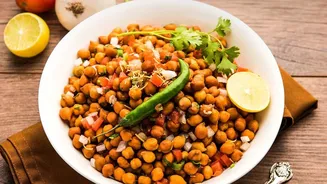
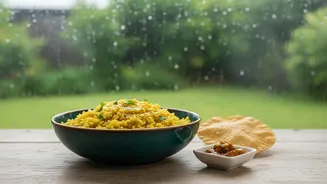
Prepping them saves a significant amount of time. At the start of the week, you can boil a large batch of chana or rajma, which can then be used for quick curries, salads, or cutlets. For quicker options like moong or masoor dal, simply sorting and cleaning them in advance is helpful. Storing them in airtight containers is crucial to prevent them from absorbing moisture from the humid air, which can lead to spoilage. This simple step ensures you have a ready source of protein for warm, nourishing meals like khichdi or dal tadka.
Ginger-Garlic Paste: The Flavour Base
Nearly every Indian savoury dish starts with a base of ginger and garlic. Peeling and chopping these daily can be tedious. Preparing a large batch of ginger-garlic paste at home is a game-changer. Not only does it save time, but both ginger and garlic are celebrated for their immunity-boosting properties, which are especially beneficial during the monsoon when infections are more common. To make the paste last longer, you can add a little salt or oil as a preservative and store it in a clean, airtight glass jar in the refrigerator. Some even freeze the paste in ice cube trays for perfectly portioned use. This prep step means the most aromatic and essential part of your cooking is ready to go, making weekday curries and stir-fries come together in minutes.
Roasted Grains: For Instant Breakfasts
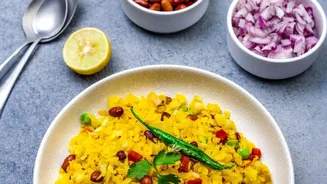
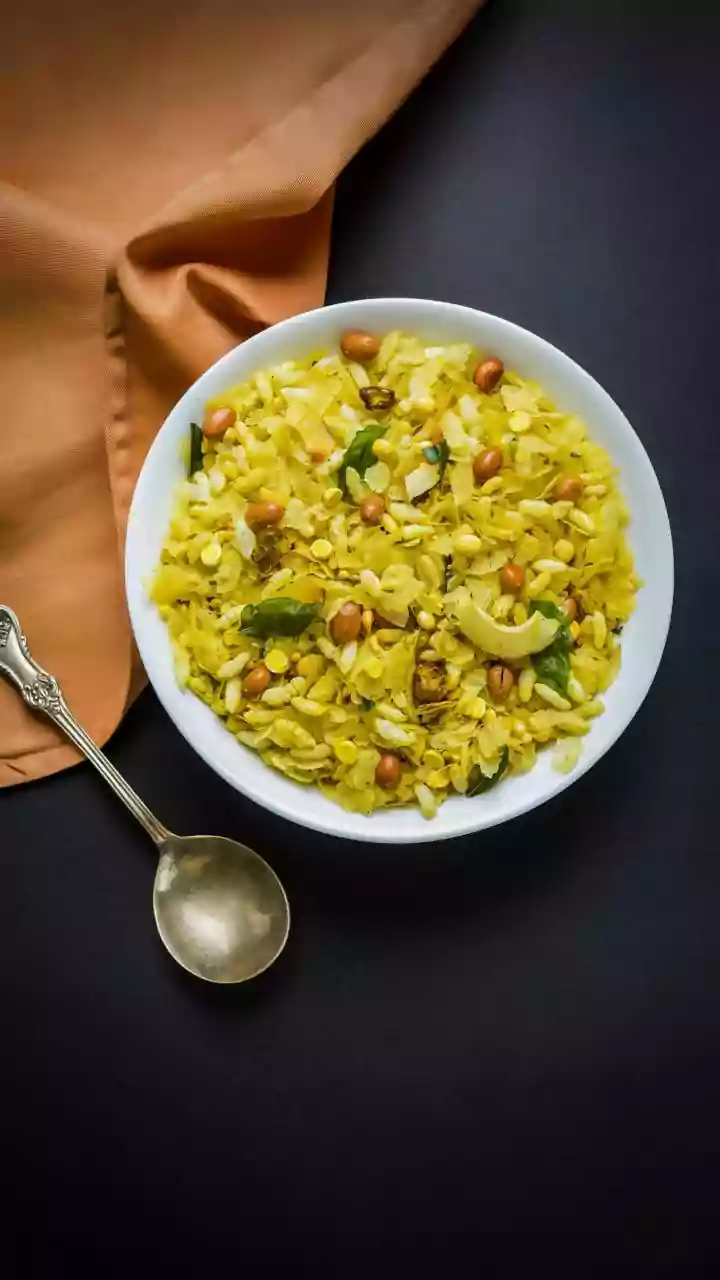
Humidity is the enemy of many dry goods in an Indian kitchen. Grains like semolina (suji/rava) and flattened rice (poha) are prone to clumping and developing a musty smell during the rains. A simple and effective prep technique is to lightly dry-roast them in a pan until they are fragrant and completely dry. Once cooled, store them in an airtight container. This not only extends their shelf life but also cuts down on cooking time. Roasted suji can be instantly turned into a savoury upma or a sweet sheera. Similarly, pre-roasted poha just needs a quick rinse and tempering to become a wholesome breakfast. This ensures that even on the busiest, rainiest morning, a warm and filling meal is just a few minutes away.
Homemade Spice Blends: For Consistent Taste
While pre-packaged masalas are convenient, custom homemade spice blends elevate the taste of your food and allow you to control the ingredients. The monsoon is a great time to prepare these. You can make a batch of your family’s garam masala, chai masala, or a versatile sabzi masala. To ensure longevity during the damp season, it's best to lightly roast the whole spices to remove any moisture before grinding them. Store these powders in clean, dry, airtight glass jars away from the steam and heat of the stove. Having these blends on hand not only makes your cooking faster but also ensures a consistent, authentic flavour in your dishes. A pinch of homemade chai masala, for instance, makes a regular cup of tea a truly special monsoon treat.
Nuts and Seeds: The Healthy Snack
Rainy evenings often bring on a craving for fried snacks. A healthier and equally satisfying alternative is a mix of nuts and seeds. They are packed with essential nutrients like zinc, vitamin E, and omega-3 fatty acids, which help support the immune system. However, humidity can make nuts and seeds lose their crunch and go rancid quickly. A good prep strategy is to lightly roast a mix of almonds, walnuts, and pumpkin or sunflower seeds. Once cooled completely, store them in an airtight jar, perhaps even in the refrigerator for extra protection. This pre-prepared snack is ready to eat, keeping you away from unhealthy options while providing a boost of energy and nutrients.