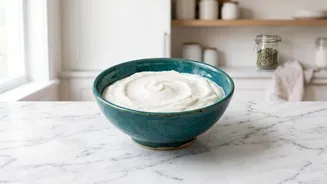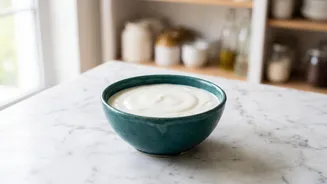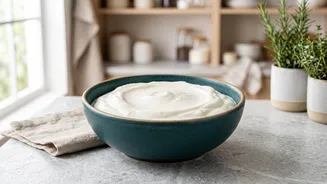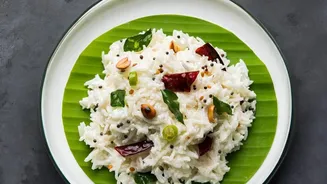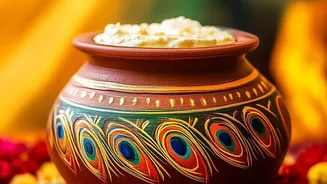





As winter arrives, so does the familiar advice to avoid curd. Many Indian households believe dahi in colder months can cause coughs and colds. But is this long-held belief based on fact, or is it time to reconsider this dietary rule?
Myth: Curd Causes Colds and Coughs
This is the most widespread
belief, but it's factually incorrect. Colds and coughs are caused by viruses, not by any specific food. In fact, modern nutrition science highlights that curd is an excellent immunity booster. It's packed with probiotics, which are beneficial bacteria that support a healthy gut. A strong gut is crucial for a robust immune system, helping your body fight off the very infections that are common in winter. Curd is also a rich source of protein, calcium, vitamin B12, and other nutrients that contribute to your overall health, regardless of the season.
Fact: The Ayurvedic Perspective Is Nuanced
The traditional fear of curd in winter is often linked to Ayurveda. Ayurvedic principles suggest that curd can increase 'Kapha' dosha, which is associated with mucus and heaviness in the body. This is why it's often advised against, especially for people who are already prone to respiratory issues like asthma or frequent colds. However, Ayurveda doesn't impose a blanket ban. In fact, some classical texts suggest that winter is a good time to eat curd because the body's digestive fire ('Agni') is naturally stronger. The key Ayurvedic advice is about how and when you eat it. It is strongly recommended to avoid curd at night, as the natural increase of Kapha in the evening combined with curd's properties can lead to congestion.
Myth: Curd Creates Excess Mucus
The idea that dairy products, including curd, cause your body to produce more mucus is a persistent myth. While some people might feel that existing mucus feels thicker after consuming dairy, there is no strong clinical evidence to prove that curd actually generates more of it in healthy individuals. For those who are susceptible to allergies or have respiratory conditions, the 'Kapha' increasing nature of curd, as described in Ayurveda, might worsen their symptoms, but for most people, this is not a concern.
Fact: Temperature and Timing Are Key
Both modern nutritionists and Ayurvedic experts agree on one crucial point: you should not consume curd straight from the refrigerator in winter. Cold food can irritate the throat, and the low temperature can be a shock to the system, potentially causing discomfort. The best practice is to let the curd come to room temperature before eating it. Furthermore, the ideal time to enjoy curd is during the day, preferably with your lunch, when your digestive system is at its most active. Consuming it at night is generally discouraged as it is heavier to digest and can lead to discomfort.
How to Enjoy Curd Safely in Winter
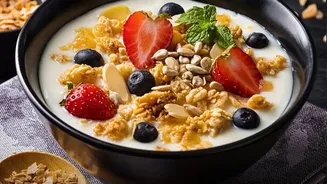
You don't have to give up your beloved dahi when the temperature drops. To enjoy its benefits without any potential downsides, simply follow a few smart guidelines. Eat fresh, room temperature curd during the daytime. Avoid it after sunset, especially if you have a tendency for coughs and colds. To further balance its cooling nature, you can try incorporating warming spices like roasted cumin powder, black pepper, or a little ginger, as is often done in raita or buttermilk preparations. Buttermilk (chaas) is often considered a lighter and more digestible alternative in Ayurveda.