



The Details of the Price Hike
Tata Motors will increase the prices of its passenger vehicles, including both petrol/diesel (ICE) and electric (EV) models, by up to ₹25,000. The company has stated that the price revision will vary depending on the specific model and variant, rather
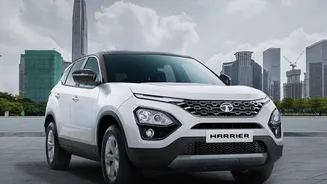
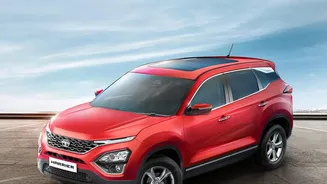
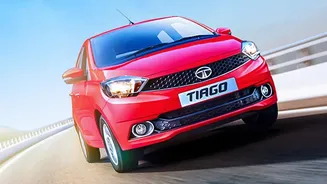
than being a flat increase across the board. This means a top-end SUV like the Safari or Harrier will likely see a more significant jump than an entry-level hatchback like the Tiago. The new prices will be applicable from September 1, 2026, marking the company's third price adjustment this year.
Why Are Car Prices Increasing?
The primary reason cited by Tata Motors is the need to partially offset rising input costs and sustained inflationary pressures. This isn't a challenge unique to Tata. The automotive industry as a whole has been grappling with higher costs for raw materials like steel and aluminium, as well as pricier electronic components and batteries. Other major manufacturers, including Maruti Suzuki and Hyundai, have also increased their vehicle prices multiple times in 2026 for similar reasons, indicating a broader industry trend. Carmakers state that while they absorb a significant portion of these increased costs, some of the burden must be passed on to the customer.
What This Means for Your Budget
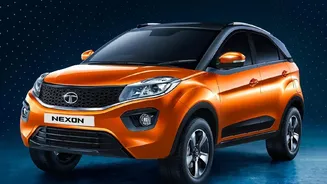
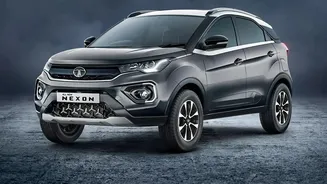
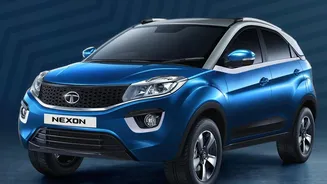
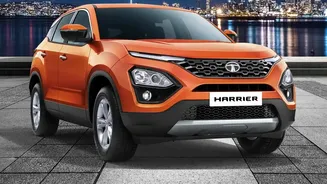
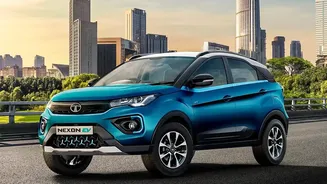
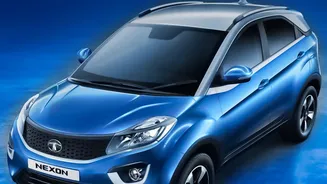
A hike of 'up to ₹25,000' can have a noticeable impact, especially in the budget and mid-range segments. For example, a buyer considering a Tata Nexon, one of India's best-selling SUVs, might see the final on-road price go up significantly. For a car with an ex-showroom price of around ₹8 lakh, even a smaller 1-2% increase translates to an extra ₹8,000 to ₹16,000. For premium models like the Harrier or Safari, which cost upwards of ₹15 lakh, the full ₹25,000 increase could apply to certain variants. This means buyers will either need to stretch their budgets, reconsider their choice of variant, or look for ways to save through discounts and offers.
Will Festive Discounts Save the Day?
The festive season, typically running from Navratri through Diwali, is when car manufacturers and dealers roll out their most attractive offers. These often include cash discounts, exchange bonuses, corporate offers, and free accessories. The key question for 2026 is whether these discounts will be substantial enough to negate the price hike. While some August offers have been generous, with benefits up to ₹1.25 lakh on specific models like the Curvv, the overall discount landscape for the upcoming season is uncertain. It's possible that while festive deals will still exist, their net effect might be diluted by the new, higher base prices. Buyers may find that the final price, even after discounts, is higher than what it would have been just a few weeks prior.
Your Strategy: To Buy Now or Wait?
If you have already decided on a Tata vehicle and have your finances in order, booking before September 1 could lock in the current, lower price, saving you from the impending hike. However, if you are flexible, you could wait to see what festive offers are announced in October and November. Historically, these months see the most aggressive promotions. Your decision should weigh the guaranteed saving of avoiding the price hike now against the potential for a better, but not guaranteed, festive discount later. It's also a good time to compare offers from competing brands like Hyundai, Maruti Suzuki, and Mahindra, who will also be vying for the festive season customer with their own schemes. Diligent research and negotiation will be key to securing the best possible deal in this inflationary market.