








Before You Leave Home
Preparation is your first line of defence. Before heading out, always check the latest weather forecast and traffic updates. Many Indian cities have apps and social media channels that provide real-time information on waterlogged areas and traffic diversions.
If heavy rain is predicted, postpone non-essential travel. Pack an emergency kit with a fully charged power bank, a small first-aid kit, drinking water, and some snacks. Keep your important documents and electronics in waterproof bags. Choosing the right attire can also make a significant difference; opt for quick-drying clothes and, most importantly, sturdy, waterproof footwear with a good grip to prevent slips and falls on wet surfaces.
For Those Behind the Wheel
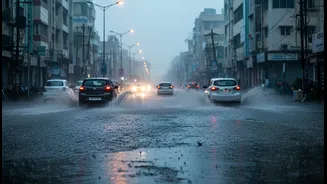
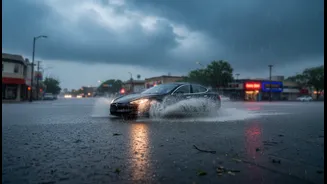
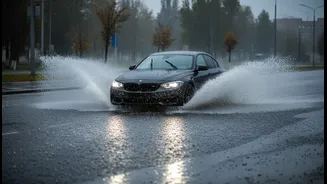
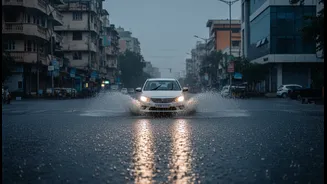
Driving during a downpour requires your full attention. The most important rule is to reduce your speed significantly, as wet roads increase your vehicle's braking distance. Maintain at least twice the usual distance from the vehicle in front of you. Use your low-beam headlights even during the day to ensure you are visible to other drivers. Avoid driving through waterlogged streets. It's often impossible to gauge the depth of the water, which can stall your engine or cause you to lose control. Puddles can also hide deep potholes that can cause accidents or damage your vehicle. If you absolutely must cross a shallow flooded patch, stay in a low gear and keep your engine revs high to prevent water from entering the exhaust pipe. Never use cruise control in the rain and avoid any sudden braking or sharp turns.
Tips for Two-Wheeler Riders
Riding a motorcycle or scooter in the rain is particularly hazardous. Your visibility is reduced, and the roads become extremely slippery. Ensure your tyres have adequate tread and are properly inflated for maximum grip. Your brakes are less effective when wet, so check them regularly and get worn pads replaced promptly. Wear a full-face helmet with a clean visor; applying a coat of car wax on the visor can help repel water and improve visibility. Brightly coloured or reflective waterproof gear is essential to make sure other drivers can see you. Be extra cautious of oily patches on the road, which become incredibly slick in the rain. Avoid sudden acceleration or hard braking, as this can easily lead to a skid.
Safety for Pedestrians and Commuters
If you are walking or using public transport, the dangers are different but just as serious. The biggest risk in waterlogged areas is from open manholes, which can be forced off by pressure from below and become invisible death traps. Stick to familiar routes and, if possible, use a stick or probe to check the ground in front of you when wading through water. Another significant danger is electrocution from submerged electrical boxes or fallen live wires. Be extremely vigilant and stay away from any electrical infrastructure. When waiting for a bus or train, stand away from the edge of crowded platforms, which can be slippery. Try to avoid walking through stagnant floodwater, as it is often contaminated with sewage and can cause skin infections or other waterborne diseases like leptospirosis.
After You Reach Your Destination
If you have had to wade through floodwater, take immediate precautions upon reaching your destination. Before entering your home, carefully inspect your feet and legs for any cuts or scratches, as contaminated water can lead to serious infections. Clean any wounds immediately with antiseptic and cover them. Wash your feet and legs thoroughly with soap and clean water. It is advisable to change out of wet clothes and shoes as soon as possible to prevent fungal infections. Over the next few days, watch for any warning signs of illness like fever, muscle pain, or vomiting, and seek medical advice if you feel unwell.