




The Practical Power of Walking Indoors
The beauty of indoor walking lies in its simplicity. You don't need a gym membership or fancy equipment; all you need is a small, clear space in your living room. This makes it an incredibly accessible form of exercise for everyone, regardless of fitness
level or weather conditions. It eliminates common hurdles like icy footpaths, heavy rain, or extreme heat that can derail an outdoor walking routine. Furthermore, walking indoors provides a safe, controlled environment, free from traffic or uneven terrain, which is particularly beneficial for older adults or those with balance concerns. The benefits are significant: regular indoor walking elevates your heart rate, improves blood circulation, and contributes to better cardiovascular health. It's a low-impact activity, meaning it's gentle on your joints, making it a great option for beginners or those with orthopaedic limitations.
How to Start Your Indoor Walking Routine
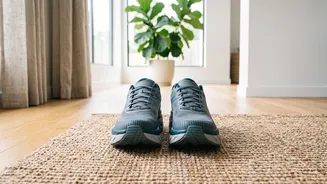
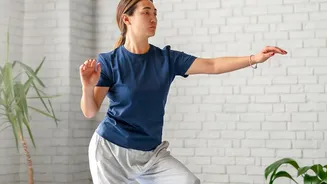
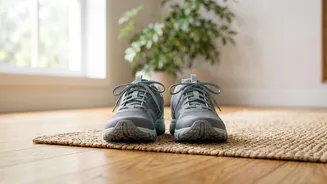
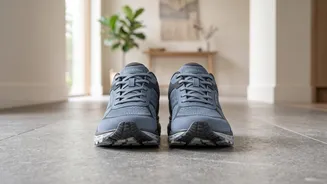
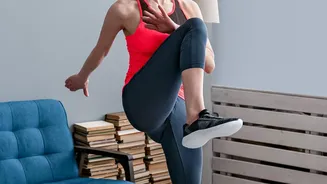
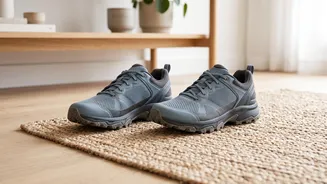
Getting started is as easy as marching in place. Stand tall with your shoulders relaxed and lift your knees alternately, swinging your arms naturally as if you were walking outside. It’s recommended that beginners start with realistic goals, perhaps 10 to 15 minutes a day, and gradually increase the duration as fitness improves. Even short bursts of activity add up and make a difference. While you can walk barefoot, wearing a pair of comfortable, supportive shoes is advisable to protect your feet and joints. To ensure you're getting a moderate-intensity workout, use the 'talk test': you should be able to talk in short sentences but not sing. This simple form of exercise can burn between 100 to 200 calories in 30 minutes, depending on your pace and body weight.
Beyond Marching: Making It More Effective
Once you're comfortable with basic marching, you can introduce variations to increase the intensity and keep things interesting. Try incorporating different movements into your routine. For example, you can alternate one minute of marching with one minute of side steps, high knees, or backward walking. High knees, where you lift your knees as high as you can, challenge your core and increase your heart rate. Backward walking improves balance and works different leg muscles. You can also add arm movements like bicep curls or front raises, with or without light weights, to engage your upper body. If you have stairs, walking up and down them for a few minutes is an excellent way to boost stamina and strengthen your legs. These variations not only prevent boredom but also ensure you're getting a more comprehensive workout.
Staying Motivated for the Long Haul
The key to any successful fitness routine is consistency. To avoid boredom, create an engaging environment. Listen to an energizing music playlist with a tempo of around 120-130 beats per minute, as your walking cadence will naturally match the beat. Podcasts and audiobooks are other great options to make the time fly by. Many people find success by pairing their workout with another daily activity, like watching a favourite TV show or talking on the phone. You can walk in place or around the room during commercial breaks. Following guided indoor walking workouts available online can also provide structure and motivation, with thousands of free videos designed for different fitness levels. Tracking your progress, either through a fitness app or a simple log, can also be a powerful motivator. Setting small, achievable goals, like adding two minutes to your walk each week, can help you build momentum and stay committed.