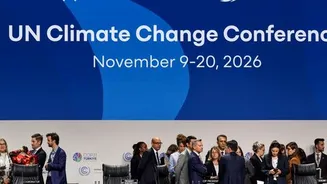






After two weeks of intense negotiations that ran into a record-breaking overtime, the COP31 climate summit has ended in failure. Nations failed to agree on a joint path forward, leaving the world without a unified plan to tackle climate change.
A Summit Ends in Stalemate
The 31st
Conference of the Parties (COP31) in Antalya, Turkey, concluded without the crucial consensus needed for a final agreement, marking the first such collapse in over a decade. The talks, which stretched nearly two full days past their deadline, ended with deep divisions between countries, particularly over the future of fossil fuels and the financial commitments needed to support developing nations. The European Union and a coalition of climate-vulnerable nations ultimately rejected a final draft text they argued was too weak and would have represented a step backward in the fight against global warming. UN officials expressed profound disappointment, warning that the world could not afford such a failure as the impacts of climate change intensify globally.
The Great Divide: Finance and Fairness
A primary reason for the collapse was the persistent and deep-seated disagreement over climate finance. Developing countries, including large negotiating blocs like the G77 and the African Group, argued that wealthy nations have failed to deliver on long-standing financial promises. These nations have been calling for predictable and accessible funding to help them transition to cleaner energy and adapt to climate impacts they did not create. India, in particular, forcefully reasserted the principle of 'Common but Differentiated Responsibilities', arguing that countries with a historical responsibility for the bulk of emissions must lead in providing financial and technological support. Developed countries, however, were reluctant to make new, large-scale financial pledges, citing strained budgets and a desire for a broader base of contributors, which ultimately created an unbridgeable gap in trust.
Fossil Fuels: The Unmentionable Subject
The most contentious issue on the floor was the language surrounding fossil fuels. A large coalition of over 100 countries, including the EU and numerous small island states, pushed for the final agreement to include a clear call for the 'phase-out' of coal, oil, and gas. However, this was met with strong opposition from several oil and gas-producing nations, who argued against such explicit language. They instead promoted the role of technologies like carbon capture and storage (CCS) as part of the solution, a position critics say is a 'dangerous smokescreen' to prolong the life of the fossil fuel industry. The final draft text presented by the summit's presidency did not include a direct mention of phasing out fossil fuels, which many nations deemed an unacceptable omission and a key reason for rejecting the deal.
India's Stand and the Path Forward
Throughout the summit, India positioned itself as a leading voice for the Global South, championing climate justice and equity. The Indian delegation consistently highlighted that developing nations cannot be expected to shoulder an unfair burden for emissions historically caused by industrialised countries. While committed to its own ambitious renewable energy targets, India maintained that its development needs are paramount and require a 'just transition' supported by international finance and technology transfer. The failure to secure a global deal puts more pressure on national and regional strategies. For India, this means continuing its massive push into renewable energy while navigating the economic challenges of transitioning away from coal, a process that will be significantly harder without the promised international support.
What Happens Now?
The collapse of the Antalya talks is a significant blow to the multilateral climate process established under the Paris Agreement. It raises questions about the effectiveness of a consensus-based approach when geopolitical and economic interests are so sharply divided. In the absence of a new global pact, the responsibility now falls back on individual countries, cities, and regions to accelerate their own climate actions. While smaller, voluntary coalitions and side-deals on issues like ocean protection and methane reduction did see some progress, the central pillar of a unified global response has crumbled. The urgent task ahead will be to rebuild trust and find a new way forward before the next summit, as the science makes clear there is no time to spare.