






The Rhythm of the Indian Kitchen
At the heart of this phenomenon is the Indian style of cooking. Unlike Western kitchens that may rely on weekly grocery runs and large refrigerators stocked with processed or frozen goods, the Indian kitchen pulses with a daily rhythm. Recipes are built
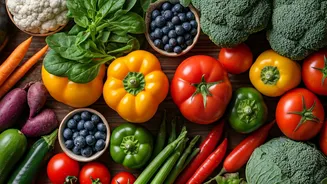
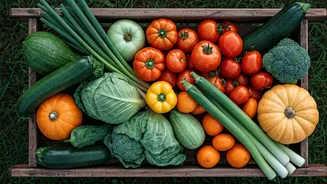
around seasonal vegetables that are bought, chopped, and cooked within hours. The very concept of 'sabzi'—a cooked vegetable dish that changes daily—necessitates a constant supply of fresh ingredients. This tradition is rooted in an era before widespread refrigeration, when buying fresh every day was a necessity. That necessity has since evolved into a cultural preference for the vibrant taste, texture, and aroma that only freshly picked produce can provide. The act of selecting vegetables is a sensory experience: feeling the firmness of a tomato, snapping a bean to check for freshness, or smelling the earthy scent of new potatoes. It's a ritual that connects the cook to the food in a fundamental way.
An Unbeatable Supply Chain
The term 'hyperlocal' perfectly describes the traditional Indian produce supply chain, a model of staggering efficiency that operates largely under the radar. It begins at dawn in wholesale markets, or 'mandis', on the outskirts of cities. Farmers bring their overnight harvest, which is quickly auctioned off to wholesalers and distributors. From there, it cascades down to neighbourhood-level vendors. These vendors, often with their trusted pushcarts ('thelas') or small pavement stalls, collect their stock for the day and bring it directly to residential areas. This entire process, from farm to kitchen cart, can happen in less than 24 hours. This system minimizes the need for cold storage, reduces spoilage, and ensures that the produce retains maximum freshness and nutritional value by the time it reaches the consumer. It’s a lean, agile, and incredibly effective network built on relationships and local knowledge.
Economics on Two Wheels
The dominance of the local vendor is also a story of simple, powerful economics. For the consumer, buying from a thelawala is often more affordable than shopping at a supermarket. These vendors have minimal overheads—no rent for a large retail space, no electricity bills for air conditioning and lighting, and no complex packaging costs. They pass these savings on to the customer. This model also allows for flexibility; you can buy just two onions or a handful of green chillies, a purchasing style that larger retail formats discourage. For the vendors themselves, this trade provides a vital source of livelihood for millions across the country. It’s a low-barrier-to-entry profession that sustains families and forms the backbone of the informal economy. The symbiotic relationship between the affordable vendor and the daily-needs customer creates a market that is difficult for large, impersonal corporations to disrupt.
The Flavour and Health Equation
Ultimately, the most compelling reason is taste. Anyone who has compared a freshly plucked coriander leaf with one that has spent a week in a plastic bag understands the difference. Local produce, picked at its peak ripeness and consumed shortly after, is bursting with flavour and nutrients. Seasonal eating is not a dietary trend here; it's the default. In winter, carts are laden with leafy greens, carrots, and peas. Summer brings a bounty of gourds, melons, and mangoes. This natural cycle ensures that the body gets the nutrients it needs for that particular season. Food that has travelled shorter distances is not only fresher but also has a smaller carbon footprint, making it a more sustainable choice. The health benefits are intuitive to generations of Indians: fresh food is simply better food.
Modern Challenges, Timeless Appeal
While supermarkets and 10-minute grocery delivery apps are making inroads, they haven’t displaced the local vegetable vendor. In fact, in many cases, they coexist. An urban family might use an app for their weekly staples but still rely on their neighbourhood vendor for daily greens and specialty items. These modern services compete on convenience, but the hyperlocal model wins on freshness, cost, and human connection. The familiar call of the 'sabziwala' and the friendly banter over prices are part of the community fabric. This system is not just a method of distribution; it’s a cultural institution. It has proven its resilience for centuries and continues to be the most efficient, affordable, and flavourful way to bring the farm to the Indian kitchen.