



Poha from Maharashtra
This classic Maharashtrian dish is the epitome of a quick and healthy breakfast. Made from flattened rice, Poha is incredibly light on the stomach and easy to digest. The preparation is simple: rinsed poha is tossed with sautéed onions, mustard seeds,
turmeric, and often potatoes or peas. It's naturally low in calories and a good source of healthy carbohydrates for sustained energy. A key benefit comes from its journey through iron rollers during production, which fortifies it with iron. The traditional addition of peanuts adds a satisfying crunch and a dose of healthy fats and protein, while a final squeeze of lemon not only enhances the flavour but also helps your body absorb the iron.
Idli with Sambar from South India
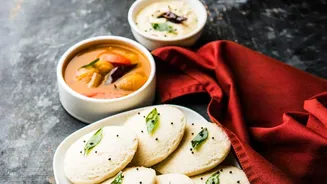
A globally recognized icon of South Indian cuisine, the combination of Idli and Sambar is a masterclass in balanced nutrition. Idlis are soft, steamed cakes made from a fermented batter of rice and urad dal (black lentils). The fermentation process is crucial, as it creates probiotics that support gut health and makes the nutrients more bioavailable and easier to digest. Being steamed, idlis are naturally low in fat. When paired with sambar, a flavourful stew of lentils and vegetables like drumsticks, carrots, and pumpkin, the meal becomes a powerhouse of plant-based protein, fibre, and a wide array of vitamins and minerals.
Pesarattu from Andhra Pradesh
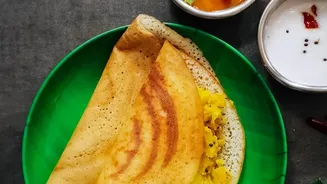
Hailing from Andhra Pradesh, Pesarattu is a crisp, green crepe that packs a serious protein punch. Unlike most dosas, it's made primarily from whole green moong dal, not rice, making it exceptionally high in protein and dietary fibre. Another advantage is that the batter requires no fermentation; you simply soak the lentils for a few hours, then grind them with ginger, green chillies, and cumin seeds. This makes it a fantastic option when you haven't planned ahead. It has a low glycemic index, which helps in managing blood sugar levels, and is incredibly filling, keeping hunger at bay for hours. Often served with a sprinkle of raw onions on top, it’s a uniquely savoury and wholesome start to the day.
Ragi Dosa from Karnataka
Ragi, or finger millet, is a nutrient-dense ancient grain celebrated in Southern India, particularly Karnataka. A Ragi Dosa swaps out traditional rice for ragi flour, resulting in a breakfast that is rich in calcium, iron, and dietary fibre. It's naturally gluten-free and has a lower glycemic index compared to rice-based dosas, making it an excellent choice for steady, long-lasting energy. The batter can be made instantly or fermented, offering flexibility. With its distinctive nutty flavour and crispy texture, a Ragi Dosa provides a substantial nutritional upgrade without sacrificing the satisfaction of a classic South Indian crepe.
Thepla from Gujarat
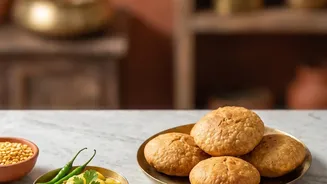
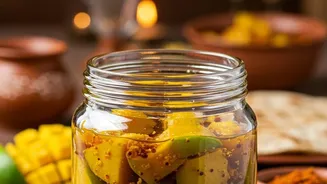
A staple in every Gujarati household, Theplas are soft, spiced flatbreads that are both nutritious and incredibly convenient. Made from whole wheat flour, they are often enriched with ingredients like fenugreek leaves (methi), sesame seeds, and spices. The addition of methi not only adds a unique flavour but also boosts the fibre content. One of the best things about Theplas is their shelf life; they can be made in a large batch and stored for several days, making them a truly 'effortless' morning option. Just grab a couple, pair them with plain curd or a simple pickle, and you have a balanced, ready-to-eat meal.
Sattu Paratha from Bihar
Often called the 'poor man's protein powder', sattu is a flour made from roasted Bengal gram and is a nutritional powerhouse from Bihar and neighbouring states. A Sattu Paratha involves stuffing this high-protein, high-fibre flour into a whole wheat flatbread. This combination creates a breakfast that is incredibly satiating, providing slowreleasing energy that can sustain you for hours. Sattu is rich in iron, magnesium, and other essential minerals, and its high fibre content aids digestion. It's a rustic enough meal that perfectly demonstrates how traditional foods can be exceptionally functional for a modern lifestyle.
Upma from South India and Maharashtra
Upma is a thick than savoury porridge that is beloved across many parts of India for its simplicity and comforting nature. Typically made from dry roasted semolina (rava or suji), its preparation is quick making it ideal for busy mornings. The base dish is simple but it is a fantastic canvas for adding nutritional value. By loading it with vegetables like carrots peas beans you can easily increase its fibre vitamin and mineral content. Semolina is a good source of iron and healthy fats and because it is slow to digest it keeps you feeling full and satisfied helping to prevent mid morning snack cravings.