




The Pressure of the Perfect Home
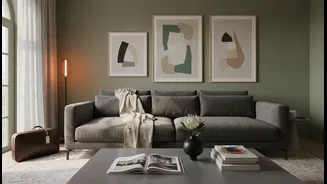
Scroll through any social media feed, and you’ll be bombarded with images of flawless interiors. Stark white walls, minimalist furniture arranged just so, and not a single item out of place. This aesthetic, while beautiful in a photograph, has created
a kind of “home dysmorphia,” where the pressure to maintain a showroom-ready space leads to anxiety rather than comfort. This pursuit of perfection is often driven by a fear of judgment and a desire for approval. Psychologists note that the constant exposure to curated perfection can make us feel like our own lives, and homes, are inadequate. The irony is that the drive for a flawless home can be so overwhelming that it leads to paralysis, where the fear of not achieving perfection prevents us from starting to organize at all.
The Rise of Wabi-Sabi
As a direct response to this pressure, a different philosophy is taking root: wabi-sabi. This traditional Japanese worldview finds beauty in imperfection, transience, and simplicity. It’s about appreciating the natural lifecycle of things, including the marks of age and wear. Wabi is the beauty in asymmetry and roughness, like a handmade ceramic bowl, while Sabi is the beauty found in the passage of time, like the patina on an old mirror. In interior design, this translates to using natural, organic materials like wood, linen, and stone, favouring handmade items over mass-produced ones, and embracing the unique character of objects with a history. It’s a shift from sterile minimalism to a more soulful, authentic way of living.
A Home That Tells Your Story
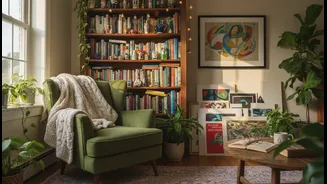
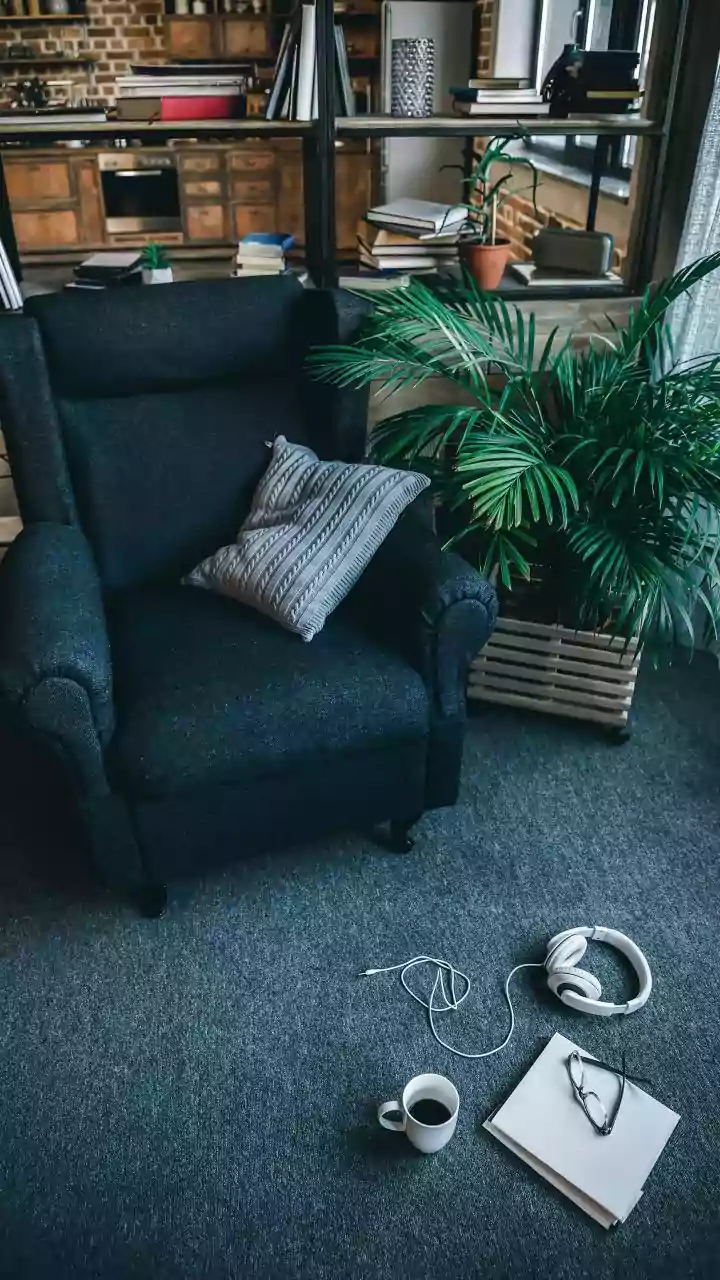
An imperfect home is an honest one. Every crack, scuff, and mismatched piece of furniture tells a story. A stack of books by the bed, a collection of mugs from different travels, a child’s drawing taped to the fridge—these aren't signs of messiness, but signs of a life being lived. A home should reflect the people who live in it, with all their quirks and passions. These spaces feel more welcoming because they are authentic. Rather than a sterile gallery, the home becomes a living biography, a collection of memories and moments that make it uniquely yours. This emotional connection is what truly transforms a house into a haven.
Embracing a Lived-In Life
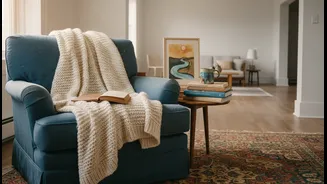
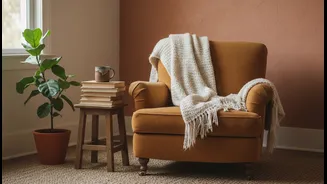
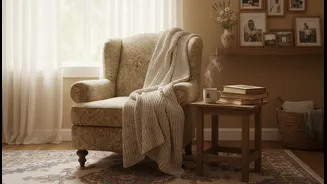
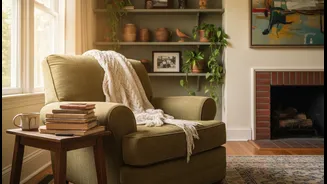
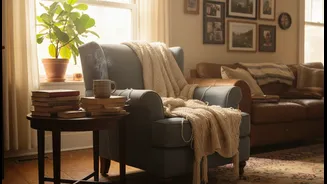
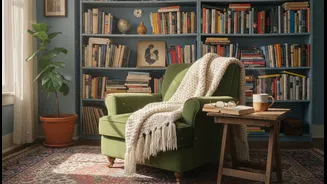
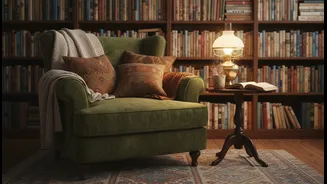
Letting go of perfection doesn't mean embracing chaos. There is a difference between a home that is lived-in and one that is simply cluttered. The goal isn't to stop cleaning but to shift your mindset. It’s about intentional living—making conscious choices about what you bring into your home and why. Instead of striving for an unattainable ideal, focus on what makes your space feel comfortable and functional for you. This might mean keeping the cosy, worn-out armchair instead of buying a trendy new one, or allowing everyday items to have a place out in the open. The key is to create a space that serves your life, rather than becoming a slave to maintaining its appearance.