



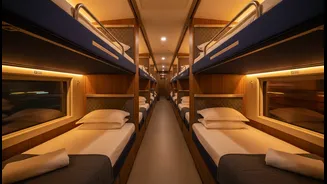


A New Era for Overnight Travel
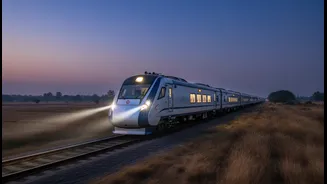
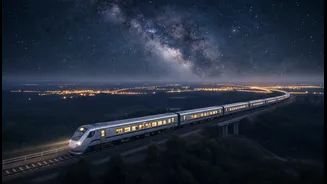
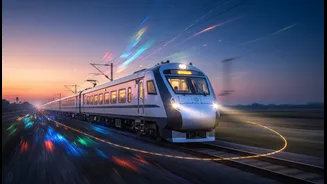
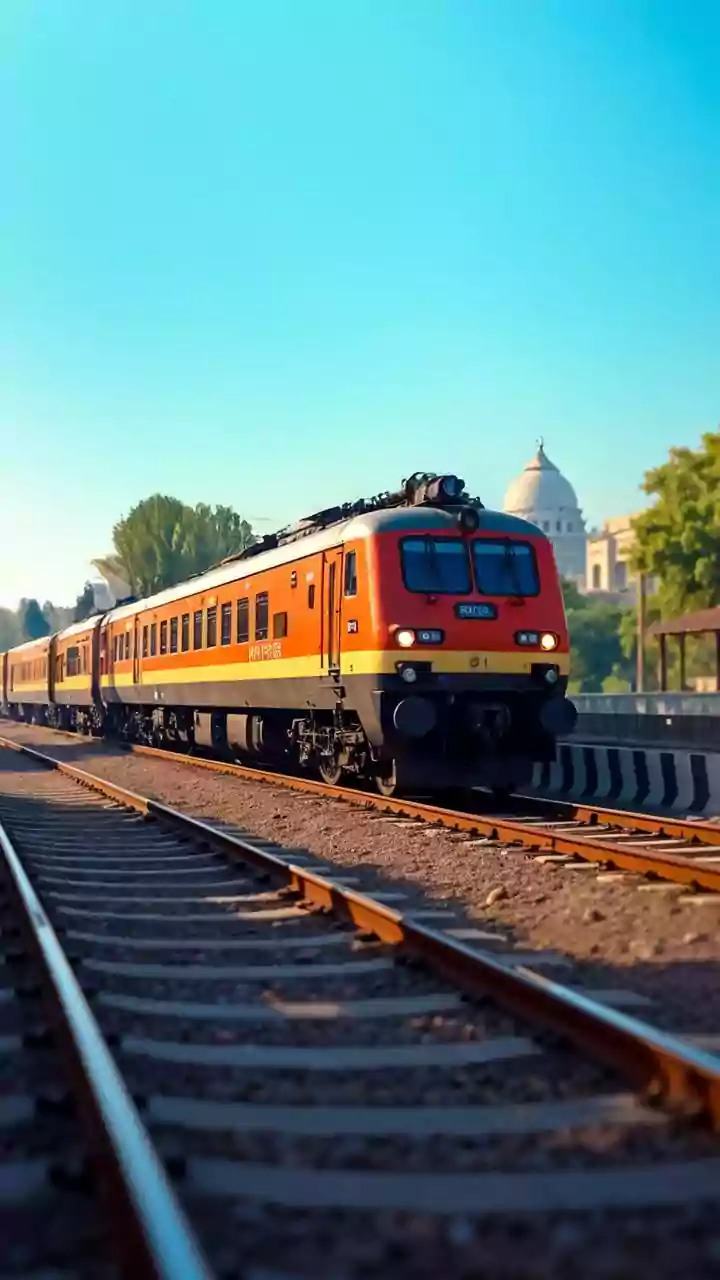
The familiar rumble of overnight trains is getting a significant upgrade. After the success of the chair-car Vande Bharat Express, Indian Railways has rolled out its highly anticipated sleeper version, designed specifically for long-distance routes. The first
prototype, manufactured by BEML in Bengaluru, was unveiled in September 2024, with commercial services beginning in early 2026. These self-propelled trainsets are built to run at a maximum operational speed of 160 km/h, promising not just a more comfortable journey, but a faster one too. The initial services have already begun, connecting key corridors like Guwahati to Kolkata and Varanasi to Amritsar, marking a new chapter in India's railway modernization.
Redefining Comfort and Design
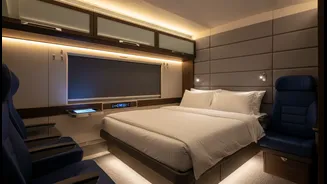
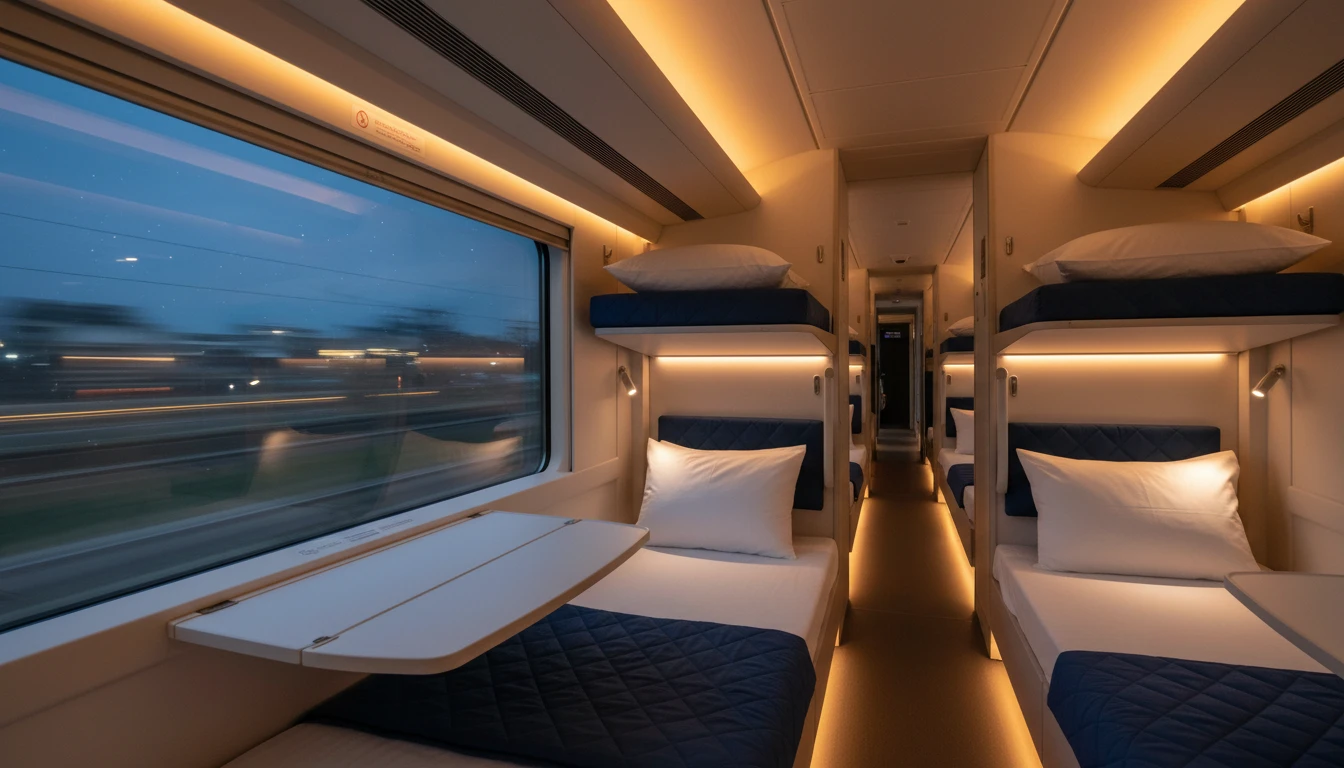
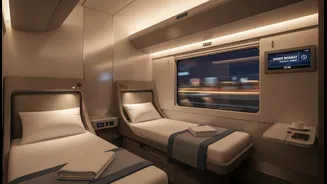
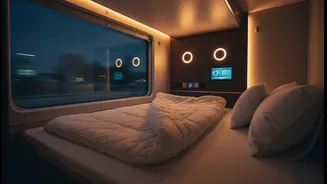
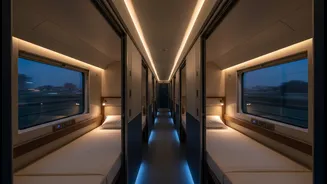
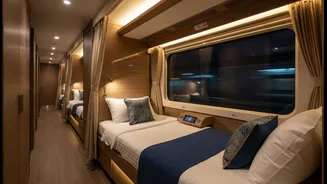
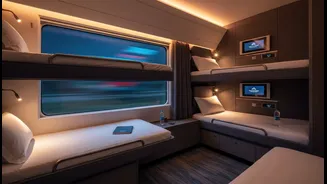
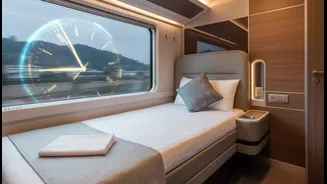
The phrase "hotel-like comfort" isn't just a marketing slogan; it reflects a fundamental redesign of the passenger experience. The berths are wider, better cushioned, and ergonomically designed for better sleep. Ambient lighting with integrated reading lights and individual USB charging ports for every passenger address modern travel needs. The interiors are also noticeably quieter, thanks to improved soundproofing and smoother couplings that reduce jerks. For the first time on a regular service train, First AC passengers will have access to a hot shower facility. The attention to detail extends to sensor-based lighting and automatic doors that create a quieter, climate-controlled environment.
Advanced Hygiene and Smart Amenities
One of the most significant upgrades is in the onboard sanitation. The trains feature bio-vacuum toilets similar to those in aircraft, equipped with touchless, sensor-based water taps and soap dispensers to improve hygiene. These systems are designed to be odour-free, addressing a common pain point in long-distance train travel. Movement between coaches is made seamless by automatic sliding doors. Luggage management has also been rethought, with dedicated spaces for large suitcases near the entrances and ample overhead and under-berth storage, keeping the cabin aisles clear and uncluttered. A modular pantry system is in place to serve meals, which are included in the fare.
Safety and Accessibility First
Beyond comfort, safety is a cornerstone of the Vande Bharat sleeper's design. Each train is equipped with the indigenous Kavach automatic train protection system, designed to prevent collisions. The coaches are built with crash-worthy stainless steel and adhere to high international fire safety standards. CCTV surveillance is present in all coaches, and an emergency talk-back system allows passengers to communicate directly with the crew. The train is also designed to be inclusive, with specially designed spaces and larger toilets for Divyangjan (passengers with disabilities), ensuring a more accessible journey for everyone.
Routes, Rollout, and the Road Ahead
The first Vande Bharat sleeper service was launched in January 2026, connecting Kamakhya (Guwahati) and Howrah (Kolkata). This was followed by a second service launched in July 2026 between Varanasi and Chheharta (Amritsar), named the Sant Ravidas Express. A standard train has 16 coaches, accommodating 823 passengers across AC First, AC 2-Tier, and AC 3-Tier classes. With two prototypes already operational and more on the way, Indian Railways plans to roll out more of these trains across its long-distance network. The goal is to replace the premium Rajdhani Express services on key routes, offering a faster, more modern alternative for millions of travellers.