



NASA's Grand Lunar Ambition
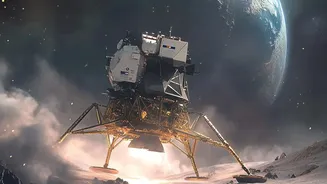
Forget the “flags and footprints” of the Apollo era. NASA’s Artemis program is about creating a sustainable human presence on the Moon, specifically near the resource-rich South Pole. This isn't just a campsite; it's the foundation for humanity's first
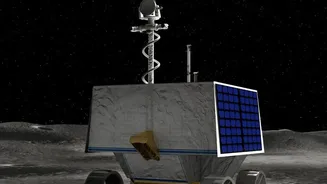
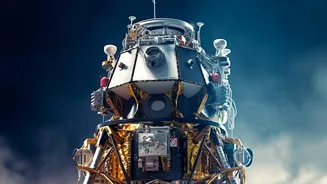
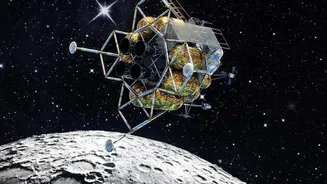
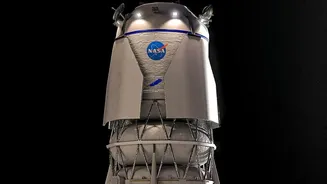
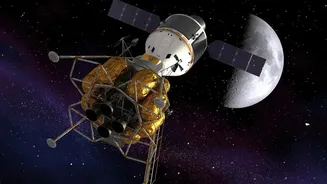
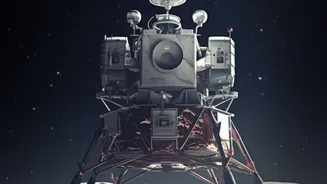
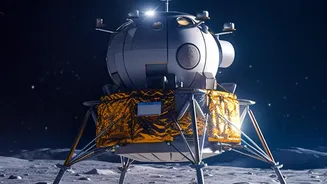
off-world outpost. The plan, known as the Artemis Base Camp, involves a lunar habitat, rovers for exploration, and systems for power and communication. Think of it as a research station in Antarctica, but with lower gravity and much grander ambitions. The goal is to learn how to live and work on another world, creating a crucial stepping stone for future missions to Mars. To make this multi-decade, multi-billion dollar vision a reality, NASA isn’t going it alone; it’s building a global coalition.
Enter ISRO: India's Space Powerhouse
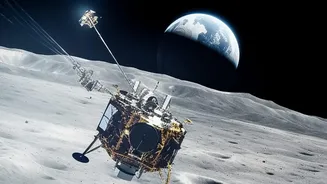
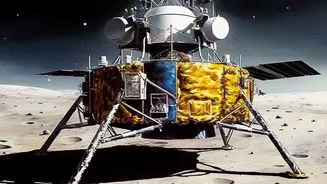
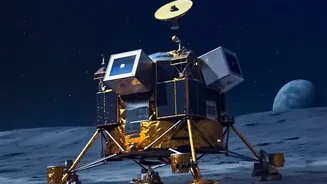
The Indian Space Research Organisation (ISRO) isn't just a newcomer; it's a proven power in lunar exploration. In 2023, its Chandrayaan-3 mission made India the first and only nation to achieve a soft landing in the challenging lunar south pole region. This wasn't just a technical achievement; it was a demonstration of world-class expertise in robotics, navigation, and, crucially, cost-effective engineering. ISRO has a well-earned reputation for “frugal innovation,” achieving major space milestones at a fraction of the cost of other leading agencies. With ambitious plans that include a joint lunar polar exploration mission with Japan (LUPEX) and its own crewed mission to the Moon by 2040, ISRO is a serious player with long-term lunar goals that align with NASA's vision.
The Diplomatic Handshake: The Artemis Accords
The foundation for this collaboration was laid when India signed the Artemis Accords in 2023. These U.S.-led principles establish a framework for peaceful, transparent, and cooperative space exploration. By signing, India joined a growing international consensus on the “rules of the road” for operating on the Moon, covering everything from data sharing to the deconfliction of activities. Following this, NASA officially invited ISRO to participate in the Moon Base program in August 2026, during a joint working group meeting in Bengaluru, India. This invitation transforms a general agreement into a concrete opportunity for partnership on a specific, history-making project.
The Perfect Fit: How India Could Contribute
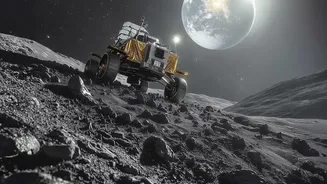
So, where does ISRO specifically fit in? The possibilities are numerous. Given its success with the Pragyan rover, ISRO could contribute advanced robotic systems for surface exploration, resource mapping, or construction support. Its experience in the lunar south pole makes it an invaluable partner for scientific missions to study the very resources, like water ice, that a base would depend on. Furthermore, ISRO could develop and provide specific scientific payloads, communication systems, or even components for the habitat itself, leveraging its cost-effective approach to help manage the program's overall budget. This isn’t about a junior partnership; it's about integrating ISRO's unique and proven strengths into the larger Artemis architecture.
A Strategic Alliance for a New Space Age
This collaboration is about more than just science and engineering; it's geopolitics. As the U.S. and its allies build a cooperative framework for lunar exploration, China and Russia are pursuing their own plans for an International Lunar Research Station, also at the south pole. The NASA-ISRO partnership strengthens the strategic alliance between the world's two largest democracies in a critical and emerging domain. For the U.S., it brings a capable and ambitious partner into the fold, sharing the immense costs and challenges of deep-space exploration. For India, it provides access to cutting-edge technologies and a seat at the table in defining humanity's future in space.