



For Your Mind: A Green Escape
In the constant rush of city life, a garden can be a sanctuary. The practice of caring for plants, known as therapeutic horticulture, is a powerful tool for mental wellness. Research has shown that spending time in green spaces can lower levels of cortisol,
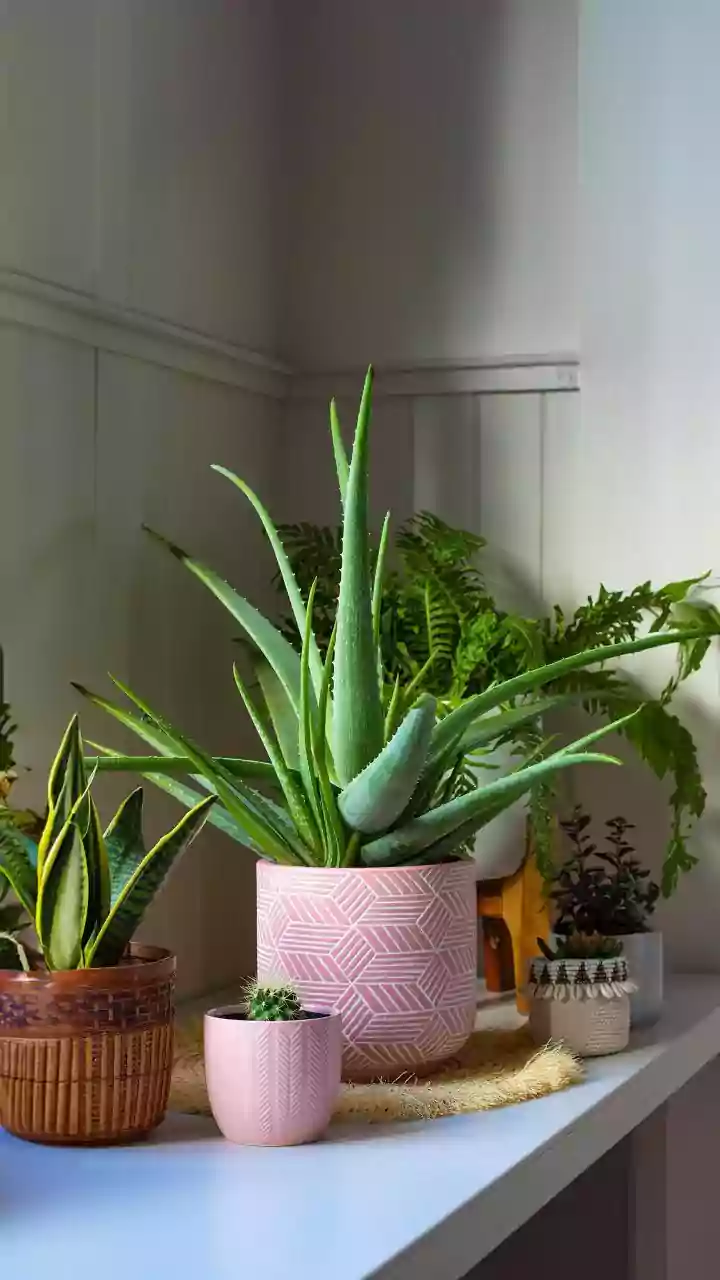
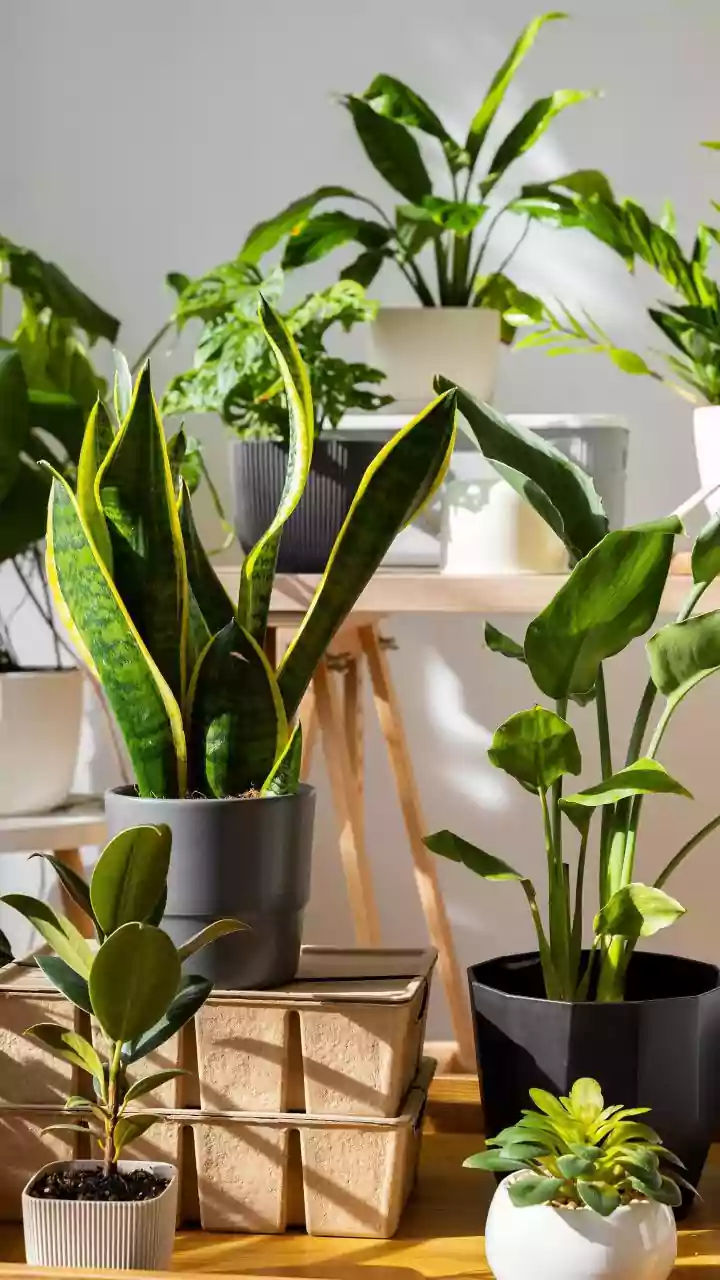
the body's stress hormone. The simple, repetitive tasks of watering, pruning, and checking for new growth are meditative, pulling your focus into the present moment and away from anxious thoughts. Engaging your senses—the smell of fresh mint, the feel of soil, the sight of a blooming flower—helps ground you. You don't need an elaborate setup; a few pots of herbs on a windowsill or a single flowering plant can provide a daily dose of calm and give you a structured, nurturing routine that fosters a sense of accomplishment.
For Your Plate: The Joy of Eating Local
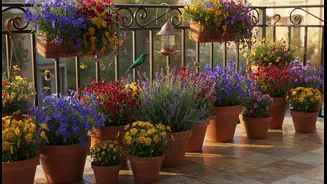
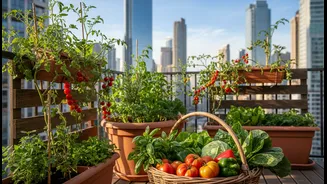
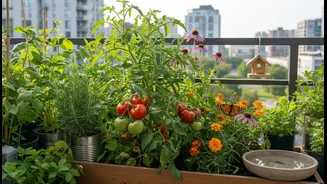
There is a unique satisfaction that comes from harvesting your own food, no matter how small the crop. Growing your own produce, even on a balcony, gives you direct access to fresh, organic ingredients. Herbs are a fantastic starting point for urban gardeners in India; pots of coriander, mint, tulsi, and curry leaves are relatively easy to maintain and incredibly useful in the kitchen. Fast-growing vegetables like spinach, fenugreek (methi), and radishes can also thrive in containers, offering quick rewards. Beyond the flavour and nutrition, growing your own food fosters a deeper connection to what you eat and can even help reduce grocery bills and your carbon footprint. To get started, all you need is a sunny spot, good quality potting mix, and the right-sized containers for your chosen plants.
For Your Community: Planting Connections
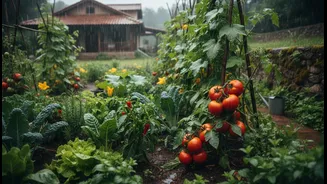
A garden can grow more than just plants—it can cultivate community. If you lack personal space, joining or starting a community garden is a wonderful way to get your hands dirty while connecting with neighbours. Across Indian cities, residents are transforming underused plots and rooftops into shared green spaces. These projects bring people of all ages together, creating opportunities to share knowledge, learn new skills, and foster a sense of collective ownership. Working alongside others towards a common goal can reduce feelings of isolation and build strong local bonds. These gardens often become hubs for social interaction and environmental stewardship, proving that green spaces are vital for the health of a community, not just the individuals within it.
For The Planet: A Balcony-Sized Biosphere
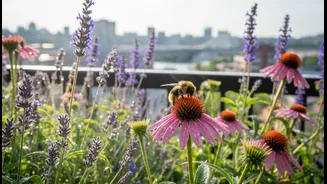
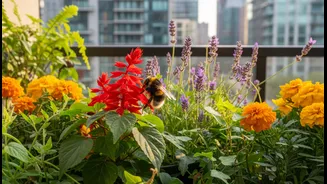
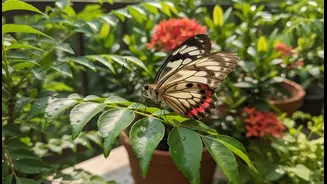
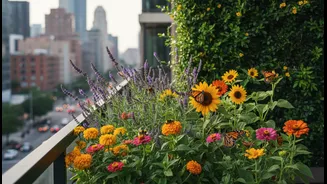
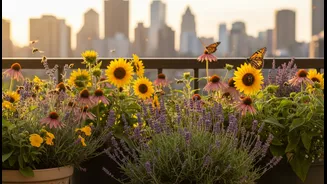
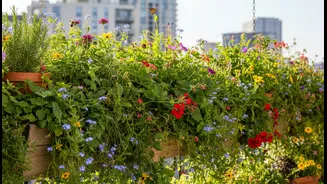
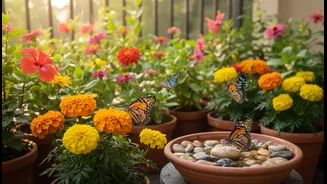
Even the smallest city garden can make a positive environmental impact by creating a microhabitat for local wildlife. Planting a pollinator-friendly garden provides essential food and shelter for bees, butterflies, and birds, which are crucial for a healthy ecosystem. Choose a variety of native flowering plants that bloom throughout the seasons to attract a diverse range of pollinators. Compact, native options like marigolds, asters, and salvia can thrive in containers on a balcony or terrace. Adding a small, shallow dish of water with pebbles for insects to land on can make your space even more inviting. By creating these stepping-stone habitats, urban gardeners help support biodiversity and contribute to a greener, more resilient city, one pot at a time.