




The Next Step Beyond BS-VI
India took a significant leap in 2020 by moving directly from BS-IV to BS-VI emission standards, aligning the country with global benchmarks and requiring cleaner fuel and vehicle technology. The proposed BS-VII norms represent the next evolutionary step.
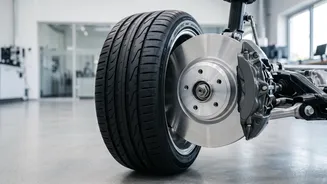
Unlike the previous transition, which focused heavily on tailpipe emissions, BS-VII expands the definition of vehicular pollution. The draft rules, which are aligned with Europe's Euro 7 standards, include regulations for particles released from brakes and tyres, mandate minimum durability for electric vehicle batteries, and require more stringent real-world emissions testing. This holistic approach aims to address a wider range of pollutants and ensure vehicles remain compliant throughout their operational life, not just when they roll out of the showroom.
Why the April 2029 Timeline Is Crucial
The proposed start date of April 1, 2029, for newly manufactured passenger cars and SUVs is the first step in a phased rollout. Light commercial vehicles are slated to follow in 2030, with heavy-duty trucks and buses coming under the new norms from April 2031. This staggered timeline is a critical point of discussion. For regulators and environmental advocates, it marks a determined push towards cleaner air in India's cities. For the auto industry, however, the timeline is ambitious. Manufacturers have voiced concerns, arguing that the nine-year gap since the BS-VI implementation provides limited time for the significant research, development, and testing required to meet the new, more complex standards.
A Major Challenge for Automakers
Meeting the proposed BS-VII standards is a major engineering and financial hurdle for carmakers. The new rules demand more than just tweaking existing engines; they require sophisticated on-board monitoring systems to continuously track emissions and fuel consumption in real time. Car companies will have to invest heavily in R&D to develop advanced exhaust treatment systems and redesign components to limit brake and tyre wear emissions. The Society of Indian Automobile Manufacturers (SIAM) has raised concerns that this could divert resources from the ongoing development of electric vehicles and potentially affect future product launch plans. Some in the industry have even suggested a later start date, pushing for a two-stage implementation beginning in 2032.
What It Means for Car Buyers and the Environment
For the consumer, the transition to BS-VII will likely be a mixed bag. The advanced technology required to meet these stringent norms will almost certainly lead to an increase in vehicle prices. The complexity of the new systems, with advanced sensors and diagnostic tools, could also mean higher repair and maintenance costs over the vehicle's lifespan. However, the benefits are significant. BS-VII vehicles will be more environmentally friendly, not just by emitting fewer tailpipe pollutants but also by addressing non-exhaust sources like brake dust. The new rules also introduce an 'Environmental Vehicle Passport', providing buyers with clear data on a car's emissions, fuel economy, and battery health, empowering more informed purchasing decisions. Ultimately, the goal is a tangible improvement in public health through better air quality, as the norms target tiny pollutants linked to respiratory and cardiovascular diseases.