




The Power of Plant Protein
For active individuals, protein is non-negotiable. It’s essential for repairing the microscopic muscle tears that occur during exercise, which is how muscles grow stronger. While animal products are often seen as the default source, plant-based proteins
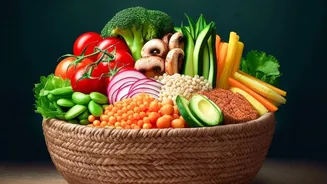
are formidable contenders. Many plant foods are packed not only with protein but also with fibre, vitamins, and antioxidants that can enhance recovery. A common misconception is that all plant proteins are 'incomplete'. A complete protein contains all nine essential amino acids our bodies cannot produce on their own. While some plant sources are low in one or two, a varied diet featuring sources like soy and quinoa, or combinations like rice and beans, easily provides everything you need.
Tofu: The Versatile Muscle-Builder
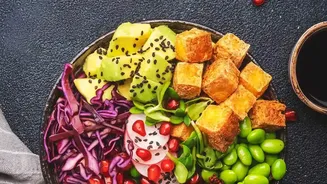
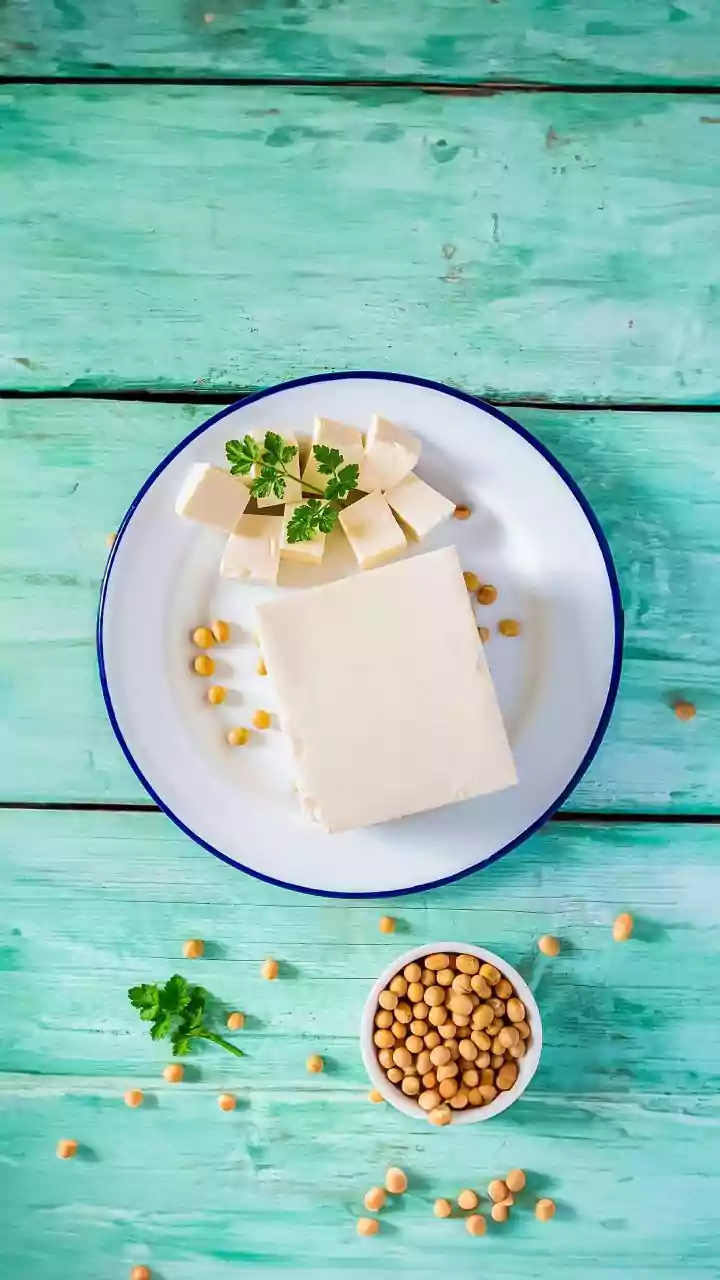
Tofu, made from condensed soy milk, is a powerhouse of nutrition for anyone with an active lifestyle. As a complete protein, it delivers all nine essential amino acids required for muscle repair and growth. A 100-gram serving packs around 8 grams of protein at a low calorie count, making it excellent for building lean muscle without excess fat. Tofu is also rich in iron and magnesium, which are vital for energy production and proper muscle function. Research shows that soy protein can stimulate muscle protein synthesis at a rate comparable to some animal proteins, making it an effective post-workout recovery food. Its phytonutrients may also help reduce exercise-induced inflammation and muscle soreness. Best of all, its neutral flavour allows it to absorb any marinade or seasoning, making it incredibly versatile for meal prepping.
Edamame: The Nutrient-Packed Powerhouse
Edamame, which are immature soybeans, are another fantastic complete protein. A single cup offers a substantial 18 grams of protein alongside complex carbohydrates, making it an ideal snack for replenishing energy stores (glycogen) that get depleted during a workout. This combination of protein and carbs is crucial for effective recovery. Beyond protein, edamame is loaded with fibre, which promotes satiety and stable energy levels. They are also a great source of antioxidants, which can help reduce inflammation and speed up recovery time, getting you ready for your next session faster. Convenient and delicious, edamame can be steamed, roasted, or eaten straight from the pod.
Lentils: The Enduring Energy Source
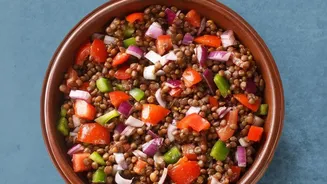
Lentils are a staple in plant-based diets for good reason. One cooked cup provides about 18 grams of protein and is packed with slow-digesting carbohydrates and fibre. This combination ensures a sustained release of energy, preventing performance slumps during long workouts. While not a complete protein on their own, lentils are high in the amino acid lysine; pairing them with a whole grain like rice or quinoa creates a complete amino amino acid profile. Lentils are also an excellent source of iron, a mineral critical for transporting oxygen to your muscles and maintaining high energy levels. For better iron absorption, it's helpful to consume lentils with a source of vitamin C, such as bell peppers or a squeeze of lemon juice.
Simple Prepping for a Stronger Week
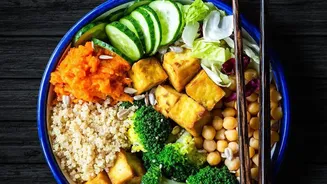
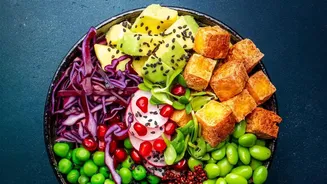
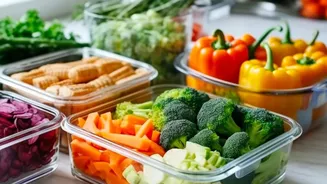
Meal prepping with these three ingredients is simple and efficient. For tofu, press a block to remove excess water, cube it, and bake or air-fry it with your favourite spices. It can then be easily added to salads, stir-fries, or grain bowls throughout the week. Lentils can be cooked in a large batch and stored in the fridge. Use them as a base for hearty salads, mix them into a bolognese-style sauce, or form them into patties for plant-based burgers. Keep bags of frozen edamame on hand; they can be steamed in minutes for a quick, protein-rich snack or added to meals for a nutritional boost.