






A New Path Through Paradise
In early August 2026, the Andaman & Nicobar Administration launched a new 'Rainforest Birding Trail' at the Biological Park in Chidiyatapu, South Andaman. This guided walk is not just another tourist activity; it's a deliberate step towards sustainable
eco-tourism. Organized by the Directorate of Tourism in collaboration with the Department of Environment and Forests, the initiative drew an enthusiastic crowd of nature lovers, students, and tour operators. The goal is to showcase the islands' incredible avian diversity while instilling a deep sense of respect for the fragile ecosystem. By focusing on small, guided groups, the program ensures that the natural habitat remains undisturbed, offering a powerful model for how tourism can coexist with conservation.
The Art of Treading Lightly
The core of the Rainforest Birding Trail is its emphasis on low-impact etiquette. This isn't just a suggestion; it's the guiding principle of the experience. Participants are led by experts who teach them about the importance of habitat conservation. The rules are simple but effective: move quietly, stay on marked paths to avoid damaging delicate vegetation, and never use flash photography, which can startle and disorient birds. The focus is on observation without interference. Visitors learn to use binoculars for close-up views, fostering a sense of patience and respect. This approach ensures that the birds, including rare and endemic species, can go about their lives undisturbed, providing a more authentic and meaningful wildlife encounter for visitors.
Feathered Treasures of the Forest
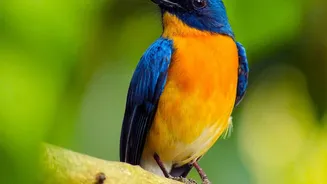
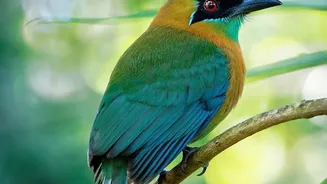
The reward for this mindful approach is an unparalleled glimpse into a world of avian wonders. The Andaman archipelago is home to over 270 bird species, with many found nowhere else on Earth. The forests of South Andaman, particularly around Chidiyatapu and Mount Harriet National Park, are hotspots for these endemic treasures. Birders on the trail can hope to spot the majestic Andaman Serpent-eagle soaring overhead, the vibrant Andaman Woodpecker tapping on tree trunks, or the charismatic Andaman Drongo with its distinct forked tail. Other notable residents include the Andaman Cuckoo-Dove, the White-headed Starling, and a variety of secretive owls that emerge at dusk. Each sighting is a reminder of the unique biodiversity that responsible tourism helps to protect.
A Blueprint for Future Tourism
This birding trail is more than just a single event; it's a reflection of a broader vision for the Andaman Islands. The local administration is actively working to develop 'carrying capacity based eco-tourism', ensuring that the number and type of tourist activities do not overwhelm the environment. Initiatives like this, which promote green jobs and educate visitors, are central to this strategy. By creating engaging, low-impact experiences, the islands can attract discerning travellers who are invested in conservation. It sets a precedent, proving that economic growth through tourism doesn't have to come at the cost of ecological integrity. This trail serves as a blueprint for future projects, from luxury eco-resorts to other nature-based activities, all designed with sustainability at their core.