



Forget your usual takeout order. Adding pineapple to fried rice creates a perfect balance of sweet and savoury that transforms a simple staple into a vibrant, tropical-inspired meal that is surprisingly easy to master right in your own kitchen.
The Magic of Sweet and Savoury
The idea
of fruit in a savoury rice dish might sound unusual, but it's a classic combination in Thai cuisine, known as Khao Pad Sapparot. The magic lies in the balance. The natural sweetness and acidity of pineapple cut through the rich, salty, and umami flavours of the soy sauce-based dressing, creating a dish that is complex and refreshing. The pineapple doesn't just add sweetness; its juices caramelise slightly in the high heat of the wok, infusing every grain of rice with a subtle tropical flavour that complements the other ingredients. When done right, it’s not just a garnish but an integral component that elevates the entire meal from standard fried rice to something truly memorable.
Essential Ingredients for Success
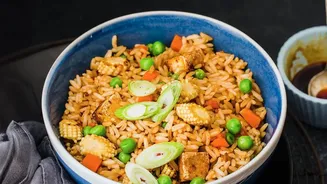
The foundation of any great fried rice is, of course, the rice. For the best texture, always use day-old, cold-cooked rice. Freshly cooked rice is too moist and will result in a sticky, clumpy mess. Jasmine rice is a popular choice for its fragrance, but any long-grain white rice works well. For the star ingredient, fresh pineapple is preferred for its vibrant flavour, but good-quality canned pineapple chunks, drained well, are a perfectly acceptable substitute. To make it a satisfying vegetarian meal, consider adding cubed firm tofu or roasted cashews for protein and crunch. Finally, a colourful mix of vegetables like diced bell peppers, carrots, and peas adds texture and nutrition.
Mastering the Stir-Fry Technique
Successful stir-frying is all about preparation and high heat. Have all your ingredients chopped and ready to go before you even turn on the stove, as the cooking process is very fast. Use a large wok or a heavy-bottomed skillet to ensure there's enough space to toss the ingredients without them steaming. Start by heating your oil over high heat and frying your aromatics, like garlic and onion, until fragrant. Next, add your firmer vegetables like carrots and bell peppers, followed by the rice. Use your spatula to gently break up any clumps. The sauce goes in next, tossed quickly to coat every grain. The pineapple and any delicate additions like peas or green onions should be added last, stirred just long enough to warm through so the pineapple retains some of its juicy texture.
Perfecting the Flavour Profile
The sauce is what ties everything together. A vegetarian-friendly sauce can be built on a base of soy sauce for saltiness and umami. Many traditional recipes use a combination of fish sauce and oyster sauce, but for a vegetarian version, soy sauce is the perfect substitute. To balance the pineapple's sweetness, you might not need much added sugar, if any at all. A touch of rice vinegar or a squeeze of fresh lime juice at the end can brighten the flavours and add another layer of tang. Some recipes also call for a pinch of curry powder, which adds a warm, aromatic spice that pairs beautifully with pineapple. The key is to taste and adjust as you go to achieve your preferred balance of sweet, salty, and sour.
Serving and Customising Your Dish
For a showstoppping presentation, you can serve the fried rice inside a hollowedout pineapple half. It’s an impressive trick for a dinner party that is surprisingly easy to do. Simply slice a pineapple lengthwise, carve out the flesh, and you have two natural bowls ready to be filled. But for a quick weeknight dinner, a simple bowl will do. Garnish with fresh cilantro, sliced green onions, and a handful of roasted cashews for extra crunch. Don't be afraid to customise this dish. Add some panfried tofu for extra protein, toss in raisins for another burst of sweetness, or add a dash of sriracha or fresh chilli for a spicy kick.