





A Major Overhaul on the Rails
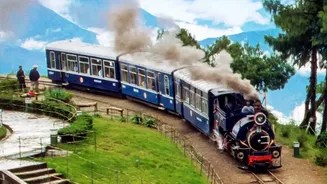
Indian Railways, the backbone of festival travel, is preparing for the 2026 rush with a two-pronged strategy: increasing capacity and enhancing passenger experience. A core element is the continued expansion of the Vande Bharat Express network, which
aims to improve connectivity and significantly reduce travel time between major cities. By 2026, more routes will feature these semi-high-speed trains, including new sleeper variants designed for popular overnight journeys. Beyond these premium services, the Railways has already begun announcing thousands of 'Festival Special' trains to handle the surge in demand for destinations in Uttar Pradesh, Bihar, West Bengal, and other states during periods like Diwali and Durga Puja. These special services, some of which are being scheduled in a continuous 90-day window to provide more predictable planning, are crucial for absorbing the immense pressure on the network. This proactive scheduling is intended to reduce the last-minute scramble for tickets that defines festive travel for many.
More Options in the Air
Air travel is also set for a significant capacity boost. The government's 'Modified UDAN' scheme, approved in March 2026, is a key driver of this change. The program aims to develop 100 new airports from existing airstrips over the next decade, strengthening connectivity to smaller towns and remote regions. For festival travellers, this means more direct flight options to their hometowns, potentially bypassing congested metropolitan hubs. This initiative, which begins in the 2026-27 financial year, will also see the development of 200 modern helipads, further improving last-mile connectivity in hilly and remote areas. In parallel, major new airports that have recently become operational, like the Alluri Sitarama Raju International Airport at Bhogapuram which opened in August 2026, will help distribute air traffic more evenly. These developments, combined with ongoing expansions at existing metro airports, are designed to give passengers more choice and flexibility.
Smoother Journeys on the Road
For those who prefer to drive, India's rapidly expanding network of expressways and national highways is making road trips a faster and more reliable option. The National Highways Authority of India (NHAI) is working to complete thousands of kilometres of new highways by the end of 2026. Key projects include the Delhi-Mumbai Expressway, which is expected to cut travel time between the two metros by half, and other vital economic corridors connecting major industrial and cultural centres. These modern, access-controlled highways are designed to ease the chronic congestion that plagues older routes, especially during peak travel seasons. The government's continued investment under programs like Bharatmala Pariyojana is focused on enhancing connectivity to over 550 districts, ensuring that even journeys to smaller towns are smoother and more predictable. This sustained push means that by late 2026, many inter-state journeys will be significantly quicker than they were just a few years ago.
Smarter Cities, Better Management
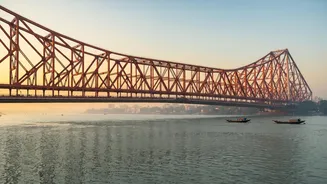
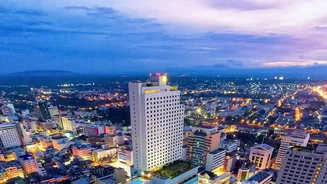
Beyond the national networks, individual cities are also refining their strategies for managing the influx of festival visitors. Municipal authorities in major festival hubs like Kolkata for Durga Puja and cities across the north for Diwali are increasingly relying on technology for crowd and traffic management. This includes extending metro services, deploying additional public transport, and using digital platforms to provide real-time updates on traffic flow and public transit availability. While the core experience of navigating crowded city streets during a major festival will remain a part of the celebration, these logistical improvements aim to reduce friction and improve safety. For travellers, this translates to more reliable local transport options and better information to plan their movements within the city, whether they are visiting family or exploring cultural celebrations.