




From Souvenirs to Stories
For decades, the mark of a successful trip was a checklist of sights. You hadn’t truly been to Paris without a photo of the Eiffel Tower. This was the era of destination bragging, where the primary goal was to prove you were there. Today, a new travel
currency is emerging: the authentic experience. Research shows that modern travellers are increasingly prioritising experiences over material possessions, finding more long-term happiness in memories and personal growth. This pivot towards experiential travel has found its most delicious expression in food. More than three-quarters of travellers now say that a destination's cuisine is a primary factor in their decision-making. It’s a move away from passive sightseeing toward active participation.
What Is Culinary Tourism?
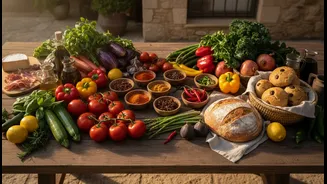
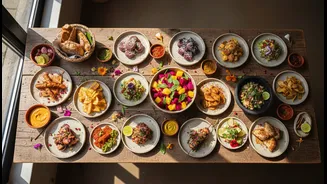
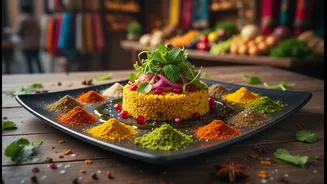
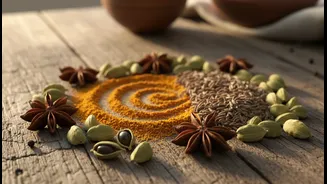
Food tourism, or culinary tourism, is about travelling to experience a place through its unique food and drink. It’s far more than just visiting fancy restaurants. It involves actively engaging with a region's culinary heritage. Think of hands-on pasta-making classes in Tuscany, joining a chef to shop for ingredients at a local market in France, taking a street food tour through the winding lanes of Old Delhi, or visiting a spice plantation in Kerala. The World Food Travel Association defines it as travelling for a “taste of place in order to get a sense of place.” This approach turns a meal into a story, connecting travellers to the local culture, history, and people in a deeply personal way. It's about understanding why people eat what they eat, and in doing so, understanding the soul of the destination.
The Social Media Effect
While it may seem counterintuitive, the rise of visual social media platforms like Instagram has fuelled the hunger for authenticity. The ultimate post is no longer just the iconic landmark shot; it’s the picture of a unique, hard-to-find dish that tells a story of cultural immersion. Food influencers and user-generated content have become powerful tools for travel discovery, often guiding travellers to hidden gems and local favourites that guidebooks might miss. This digital word-of-mouth has made travellers more adventurous, eager to document and share their culinary journeys. The fear of missing out on a viral food experience can be a powerful motivator, driving trends and bookings. In essence, social media has shifted the focus from proving you were there to sharing what you did—and ate.
India's Gastronomic Playground
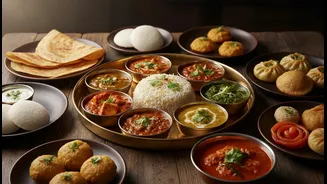
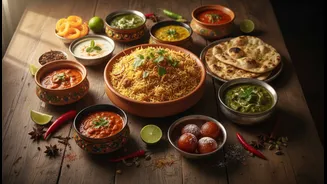
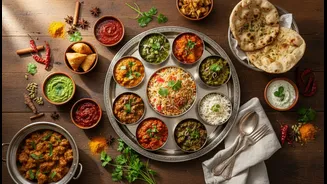
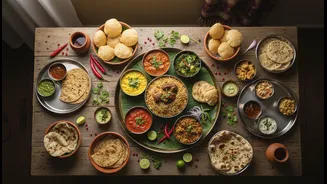
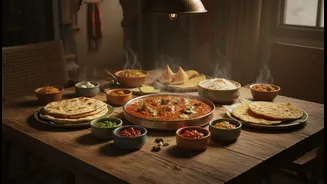
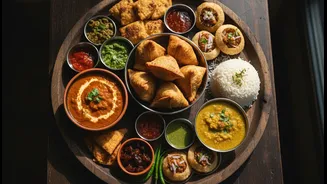
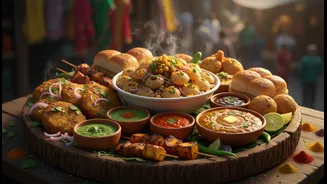
With its incredible diversity, India is a prime destination for the culinary traveller. Each state offers a unique gastronomic journey rooted in centuries of history and culture. Food tours in cities like Delhi, Jaipur, and Amritsar allow visitors to navigate the vibrant street food scenes with confidence, sampling everything from spicy chaat to buttery kulchas. In the south, travellers can explore Kerala’s spice-laden seafood cuisine or take part in preparing a traditional Sadhya feast. In Rajasthan, one might learn the secrets of royal dishes like laal maas, while a trip to Hyderabad is a pilgrimage for biryani lovers. These experiences go beyond the plate, offering a direct connection to local traditions and the people who uphold them, making food a gateway to understanding the country’s rich cultural tapestry.
A More Meaningful Way to Travel
Ultimately, the rise of food tourism reflects a desire for more meaningful and sustainable travel. By seeking out local producers, markets, and family-run eateries, travellers contribute directly to local economies and help preserve culinary heritage. This form of travel fosters genuine connections between visitors and hosts, breaking down cultural barriers one meal at a time. It acknowledges that the flavour of a place is inseparable from its identity. Choosing an experience over a simple destination photo is about more than just a good meal; it's about collecting memories instead of just ticking boxes. It’s a richer, more engaging way to see the world, where the journey itself becomes the destination.