




The Science of a Living Umbrella
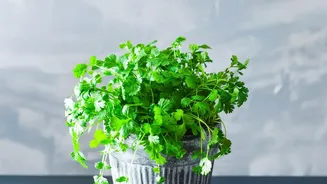
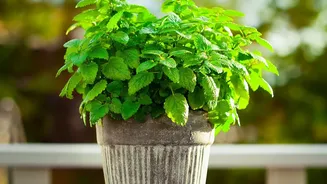
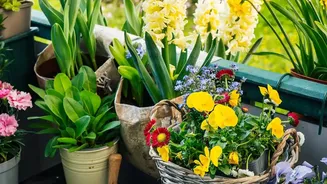
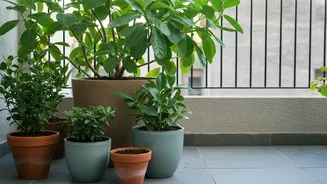
The core principle is surprisingly simple: a dense canopy of leaves acts like a living mulch. When plants are grown close together, their leaves overlap and create a shield over the soil surface. This leafy umbrella blocks direct sunlight from hitting
the soil, which is a major cause of moisture evaporation. Furthermore, it shelters the soil from drying winds. Think of it as creating a more humid, stable microclimate right at the base of your plants. In contrast, bare soil between widely spaced plants gets baked by the sun, heats up quickly, and loses water at a much faster rate. Gardeners who use this technique report that the soil can remain damp for days longer after watering, significantly reducing the daily chore of irrigation.
The Clear Benefits for Balcony Gardeners
The most obvious benefit is water conservation. For busy urban dwellers, not having to water every single day, especially during peak summer, is a huge advantage. Plants in densely planted containers experience less water stress, leading to healthier, more vigorous growth. A stable, cooler soil temperature also promotes better root development. Another advantage is natural weed suppression. The same shade that keeps the soil moist also prevents weed seeds from getting the light they need to germinate, meaning less time spent on tedious weeding. This allows your desired plants to receive all the available water and nutrients without unwanted competition.
A Word of Caution: The Risks of Overcrowding
While beneficial, this method is not without its potential downsides. Packing plants too tightly can significantly reduce air circulation around the lower stems and leaves. This trapped humidity, while good for the soil, can create the perfect breeding ground for fungal diseases like powdery mildew and root rot. Overcrowded conditions can also make your plants more susceptible to pests. Aphids, spider mites, and other unwanted guests love the sheltered, humid environment where they can hide from predators and spread easily from one plant to another. Finally, plants in a crowded pot are all competing for the same finite resources—water and nutrients in the soil. Without careful management, this can lead to nutrient deficiencies and stunted growth for some of the less aggressive plants.
Finding the Sweet Spot: Smart Crowding
The key is not just to crowd plants, but to do so smartly. Choose your plant combinations wisely. Pair taller, upright plants with lower, spreading ones that can act as a groundcover. This tiered approach ensures all plants get adequate light. It’s also important to practice selective pruning. Thin out some of the lower leaves or inner branches to improve airflow without sacrificing the overhead canopy. When you water, aim for the base of the plants to keep the foliage as dry as possible, further discouraging fungal issues. Keep a close eye on your pots; regular inspection will help you catch any pest or disease problems early before they can take hold and spread throughout your mini-jungle.
Complementary Tips for Moisture Retention
Using crowded leaves as a living mulch is just one tool in your arsenal against dry pots. You can enhance its effects by adding a layer of organic mulch on top of any exposed soil. Materials like coco peat, dried leaves, or rice husk are excellent choices available in India. These mulches provide an additional barrier against evaporation. The type of pot you use also matters. Terracotta pots are porous and dry out very quickly, while glazed ceramic or plastic pots retain moisture for much longer. If you struggle with watering, consider investing in self-watering planters, which have a built-in reservoir that provides a steady supply of moisture to the plant roots from below.