




The Urban Heat Island Problem
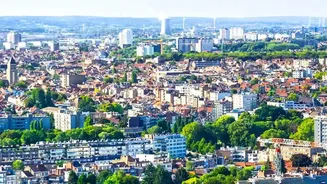
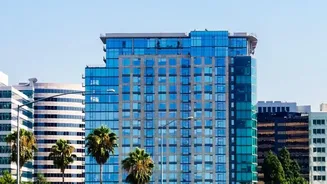
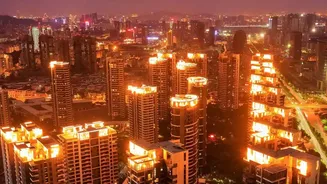
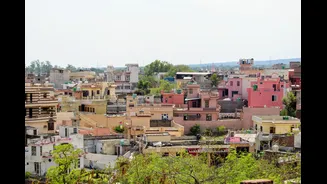
Indian cities are rapidly becoming 'heat islands', where dense concentrations of concrete, asphalt, and dark-surfaced buildings absorb and retain the sun's heat. This phenomenon can make urban areas significantly warmer than surrounding rural landscapes,
sometimes by several degrees. The lack of green spaces and water bodies, which naturally cool the environment, makes the problem worse. This isn't just about discomfort; prolonged exposure to extreme heat, especially with high nighttime temperatures that prevent our bodies from cooling down, poses serious health risks like heat exhaustion and heat stroke. As climate change leads to more frequent and intense heatwaves, tackling the urban heat island effect has become a critical priority for cities across the country.
Cool Roofs: A Simple, Powerful Solution
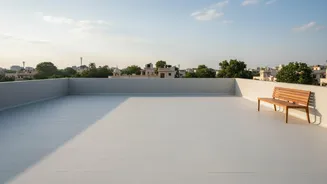
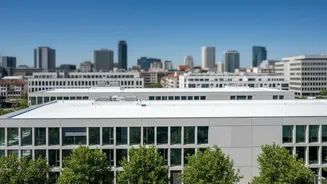
One of the most effective strategies is the adoption of 'cool roofs'. The concept is straightforward: use roofing materials that reflect more sunlight and absorb less heat. Instead of a dark roof that soaks up solar energy and radiates it into the building and the surrounding air, a cool roof uses reflective paints, special coatings, or light-coloured tiles to bounce that energy back towards space. The results are impressive. Studies have shown that cool roofs can lower indoor temperatures by several degrees, reducing the need for air conditioning by up to 40% and cutting energy bills. In a pilot program in Hyderabad, simple cool roof technology lowered indoor air temperatures by an average of 2°C. This not only saves money and reduces strain on the power grid but also improves living conditions, particularly for low-income households without access to air conditioning.
The Strategic Value of Shade
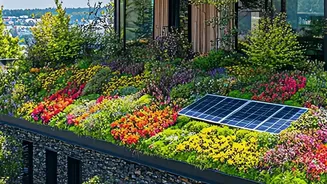
Alongside reflective surfaces, creating shade is a fundamental part of the new climate-resilient guidance. This goes far beyond simply planting more trees, though that remains a vital component. Strategic urban planning now involves designing for shade. This includes creating 'green corridors' along transport routes, ensuring pedestrian pathways are covered, and using architectural elements like awnings and pergolas in public spaces. The goal is to create an interconnected network of shade that lowers surface and ambient air temperatures. Expanding urban greenery through parks and street trees provides cooling through both shading and evapotranspiration, a process where plants release water vapour into the air. When combined, strategies like cool roofs for daytime heat and green infrastructure for nighttime cooling create a more comprehensive and resilient defence against extreme urban heat.
From Guidance to Action
This guidance is now being translated into concrete policy. States like Telangana are developing cool roof policies based on successful city-level pilots. Across the world, cities are integrating these principles into their building codes and urban planning frameworks. For example, California's energy code now includes specific requirements for the solar reflectance and thermal emittance of roofing materials for new and replacement roofs in many climate zones. This involves setting a minimum Solar Reflectance Index (SRI), a measure of a roof's ability to reject solar heat. By making these standards mandatory, cities can ensure that climate resilience is not an optional add-on but a core feature of all new construction and major renovations, protecting public investments and creating healthier urban environments for the future.