




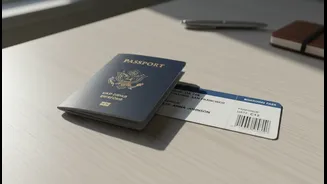


The New Rule: 30 Days Visa-Free Confirmed
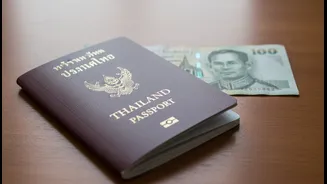
In a crucial decision for one of Southeast Asia's most popular travel destinations, the Thai cabinet confirmed on July 14, 2026, that it would grant Indian passport holders a 30-day visa-free stay. This move solidifies India's position as a key market
and provides much-needed clarity for tourists. The new policy replaces a previous temporary scheme that allowed for a 60-day stay and, more importantly, averts a feared reversion to a more complicated visa-on-arrival process. The decision also extends the same 30-day privilege to several other nations, including Croatia, Bulgaria, and Malta, as part of a broader effort to standardise visa rules for all 27 European Union member states. According to a government spokesperson, the new regulations will formally come into effect 15 days after they are published in the Royal Gazette.
A Reversal After Tourism Slump
The government's decision is a direct response to significant economic feedback. An initial proposal approved in May 2026 aimed to drastically reduce the number of countries eligible for visa-free entry, which created widespread confusion and concern among Indian travellers. The uncertainty led to an immediate and sharp impact on the tourism sector, with arrivals from India plummeting by nearly 20%, according to Thailand's Ministry of Tourism and Sports. Tourism Minister Surasak Phancharoenworakul acknowledged that the earlier announcement had caused a decline in visitors from what is Thailand's third-largest tourism market, after only China and Malaysia. Faced with this stark downturn, the government reversed course to protect a vital pillar of its tourism economy.
Why the Rules Were Changing
This policy adjustment is part of a larger overhaul of Thailand's immigration framework. The government is officially revoking the generous 60-day visa-free scheme that was available to 93 nationalities. Authorities cited concerns over national security and the misuse of the extended stay period for activities beyond tourism, such as illegal work and criminal enterprise. The stated goal is to implement a cleaner "one country, one entitlement" system, eliminating overlapping privileges where some nationalities qualified for multiple entry schemes. While tightening controls, the cabinet also recognised the need to be responsive to key economic partners. The updated framework reduces the overall number of visa-exempt countries but specifically carves out a secure place for major markets like India.
What This Means for Your Travel Plans
For the vast majority of Indian tourists, this is good news that brings stability to travel planning. While the stay has been reduced from the temporary 60-day period, the new 30-day visa-free allowance is more than sufficient for most trips. Official data shows that Indian tourists stay in Thailand for an average of just 7.2 days per visit, making the 30-day window more than adequate. The most significant benefit is the avoidance of the old visa-on-arrival system, which was more restrictive and required payment upon entry. With this new rule, entry becomes simpler and cheaper, aligning with Thailand's goal of making travel as seamless as possible for high-priority markets. Tourists planning a stay longer than 30 days will need to apply for an appropriate visa in advance.
Balancing Tourism with Tighter Controls
The policy shift reflects the government's delicate balancing act: fostering a welcoming environment for tourists while simultaneously cracking down on those who exploit its visa system. Prime Minister Anutin Charnvirakul's administration has made it a priority to curb illicit activities by foreigners misusing tourist visas. At the same time, tourism remains a primary engine of the Thai economy, and the government has an ambitious vision to establish the country as a global tourism and aviation hub. By fine-tuning its visa policies, Thailand aims to attract what it calls "high-value" tourists and ensure the long-term sustainability of its most famous industry, reassuring genuine travellers while filtering out unwelcome visitors.