



A New Chapter in Regional Connectivity
India's ambitious Regional Connectivity Scheme, UDAN (Ude Desh ka Aam Nagrik), is entering a transformative new phase. The scheme, which has already doubled the number of operational airports in the country since 2014, is now turning its focus to the nation's
vast network of rivers, lakes, and reservoirs. By leveraging these natural assets, the government aims to establish a network of seaplane routes that can connect bustling metropolitan areas with tourist destinations that were previously difficult to access. The vision is simple yet revolutionary: if you can't build a runway, use a waterway. This initiative promises to drastically cut travel times and open up new frontiers for tourism and economic growth in remote regions.
From City Skylines to Lakeside Serenity
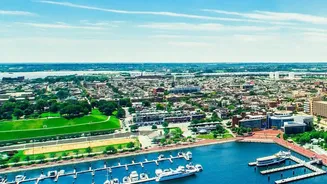
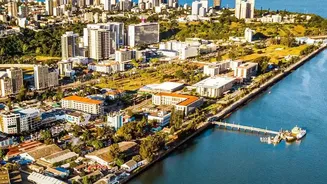
Several states are at the forefront of this new wave of aviation. In Uttarakhand, successful trials have been completed at Tehri Lake and the Ganga Barrage in Rishikesh, paving the way for a circuit that will drastically reduce travel time in the mountainous state. A road journey from Dehradun to Tehri that currently takes up to five hours could be completed in just 25 minutes by seaplane. Similar plans are advancing in other parts of the country. Andhra Pradesh has identified 10 locations for seaplane services, including connections from cities like Vijayawada and Visakhapatnam to tourist spots like Araku and Srisailam, with the first route expected by early 2027. Proposed routes also aim to connect the islands of Lakshadweep with the mainland, particularly Kochi, and link cities in the Northeast, like Guwahati, to scenic water bodies such as Umrangso Reservoir.
The Unique Appeal of Seaplane Travel
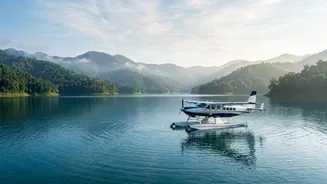
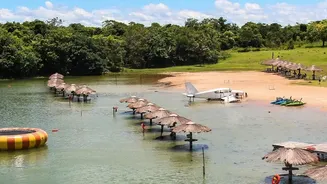
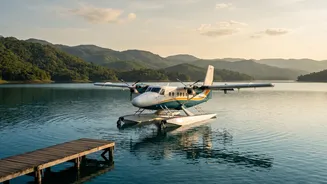
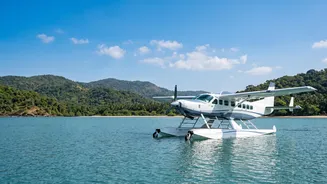
Seaplane travel offers an experience that is fundamentally different from conventional flights. These smaller, amphibious aircraft, such as the 19-seater De Havilland DHC-6 Twin Otter used in recent trials, fly at lower altitudes, offering passengers breathtaking aerial views of the landscape below. The thrill of a water landing is an adventure in itself, turning the journey into a memorable part of the vacation. This mode of transport is not just about speed; it's about providing access without the extensive footprint of traditional airport infrastructure. By using existing water bodies, the seaplane network can connect regions where building airports is impractical or environmentally challenging, making it a potentially more sustainable option for promoting eco-tourism.
Powering Local Economies and Future Growth
The introduction of seaplane services is expected to be a significant economic driver for the destinations they serve. Enhanced connectivity will likely lead to a surge in tourism, benefiting local hotels, restaurants, tour guides, and artisans. The government's Modified UDAN scheme, with a significant budgetary outlay for the next decade, provides viability gap funding to support operators and keep fares accessible, ensuring the long-term success of these routes. Leading the charge are new operators like SkyHop Aviation, India's first dedicated seaplane company, which is not only launching initial routes but also planning for the future. The company recently signed an agreement to acquire up to 15 amphibious aircraft, with an eye on eventually introducing electric and hybrid models, signaling a long-term commitment to this innovative form of transport.
Navigating the Challenges Ahead
While the promise is immense, the path to a nationwide seaplane network has its challenges. Past attempts have faced hurdles related to high operational costs and regulatory complexities. Furthermore, concerns have been raised by environmental groups and local communities about the potential ecological impact on sensitive water bodies and the livelihoods of fishing communities. Successful implementation will require careful planning, thorough environmental impact assessments, and collaboration between central and state governments, private operators, and local stakeholders. However, with simplified regulations and a strong governmental push, the current initiative appears better poised for success, aiming to finally make seaplane travel a viable and exciting reality for the Indian traveller.