





Hair extensions can be a significant beauty investment, transforming your look instantly. But their longevity and lustre depend entirely on care. Proper washing and storing methods are key to protecting that investment and ensuring they look fabulous
for as long as possible.
Preparation is Key
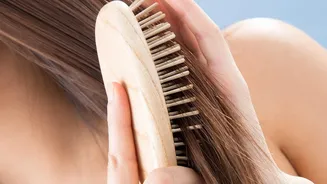
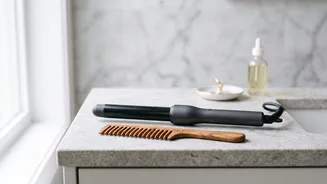
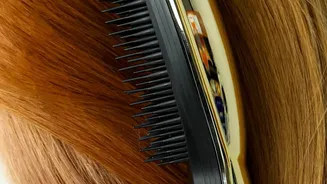
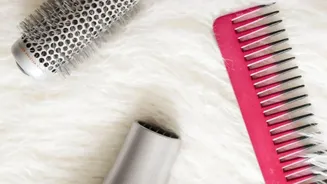
Before you even think about getting your extensions wet, a crucial first step is to thoroughly detangle them. Use a wide-tooth comb or a brush specifically designed for extensions and start from the ends, gently working your way up to the weft or bond. This prevents minor tangles from turning into major knots during the washing process. For clip-in extensions, ensure all clips are closed before you begin. Think of this step as the essential prep work that sets the stage for a successful and damage-free wash. Taking a few extra minutes here will save you a lot of frustration later.
The Gentle Washing Process
When it's time to wash, treat your extensions with a delicate touch. Whether you have human or synthetic hair, it's best to use a sulfate-free shampoo. Sulfates are harsh detergents that can strip moisture, which is especially damaging for extensions since they don't receive natural oils from your scalp. Fill a basin with lukewarm water—never hot, as high temperatures can damage the fibres or bonds. Gently submerge the extensions and work the shampoo through in a downward motion with your fingers. Avoid scrubbing or rubbing the hair together, which can cause matting. A gentle swishing motion is all you need to remove product buildup and impurities. For human hair extensions, some experts recommend shampooing twice to ensure they are perfectly clean.
Conditioning for Hydration
Conditioning is a non-negotiable step for maintaining the softness and health of your extensions. After rinsing out the shampoo, apply a moisturizing conditioner, concentrating on the mid-lengths and ends. It is critical to avoid applying conditioner near the roots or attachment points of tape-in or bonded extensions, as the oils can cause them to slip. Let the conditioner sit for at least five to ten minutes; using a deep conditioning mask can provide an extra boost of hydration. Rinsing with cool water helps to seal the hair cuticles, locking in moisture and adding shine. Make sure to rinse thoroughly, as any leftover product can weigh the hair down and make it feel greasy.
Drying Without Damage
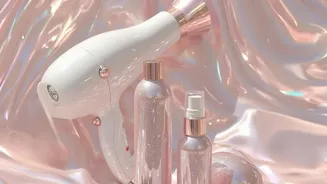
How you dry your extensions is just as important as how you wash them. The golden rule is to be gentle. After rinsing, carefully squeeze out excess water with your hands and then blot the hair with a soft, microfibre towel. Avoid wringing or rubbing the extensions, as this can lead to tangles and breakage. The safest method for drying is to let them air dry completely. You can lay them flat on a towel or use a special extension hanger. If you must use a blow dryer on human hair extensions, always apply a heat protectant spray first and use a low heat and speed setting. For synthetic extensions, heat should generally be avoided unless they are specifically marked as 'heat-friendly'. Never store extensions while they are still damp, as this can lead to mould and a musty odour.
Smart Storage Solutions
Proper storage protects your extensions from dust, tangling, and sun damage between wears. Once your extensions are clean, detangled, and completely dry, they are ready to be put away. One of the best methods is to use an extension hanger, which allows the hair to hang straight and avoid kinks. You can then place it inside a storage bag. Alternatively, the original packaging can work well if it's still in good condition. You can also gently coil the extensions and place them in a silk or satin-lined bag or box. The smooth fabric minimizes friction and helps prevent frizz. Whatever method you choose, store them in a cool, dry place away from direct sunlight, like a closet or a drawer.