





For vehicle owners in Delhi-NCR, a trip to the fuel station is about to change. New enforcement measures are making the Pollution Under Control (PUC) certificate more crucial than ever, turning it into a mandatory key to refuel your vehicle.
What is the New 'No PUC, No Fuel' Rule?
Authorities
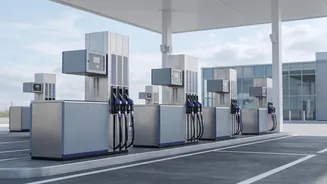
across the Delhi-NCR region have begun strictly implementing the 'No PUC, No Fuel' rule. As part of a broader strategy to combat winter air pollution, this measure means petrol pumps will deny fuel to any vehicle that does not have a valid Pollution Under Control (PUC) certificate. This isn't just a seasonal check; the rule is intended to be a year-round enforcement mechanism. Fuel stations are being transformed into frontline enforcement points, making PUC compliance a prerequisite for refuelling, rather than something only checked during random traffic stops. Many stations are equipped with Automatic Number Plate Recognition (ANPR) cameras that scan a vehicle's registration number and automatically verify its PUC status in a central database before dispensing fuel.
The 'Why' Behind the Crackdown
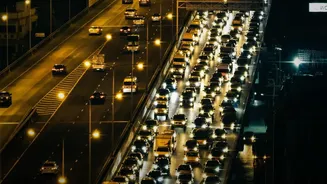
This stringent measure is a direct response to Delhi-NCR's severe air pollution crisis. Vehicular emissions are a significant contributor, accounting for 19-24% of pollutants during winter. The Commission for Air Quality Management (CAQM) has directed state governments to take coordinated action to tackle pollution sources, with vehicle emissions being a top priority. By linking fuel access to emissions compliance, authorities aim to force a large number of non-compliant vehicles off the road or compel their owners to meet the required standards. With millions of vehicles in the region, ensuring they adhere to pollution norms is seen as a critical step in improving the hazardous air quality that plagues the capital, especially during the winter months.
PUC Certificate: A Quick Refresher
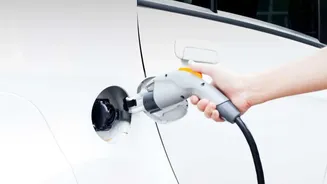
A PUC certificate is a mandatory document that certifies a vehicle's emissions are within the prescribed legal limits. Under the Central Motor Vehicles Rules, every vehicle must have a valid PUC after one year from its initial registration. For new cars (BS-IV compliant and above), the first certificate is valid for one year, after which it must be renewed every six months. The rules apply to all petrol, diesel, and CNG vehicles, while electric vehicles are exempt due to having no tailpipe emissions. Think of it as a fitness test for your vehicle's engine, ensuring it isn't releasing excessive amounts of harmful pollutants like carbon monoxide and hydrocarbons into the atmosphere.
How to Get or Renew Your PUC Certificate
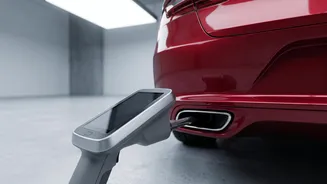
Renewing your PUC certificate is a straightforward offline process. You cannot complete the entire renewal online because it requires a physical emissions test. You must take your vehicle to an authorised emission testing centre, which are commonly found at petrol pumps and workshops across the city. A technician will insert a probe into your vehicle's exhaust pipe to measure the emissions. The test typically takes only 10-15 minutes. If your vehicle passes, you will be issued a new certificate. The cost is nominal, generally ranging from ₹60 to ₹100, depending on the vehicle type. While you can't get a new certificate online, you can download a digital copy of your existing, valid certificate from the official Parivahan website.
The Heavy Cost of Non-Compliance
Ignoring your PUC certificate renewal can now lead to significant consequences beyond just being denied fuel. Under the Motor Vehicles Act, driving without a valid PUC certificate can attract a hefty fine of up to ₹10,000. But the penalties don't stop there. Authorities also have the power to suspend your driving licence for up to three months or even impose imprisonment for up to six months in some cases. With automated ANPR systems and digital databases, getting flagged for non-compliance is becoming increasingly easier for authorities, making the risk of being caught much higher than before.