





More Than Just Convenience
The return to one-pot meals is about more than just saving time and washing fewer dishes. It represents a conscious shift towards mindful eating and emotional ease. In an age of complex recipes and the constant pressure to optimise every minute, the act
of combining all ingredients into a single vessel offers a therapeutic escape. It’s a decision driven not by a lack of care, but by a weariness of managing countless other demands. This style of cooking feels less like a chore and more like a comforting ritual, allowing flavours to meld and build naturally without the stress of juggling multiple pans. For many, it's a practical solution to unpredictable schedules and the desire for food that feels both nourishing and familiar.
A Culinary Heritage in One Vessel
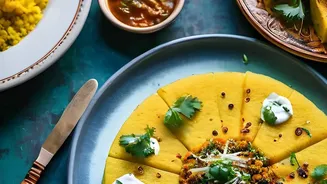
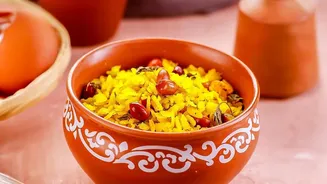
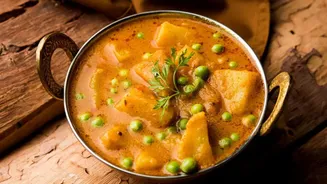
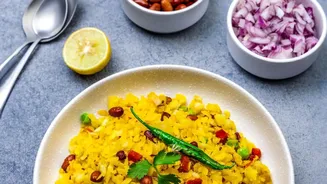
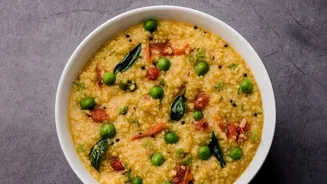
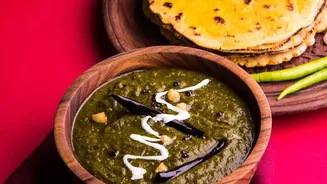
One-pot cooking is woven into the very fabric of Indian culinary history. Long before it became a global trend, households across the country were preparing complete, flavourful meals in a single pot. The most iconic example is Khichdi, a dish of rice and lentils with ancient roots mentioned in Vedic literature and texts dating back over 2,000 years. But the tradition extends far beyond this beloved comfort food. From the fragrant Tehri of North India and the spicy Bisi Bele Bath of Karnataka to Bengali Bhoger Khichuri and Meghalaya's Khasi Jadoh, regional variations are abundant. These dishes have always been simple, filling, and affordable, using local ingredients to create balanced meals that have sustained generations.
The Wisdom of a Balanced Meal
The enduring appeal of these dishes lies in their inherent nutritional intelligence. A traditional one-pot meal like Khichdi, which combines a cereal (rice) with a pulse (lentils), creates a complete protein profile. This principle aligns with Ayurvedic wisdom, focusing on foods that are easy to digest and deeply nourishing. Cooking everything together helps retain nutrients that might otherwise be lost, while the inclusion of spices like turmeric, cumin, and ginger aids digestion and boosts immunity. Adding a variety of seasonal vegetables further enhances the fibre, vitamin, and mineral content, making it a perfectly balanced meal in a single bowl.
The Modern Revival in a Busy World
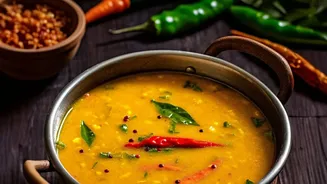
Today, one-pot meals are more relevant than ever. They are the perfect answer for young professionals, students, and busy families living in smaller urban homes. The rise of modern appliances like the Instant Pot has made dishes like dal, pulao, and biryani even faster and more convenient, cutting down on active cooking time significantly. This revival is also visible in the restaurant industry, where cloud kitchens and quick-service restaurants are building entire menus around one-pot comfort meals that are both nostalgic and delivery-friendly. As home cooking becomes more essential, people are gravitating towards these forgiving, flexible, and deeply satisfying dishes that connect them to their roots while fitting seamlessly into their modern lives.