





Why Bali Is Perfect for Solo Travellers
Bali has a well-deserved reputation as a haven for solo travellers. The island is considered one of the safer destinations in Asia, with a welcoming Hindu culture and a robust tourism infrastructure that makes getting around relatively straightforward.
Areas like Canggu, Ubud, and Seminyak are particularly popular with those travelling alone, offering a vibrant mix of social opportunities like co-working spaces, yoga studios, and surf camps, alongside tranquil spots for quiet reflection. You can spend your days meeting new people in bustling cafes or find complete solitude on a remote beach, making it an ideal destination for a customised solo experience.
Your Chariot Awaits: Renting a Scooter
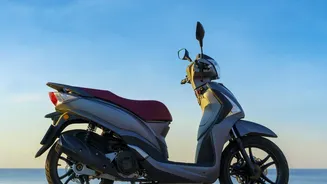
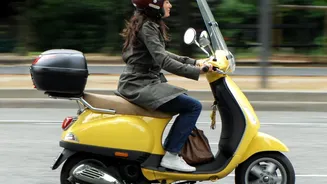
The single best way to explore Bali on your own terms is by renting a scooter. It offers unparalleled freedom to weave through traffic, discover hidden beaches, and navigate the narrow lanes that cars can't access. In 2026, daily rental costs for a standard scooter, like a Honda Scoopy or Vario, range from IDR 60,000 to 100,000 (about $4 to $6.50). For longer stays, monthly rates can be as low as IDR 1,200,000 (around $80), making it incredibly cost-effective. To ride legally, you will need an International Driving Permit (IDP) with a motorcycle endorsement, along with your home country's license. Most rental shops provide a helmet, but always check its quality and ensure your travel insurance is valid for riding a scooter. For safety, always wear closed-toe shoes, keep your eyes on the unpredictable traffic, and never drink and drive.
Feast Like a Local: The Magic of Warungs
Your most powerful tool for saving money and experiencing authentic Balinese culture is the warung. These are small, often family-run eateries that serve delicious, home-style Indonesian food. A filling meal at a warung is remarkably affordable. Expect to pay between IDR 20,000 and 50,000 ($1.30 to $3.50) for classic dishes. A plate of Nasi Campur (steamed rice with a mix of small portions of vegetables, meat, and sambal) can cost as little as IDR 25,000. Other staples like Nasi Goreng (fried rice) and Mie Goreng (fried noodles) are similarly priced. This is a stark contrast to tourist-focused cafes where a single dish can cost three to five times more. To find the best warungs, look for busy spots frequented by locals—a sure sign of fresh, high-quality food.
Smart Stays on a Shoestring
Accommodation is another area where a solo traveller can save significantly. Bali offers a vast range of budget-friendly options, from social hostels to private guesthouse rooms (known as losmen). In areas like Kuta and Canggu, a dorm bed can be found for as little as IDR 100,000-180,000 ($7 to $12.50) per night. Ubud also offers excellent value for those seeking a more spiritual, nature-focused stay. Staying in these areas provides a double benefit: not only is lodging cheaper, but you'll also be surrounded by affordable warungs and have easy access to a community of fellow travellers.
A Realistic Daily Budget
So, what does a daily budget look like? For a shoestring solo traveller, a daily spend of IDR 500,000 (around $30-$35) is entirely achievable. This would cover a hostel dorm or basic guesthouse room, three meals at local warungs, scooter rental and fuel, and entrance fees for one or two attractions like temples or waterfalls. A sample breakdown could be: IDR 150,000 for accommodation, IDR 100,000 for food, IDR 80,000 for a scooter, and the rest for activities and miscellaneous costs like parking. This approach allows you to experience the best of Bali without feeling financially constrained.