
A Sweet with Divine Origins
The story of the Mathura Peda is inseparable from the city's identity as the birthplace of Lord Krishna. The entire region, known as Braj, has a culture deeply rooted in dairy, stemming from the pastoral traditions and stories of Krishna's childhood love
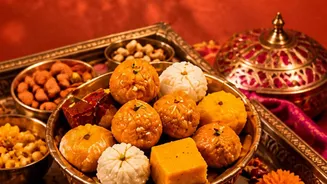
for milk, butter, and curd. Within this dairy-rich environment, milk-based sweets became a natural part of the local cuisine and religious life. The peda's primary role began as 'prasad'—a consecrated offering made to the deity in temples, especially during festivals like Janmashtami, which celebrates Krishna's birth. Devotees would receive this blessed sweet, and its significance grew beyond mere taste to become an act of devotion itself.
The Unique Taste and Texture
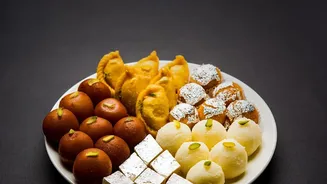
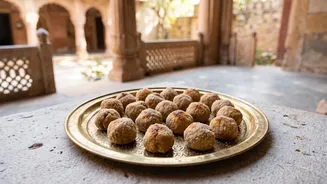
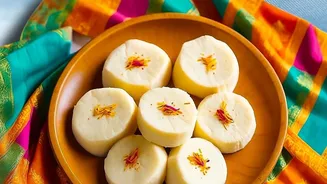
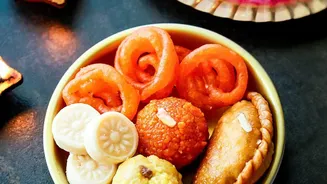
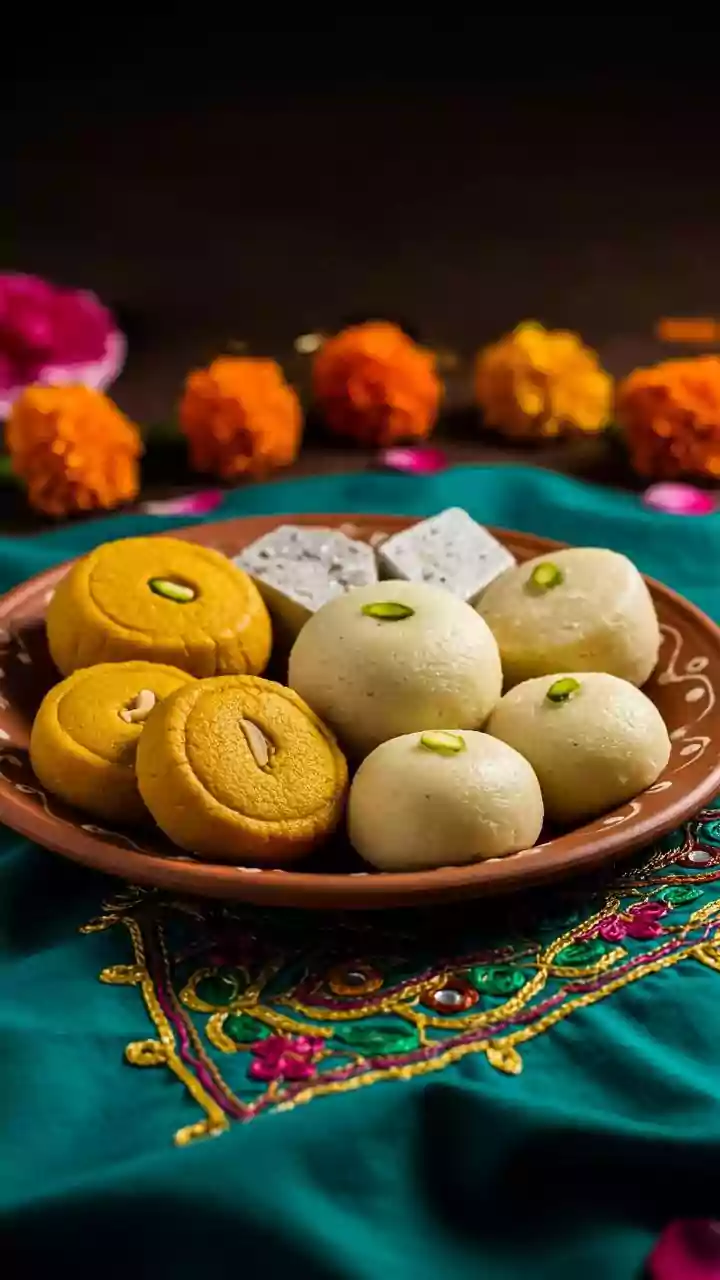
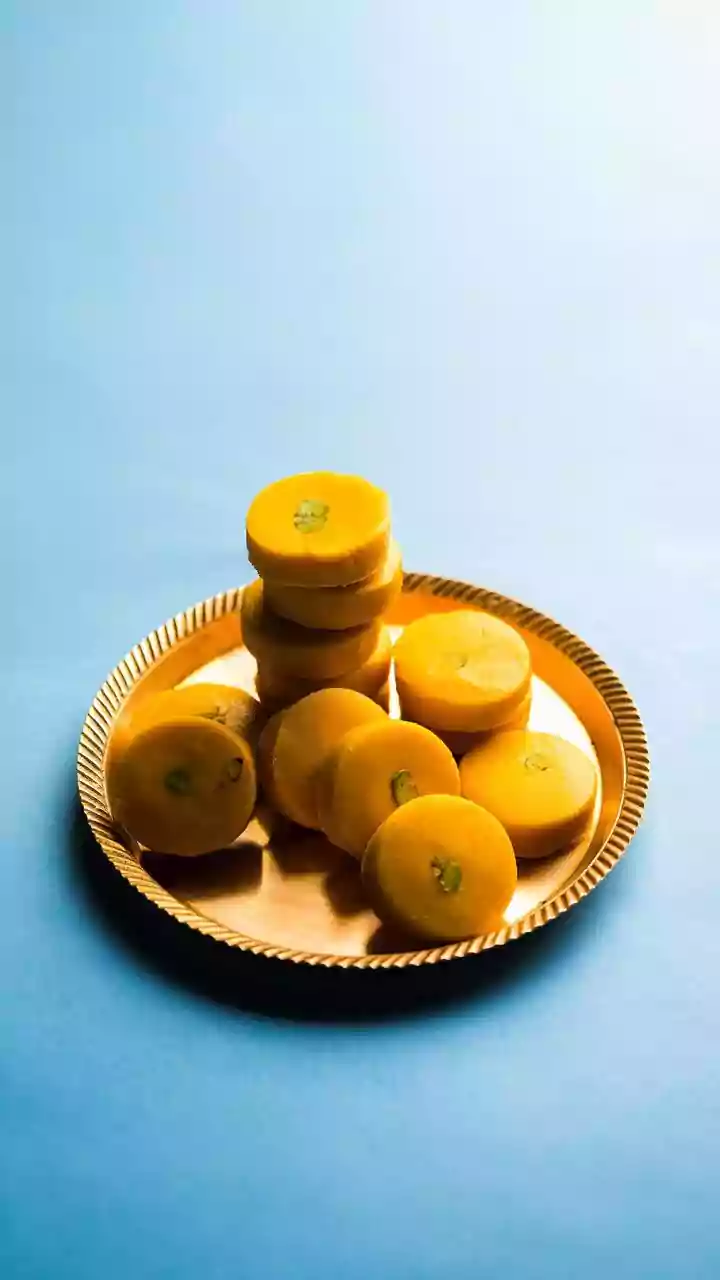
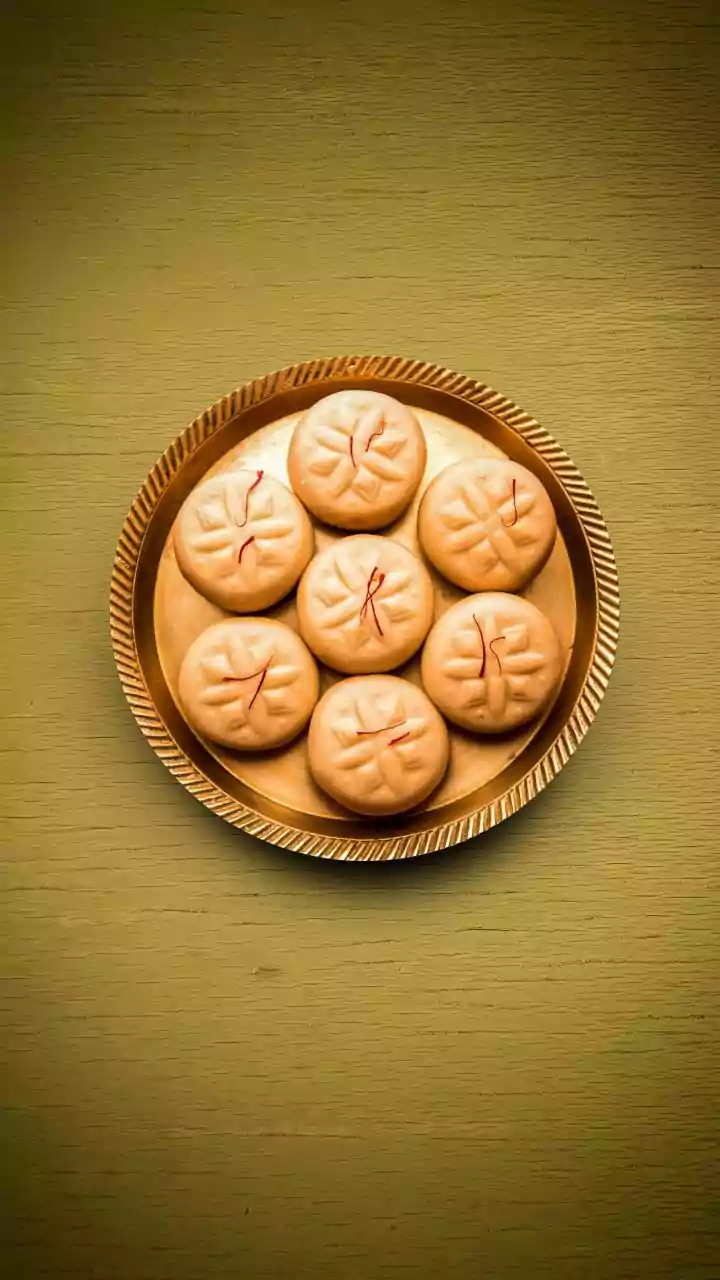
What sets Mathura Peda apart from its countless pale, softer cousins across India is its unique preparation and resulting character. The process starts with khoya (also called mawa), which is milk that has been slowly simmered until most of the water evaporates, leaving behind crumbly milk solids. For the Mathura variety, this khoya is then roasted, often with a little ghee, over a low flame for a considerable time. This slow-roasting process is crucial; it caramelises the milk sugars, giving the peda its signature brownish colour, a slightly grainy or 'danedar' texture, and a deep, rich, almost nutty flavour. After this, sugar (traditionally a type called 'tagar' or 'bura'), and aromatics like cardamom are mixed in before the sweet is shaped.
From Holy Offering to Popular Souvenir
The transformation of the peda from a temple offering to a must-buy souvenir is directly linked to pilgrimage. Millions of devotees and tourists visit Mathura and the surrounding Braj region every year. For these visitors, taking home a box of peda became a way to share the blessings and a piece of the sacred land with family and friends who couldn't make the journey. The peda's relatively long shelf life, a result of the extensive cooking of the milk solids, made it an ideal and durable food souvenir that could survive travel without spoiling quickly. This practice helped spread its fame far beyond Uttar Pradesh, cementing its status as an iconic regional specialty.
A Pillar of the Local Economy
Today, the production and sale of peda are a vital part of Mathura's local economy. Countless sweet shops, from generations-old establishments to newer vendors, line the streets, especially near major temples, all doing a brisk trade in this iconic sweet. The commercialisation has turned peda into both a devotional item and a major commercial product. Recognizing its cultural and economic importance, there has been a significant push to secure a Geographical Indication (GI) tag for the Mathura Peda. An application was filed by the local mithai association to legally protect its name and authenticity from imitations. While the GI tag has been reported as 'in process' for some time, the effort underscores the sweet's deep connection to the region's identity and livelihood.