


The Allure of Natural Cleaners
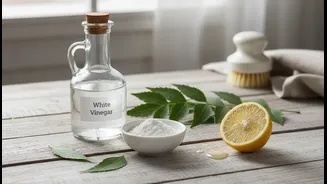
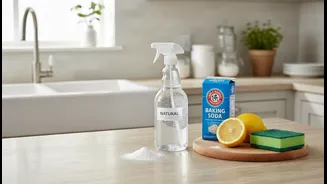
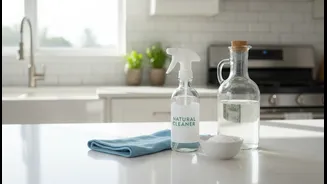
During the rainy season, our homes become a battleground against dampness and grime. Many of us are turning to natural, DIY cleaning solutions. Ingredients like vinegar, baking soda, and lemon juice are affordable, easily available, and free from harsh
chemicals, making them a popular choice. They promise a 'green' clean that feels safer for families and pets. The idea of using simple kitchen staples to cut through grease and deodorise a room is appealing, tapping into a traditional wisdom that feels both sustainable and resourceful. These ingredients are excellent for many daily chores, and their reputation as all-purpose miracle workers is well-deserved, to a point.
Where Natural Solutions Shine
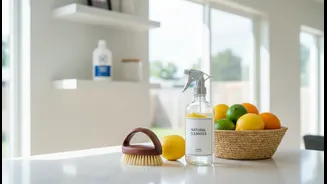
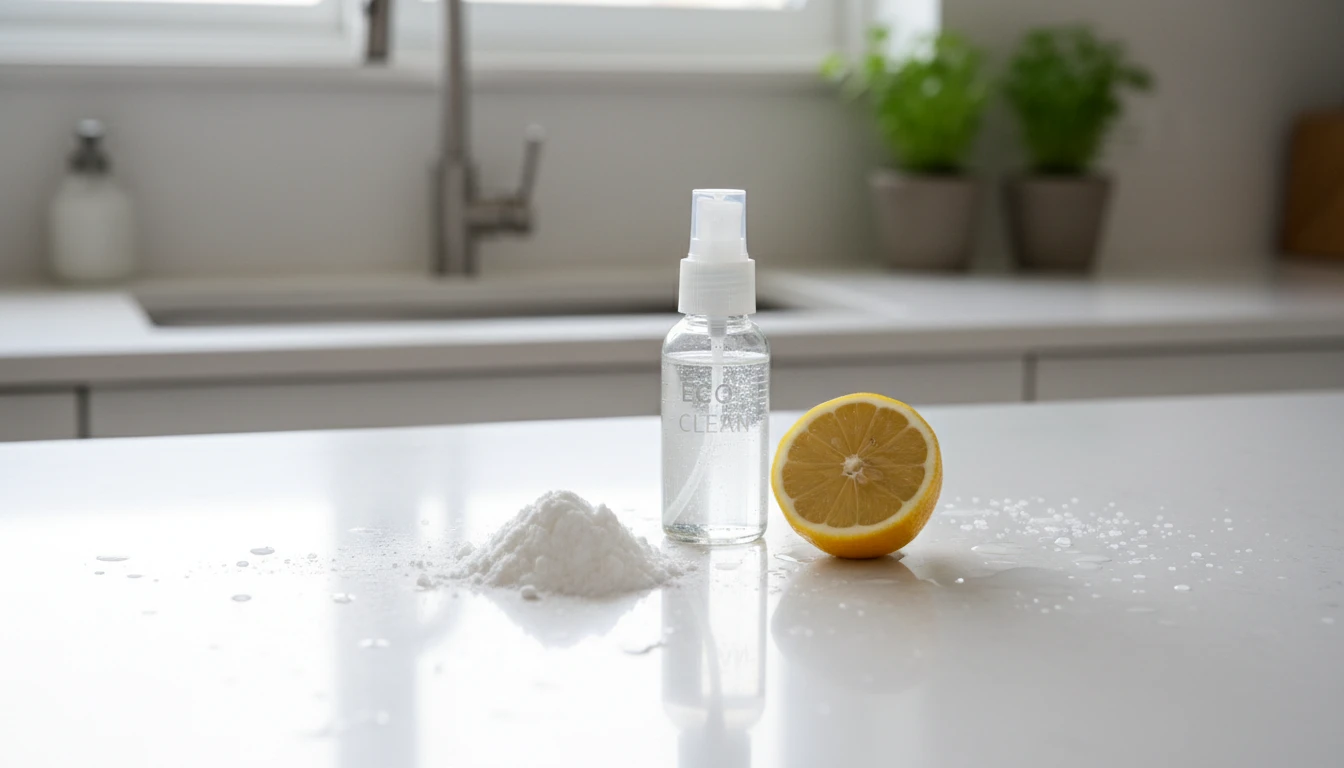
Natural ingredients are effective for a wide range of cleaning tasks. White vinegar, with its acetic acid content, is fantastic at cutting through grease and dissolving mineral deposits, making it perfect for wiping windows and countertops. Baking soda's mild abrasive quality is ideal for scrubbing sinks and stovetops without scratching them. Lemon juice can help remove some stains and leaves a fresh scent, while its acidity offers some mild antibacterial properties. For tasks like deodorising carpets, freshening up the microwave, or creating a gentle all-purpose spray for visible dirt, these natural options work beautifully. They physically lift and remove dirt and impurities from surfaces, which is the essential first step in any cleaning routine.
The Crucial Difference: Cleaning vs. Disinfecting
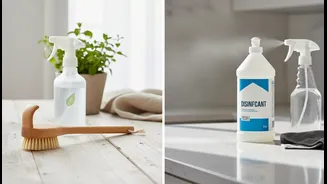
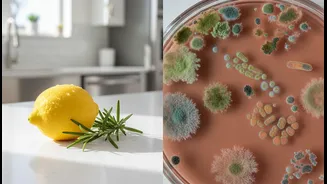
Here's where the limits of natural cleaners become clear. According to health bodies like the CDC, cleaning and disinfecting are not the same thing. Cleaning removes dirt and reduces the number of germs on a surface. Disinfecting, on the other hand, uses chemicals to kill germs. While vinegar and lemon juice have some mild antibacterial properties, they are not registered as disinfectants by agencies like the EPA because they don't kill a broad enough spectrum of pathogens. Studies show that while vinegar can be effective against some foodborne bacteria like E. coli and Salmonella, it is not reliably effective against resilient viruses or mould spores. For a surface to be disinfected, germs must be killed, not just moved around.
Monsoon Germs to Watch For
The monsoon's high humidity creates the perfect breeding ground for specific microbes that can affect health. Mould and mildew are chief among them, thriving in damp corners, behind furniture, and inside wardrobes. These fungi release spores that can trigger allergies and respiratory issues. The persistent dampness also allows bacteria to multiply more quickly on surfaces. Floors, which are constantly exposed to moisture and tracked-in dirt, can become a hotspot for microbial growth. This environment means that simply wiping away visible dirt isn't enough to ensure a hygienic space, especially with increased risks of colds, flu, and other infections during this season.
A Balanced Strategy for a Healthy Home
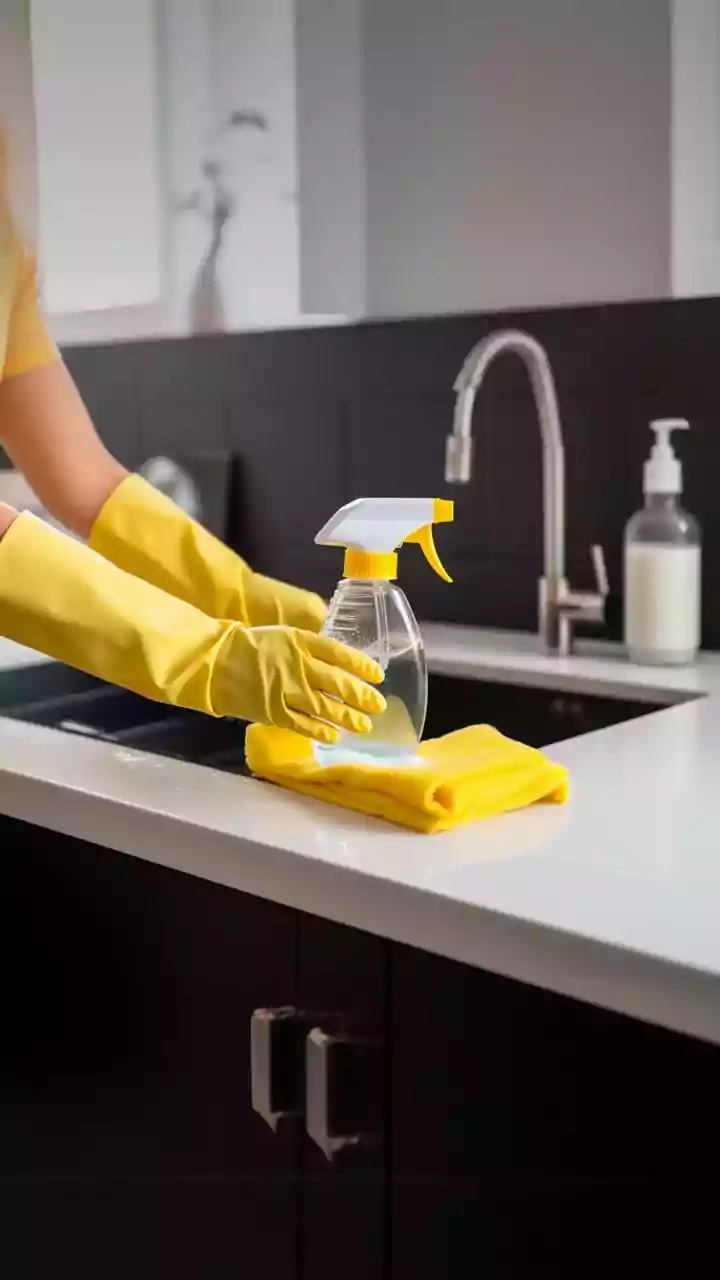
The most effective approach for monsoon cleaning is a balanced one. Continue using your favourite natural cleaners for daily, low-risk tasks like wiping down surfaces, cleaning glass, and general tidying. However, for high-touch, germ-prone areas, it's crucial to bring in a certified disinfectant. Focus on disinfecting doorknobs, light switches, kitchen counters (especially after contact with raw meat), bathroom surfaces, and floors. Always clean a surface with soap and water or your natural cleaner first to remove dirt, as this allows the disinfectant to work effectively. For mould, a solution of white vinegar and water can help, but for persistent issues, a stronger commercial product may be needed. Ventilate your home whenever possible by opening windows during dry spells to reduce overall humidity.