




The Science of Freezer Burn
Freezer burn isn't a burn at all; it's dehydration. It happens when moisture escapes from the surface of frozen food. This process, called sublimation, occurs when ice turns directly into a gas, skipping the liquid phase entirely. The result is dry, tough,
and discoloured patches on your food. While freezer-burned food is generally safe to eat, its texture and flavour are significantly compromised. The two main causes are exposure to air and fluctuating temperatures. Cold, dry freezer air pulls moisture from the food, and temperature swings accelerate this process by causing ice crystals to melt and refreeze, damaging the food's cellular structure.
First Defence: Keep Your Cooler Stable
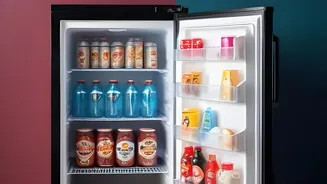
A consistent, cold temperature is your freezer's best weapon. The universally accepted standard is 0°F (-18°C) or lower. Frequent temperature fluctuations are a major enemy. Every time you open the freezer door, the temperature rises, causing small thaws and refreezes that degrade food quality. To combat this, minimise how long and how often the door is open. An organised freezer helps you find what you need quickly. While you shouldn't overpack a freezer to the point of blocking air vents, a relatively full freezer is more efficient at maintaining its temperature than an empty one. If your freezer is looking sparse, you can fill empty space with bottles of water to help stabilize the internal temperature. Also, always let hot foods cool completely before freezing them, as placing warm items inside can raise the overall temperature.
Second Front: Banish Air for Lasting Freshness
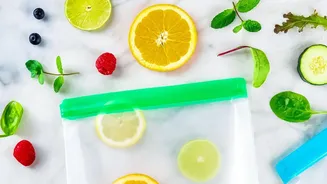
Air is the second great enemy of frozen food. Proper packaging is essential to create a barrier between your food and the dry freezer air. The goal is to remove as much air as possible before sealing. Vacuum sealers are the gold standard for this, as they remove nearly all air, dramatically extending the quality and lifespan of frozen goods. If you don't have a vacuum sealer, you can still achieve great results. When using freezer bags, press out as much air as you can before sealing. A clever trick is the water displacement method: place your food in a zip-top bag, seal it almost completely, and then slowly lower the bag into a container of water. The water pressure will force the air out; once the bag is submerged up to the seal, close it the rest of the way. For solid items, a tight double wrap in plastic wrap, freezer paper, or heavy-duty foil can also be effective.
Strategic Storage for Better Quality
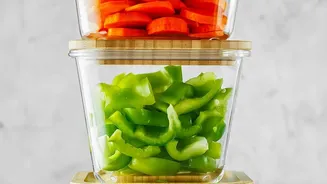
How you organise your freezer not only saves you time but also helps protect your food. Adopt the “First In, First Out” (FIFO) principle by placing newer items at the back and moving older items to the front. Always label everything with the contents and the date you froze it. This prevents mystery packages from languishing in the back for too long. Using clear, stackable bins or even sturdy reusable bags can help you categorise items like meats, vegetables, and pre-made meals. This system allows you to see what you have at a glance, reducing the time spent with the door open. Freezing foods flat in bags, such as soups or ground meat, is another space-saving technique that also helps them freeze and thaw more quickly and evenly.