






An Unpredictable Water Cycle
Climate change is not just about rising temperatures; it is fundamentally rewriting India's relationship with water. The reliable pattern of monsoons is giving way to a new, more volatile reality: long dry spells punctuated by bursts of extreme, intense
rainfall. This shift from consistent moisture to a cycle of drought and deluge poses a complex threat. Research shows that this increased variability in precipitation can be more damaging than a simple change in the total amount of rain. Forests that have evolved over millennia to thrive under specific rainfall conditions are now being pushed beyond their tolerance limits, leading to what scientists call "ecological drought"—a state where even historically wet regions experience vegetation stress.
Western Ghats: Drenched and Damaged
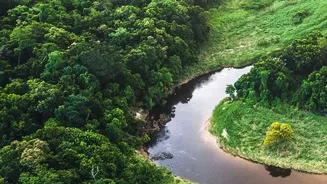
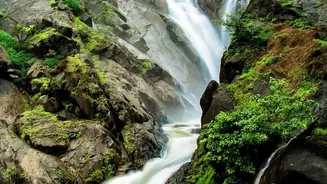
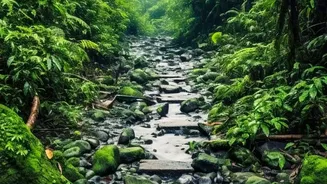
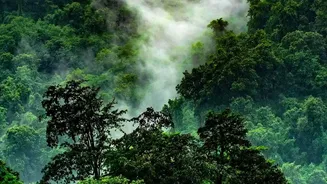
The Western Ghats, a UNESCO World Heritage site and a global biodiversity hotspot, are adapted to heavy rainfall. However, climate change is intensifying this rainfall into extreme events. When massive amounts of rain fall in a short period, the soil on the forested slopes becomes saturated, leading to an increased risk of landslides that can tear away entire patches of forest. This not only destroys habitats but also destabilises the surrounding areas. The heavy downpours increase soil erosion, washing away vital nutrients and muddying the rivers that originate in these hills. Ironically, despite an increase in brief, heavy rainfall events, the region has also experienced drier-than-usual phases, highlighting the unpredictable nature of the new climate reality. This combination of extreme wet and dry periods threatens to weaken one of India's most important forest ecosystems.
Central India: Rising Temperatures and Fire Risk
The dry and moist deciduous forests of Central India, including teak and sal forests, face a different kind of threat. Here, the combination of rising temperatures and shifting, more variable rainfall is creating a tinderbox effect. Studies, such as one focused on the Panchmarhi Biosphere Reserve, have documented a significant increase in forest fire risk when maximum temperatures climb. These drier conditions make the forests more vulnerable to fire, which can lead to large-scale degradation. Over time, this pressure can cause a shift in the ecosystem, with dense forests giving way to more open, scrub-like vegetation. Research has already observed significant losses in canopy cover in dry teak forests, which are particularly susceptible to moisture stress.
The Himalayas: A Fragile Balance Disrupted
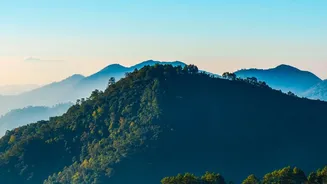
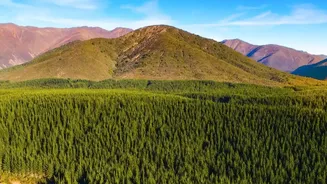
In the Himalayas, the impacts are even more complex. The region is warming at a rate faster than the global average, profoundly affecting its water cycle. This includes changes in precipitation, with some areas seeing increases while others face declines. A crucial change is the shift from snow to rain, even at higher altitudes. This disrupts the natural water storage system that Himalayan glaciers and snowpack provide, which feed the great rivers of North India. This alteration in water flow, combined with warming, affects the phenology—or life cycle timing—of plants, advancing the start of the growing season. Forests in these high-altitude transitional zones are particularly vulnerable, and these changes threaten the unique biodiversity of the region, from alpine meadows to coniferous forests.
A Call for Region-Specific Solutions
The varied responses of India's forests underscore a critical point: there is no one-size-fits-all solution to climate adaptation. The pressures on the evergreen forests of the Western Ghats are vastly different from those on the dry deciduous forests of the heartland or the alpine ecosystems of the Himalayas. Protecting these vital national resources requires a shift in conservation strategy. Policymakers and forest managers must move towards developing adaptable, region-specific plans informed by the latest climate science. This involves everything from landslide prevention in the Ghats to improved fire management in Central India and specialised conservation efforts for the fragile Himalayan ecosystems. The health of these forests is directly linked to the water security, economic stability, and well-being of millions of Indians.