

Craving a touch of green but short on space? Indoor moss gardens offer a lush, low-maintenance solution. These miniature landscapes bring the calming essence of a forest floor into even the most compact urban homes. Here’s how to get started.
What is an Indoor Moss Garden?
An indoor
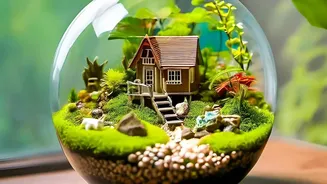
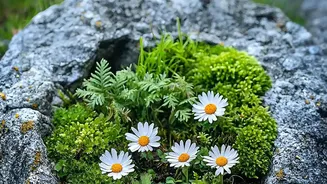
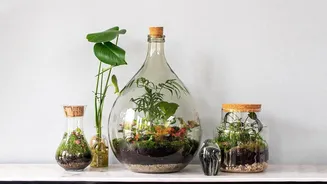
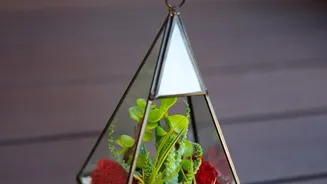
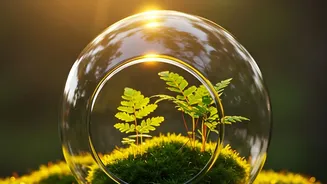
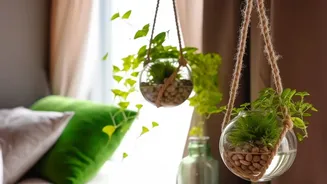
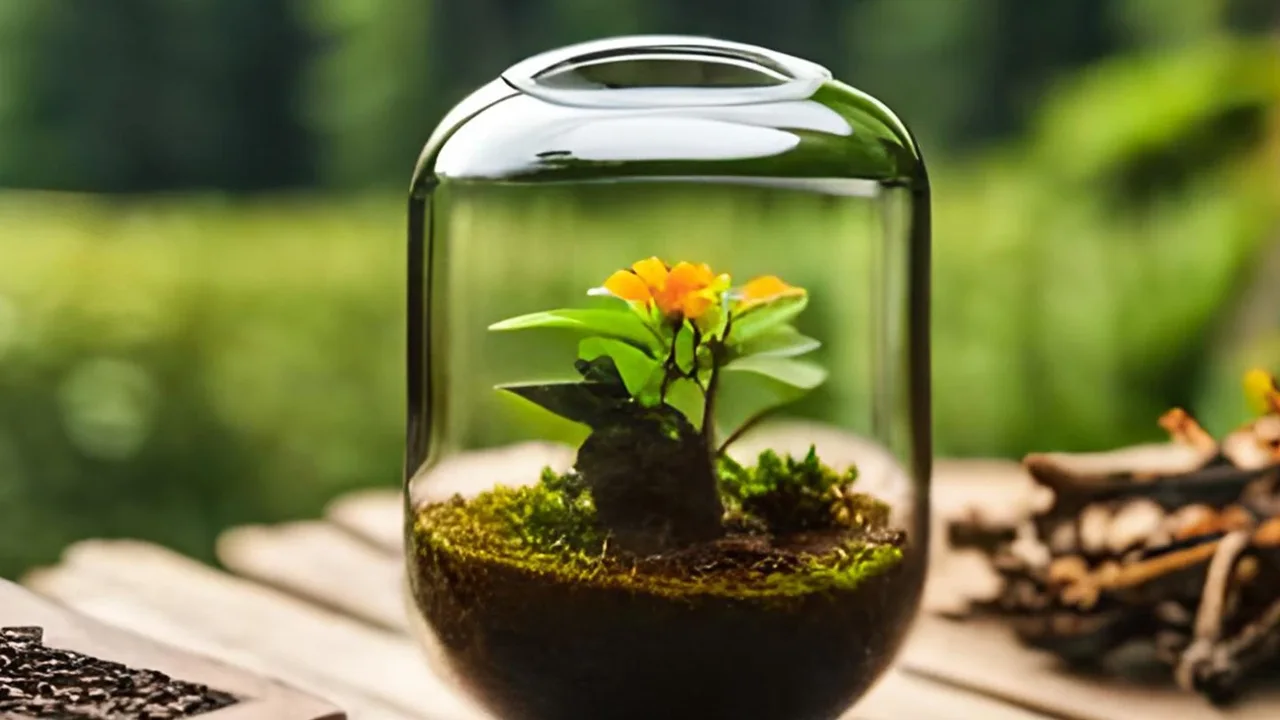
moss garden is a decorative, contained display of living or preserved moss. Unlike typical houseplants, mosses are non-vascular plants, meaning they don't have true roots. Instead, they absorb water and nutrients through their surfaces, which makes them uniquely suited for indoor life where humidity and light can be controlled. They can be arranged in glass terrariums, shallow dishes, or even mounted in frames as living art. Because they don't need deep soil, they are a perfect match for small containers and spaces where a traditional potted plant might not fit.
The Allure for Compact Living
Moss is an ideal companion for city apartments and smaller homes. Most species thrive in the lower light conditions common indoors, preferring bright, indirect light over harsh sun that can dry them out. This makes them perfect for a north-facing windowsill or a shelf that doesn't get direct sunlight. Their lack of a complex root system means they can be grown in very shallow containers, from a decorative bowl to a small tin. This adaptability allows you to introduce a vibrant, natural texture to desks, coffee tables, and bookshelves without sacrificing precious space.
A Touch of Zen and Well-being
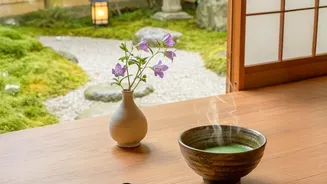
Beyond aesthetics, bringing moss indoors taps into the principles of biophilic design, which is the practice of connecting people with nature in built environments. Studies show that having natural elements in our living spaces can reduce stress, lower heart rate, and improve overall mood. While a small moss garden won't single-handedly purify your home's air, its calming green presence provides a restorative visual break, enhancing focus and creating a sense of tranquility. A simple moss arrangement can serve as a meditative centrepiece, offering a tiny escape into nature.
Choosing Your Moss: Living vs. Preserved
There are two main options for your indoor garden: living or preserved moss. Living moss requires care—primarily consistent moisture and indirect light—but rewards you with a dynamic, growing display. Popular living varieties for terrariums include Cushion Moss, with its pillowy mounds, and Sheet Moss, which creates a flat, carpet-like look. Preserved moss, on the other hand, is real moss that has been treated to maintain its colour and texture without needing any water or light. This makes it a zero-maintenance option perfect for moss walls or framed art where you want the natural look without the upkeep.
Creating Your First Moss Garden
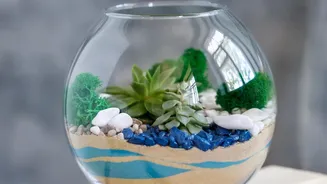
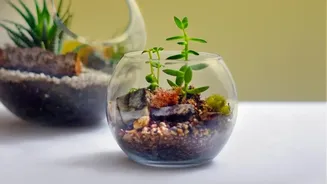
Starting your own living moss garden is surprisingly simple. Begin with a clear glass container like a jar or bowl. Create a base layer of small pebbles or gravel for drainage, followed by a thin layer of activated charcoal to keep the environment fresh. On top of that, add a substrate layer of potting soil. Gently press your chosen living moss onto the surface, ensuring it makes good contact. You can add small stones or pieces of wood to create a miniature landscape. Finish by lightly misting the moss with filtered or distilled water, as tap water can sometimes contain minerals that harm the moss.
Low-Effort Maintenance and Care
The key to a thriving moss garden is balance. Moss loves humidity but dislikes being waterlogged, which can lead to mould. Mist your moss two to three times a week to keep it moist but not soggy. If it's in a closed terrarium, you'll need to water it far less frequently and should open the lid once a week for air circulation. Keep it out of direct sunlight to prevent it from scorching. If you notice the moss looking pale or dry, a good misting will usually help it perk back up. No fertiliser is needed, and the only grooming required is the occasional removal of any fallen debris to keep it looking clean.