
The Mystery of the Red Dots
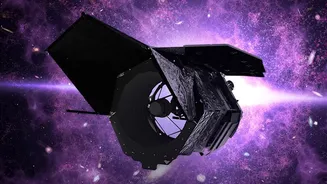
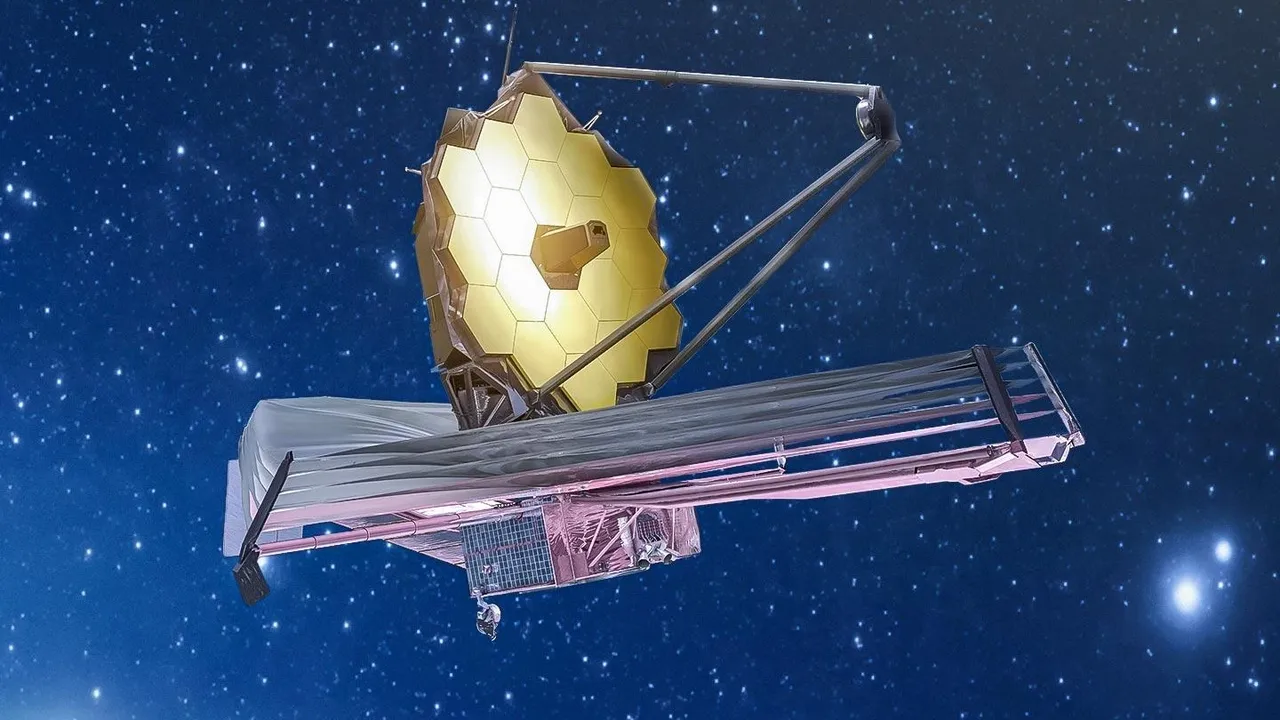
Since the James Webb Space Telescope (JWST) began sending back breathtaking images of the cosmos in 2022, astronomers have been captivated by hundreds of faint, reddish objects lurking in the background. Seen as they were in the universe’s infancy—just
600 million to 1.6 billion years after the Big Bang—these objects were dubbed 'little red dots'. Initially, their brightness led to a startling theory: perhaps they were incredibly massive galaxies that had formed far too quickly, a finding that would challenge our fundamental understanding of cosmology. The idea that galaxies could grow larger than the Milky Way in such a short time seemed impossible, leading some to worry that our cosmic models were 'broken'. The puzzle was clear: what were these enigmatic dots, and why were they so bright, so early in cosmic history?
Unmasking a Cosmic Surprise
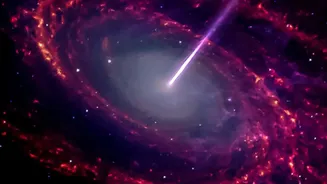
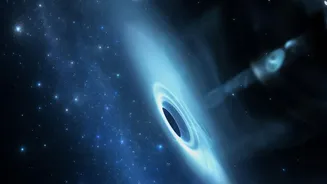
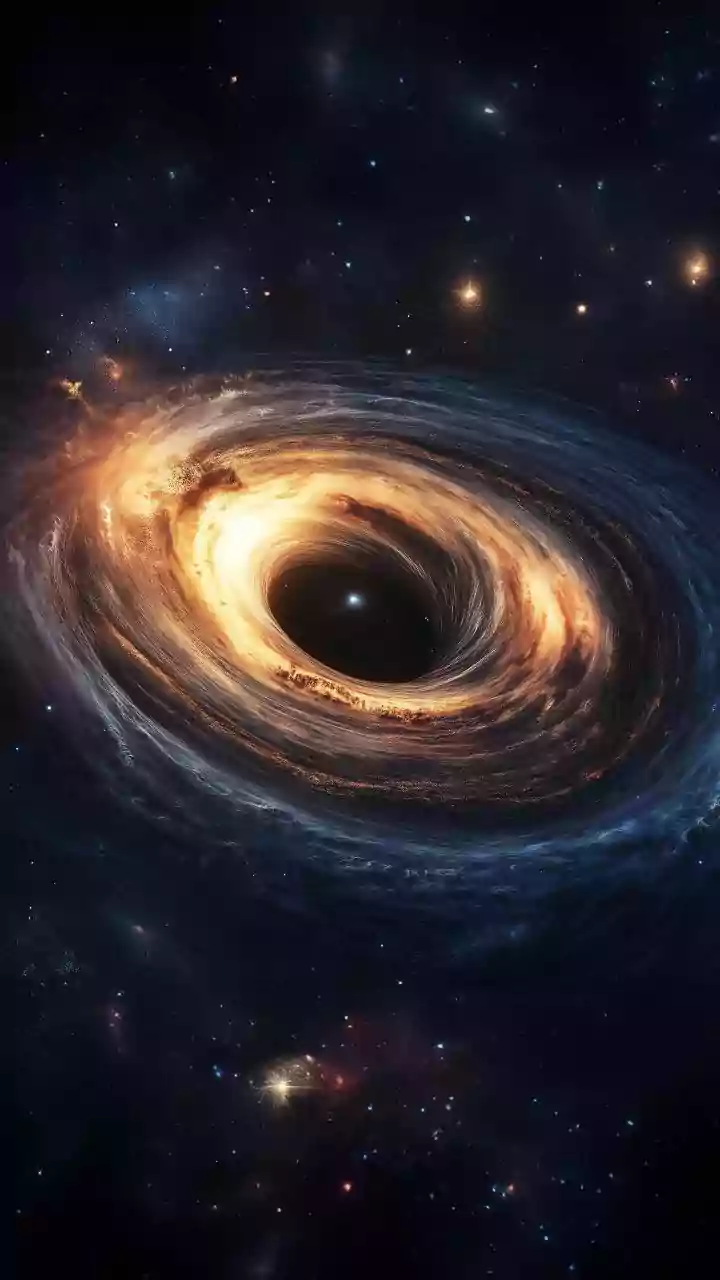
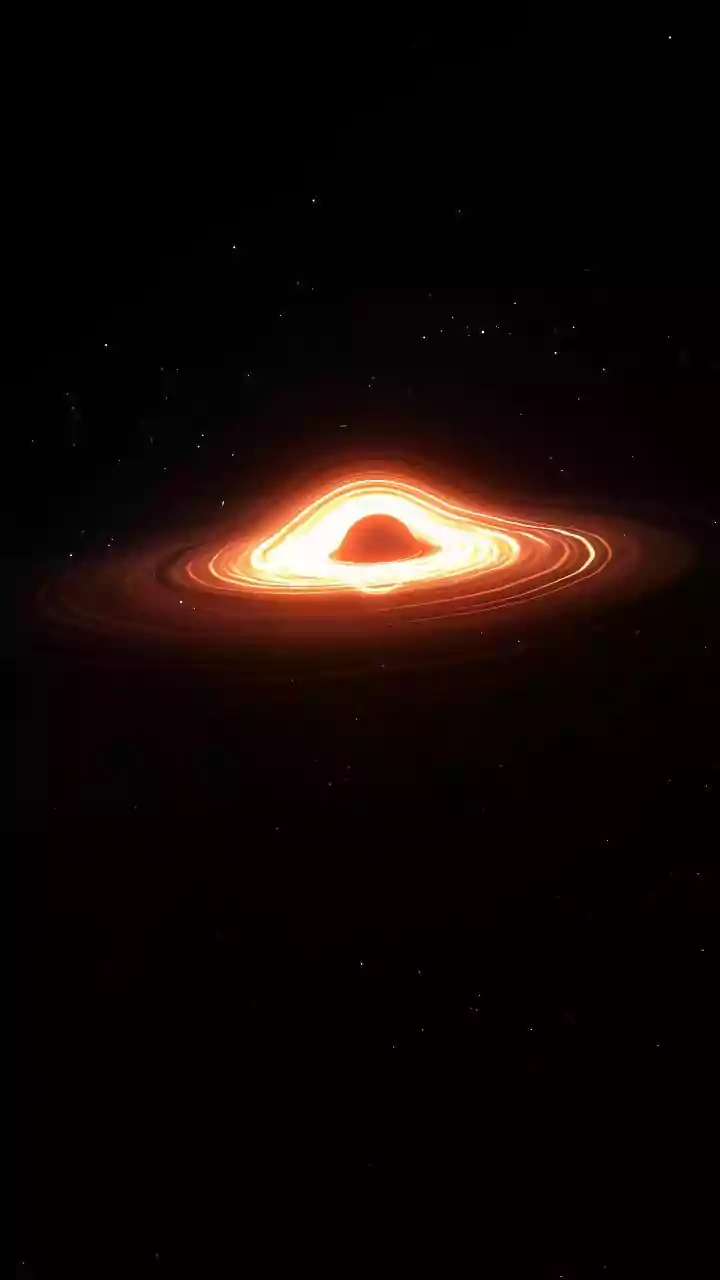
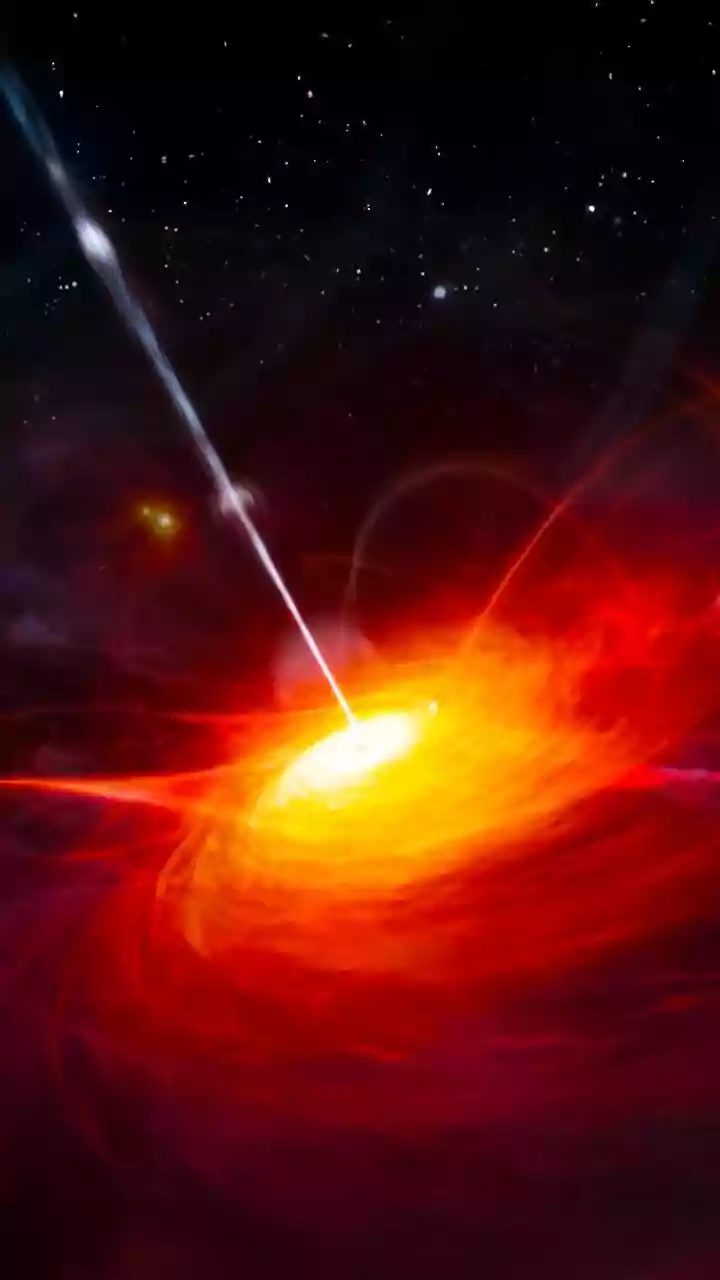
A more compelling explanation has recently gained momentum, shifting the focus from stars to the gravitational monsters that lurk at the centre of galaxies. The leading theory now is that these little red dots are not just oversized galaxies, but are instead powered by rapidly growing supermassive black holes. Known as active galactic nuclei (AGN), these are regions where a black hole is ferociously consuming gas and dust, releasing an immense amount of energy that can outshine an entire galaxy. The characteristic red colour is believed to come from a combination of extreme redshift—light stretching as it travels across the expanding universe—and a thick shroud of dust that absorbs blue light, allowing only red light to escape. This shifts the narrative from 'impossibly large galaxies' to 'incredibly active black holes'.
The Evidence Mounts
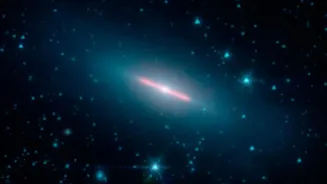
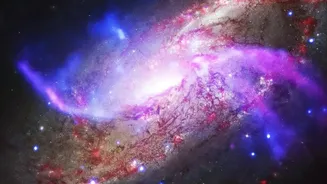
Recent research has provided the strongest evidence yet for this black hole theory. One study zoomed in on a specific little red dot named GLIMPSE-17775. By analysing its light spectrum in unprecedented detail, scientists found multiple signs pointing to a 'black hole star'—a supermassive black hole enveloped in a dense cocoon of gas. This model perfectly explained the unique light signature that had baffled astronomers. Another study focused on a more nearby galaxy nicknamed the 'Saguaro'. Researchers showed that if this galaxy, with its known active black hole, were viewed from the immense distance of the early universe, it would look exactly like a little red dot. This suggests the dots are not a strange new type of object, but a temporary, intensely energetic phase in the life of a young galaxy, whose fainter surrounding structures are simply too far away for even Webb to see clearly.
Rewriting the Cosmic Timeline
This discovery doesn't break cosmology; it refines it. By confirming that the brilliant light comes from feeding black holes rather than just stars, the pressure to explain impossibly massive early galaxies disappears. Instead, it paints a picture of a much more active and chaotic early universe than previously imagined, where supermassive black holes grew much larger, much faster than models had predicted. The 'hidden galaxies' of the headline are both the host galaxies obscured by the glare of their central black hole and the true nature of the dots themselves, which were hiding in plain sight. The JWST's findings suggest we are witnessing the frantic growth spurts of the universe's first giant black holes, a critical and previously unseen chapter in cosmic history.