



Why Yoga Helps
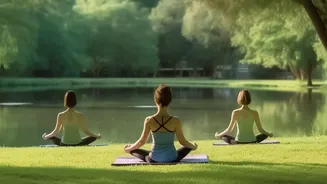
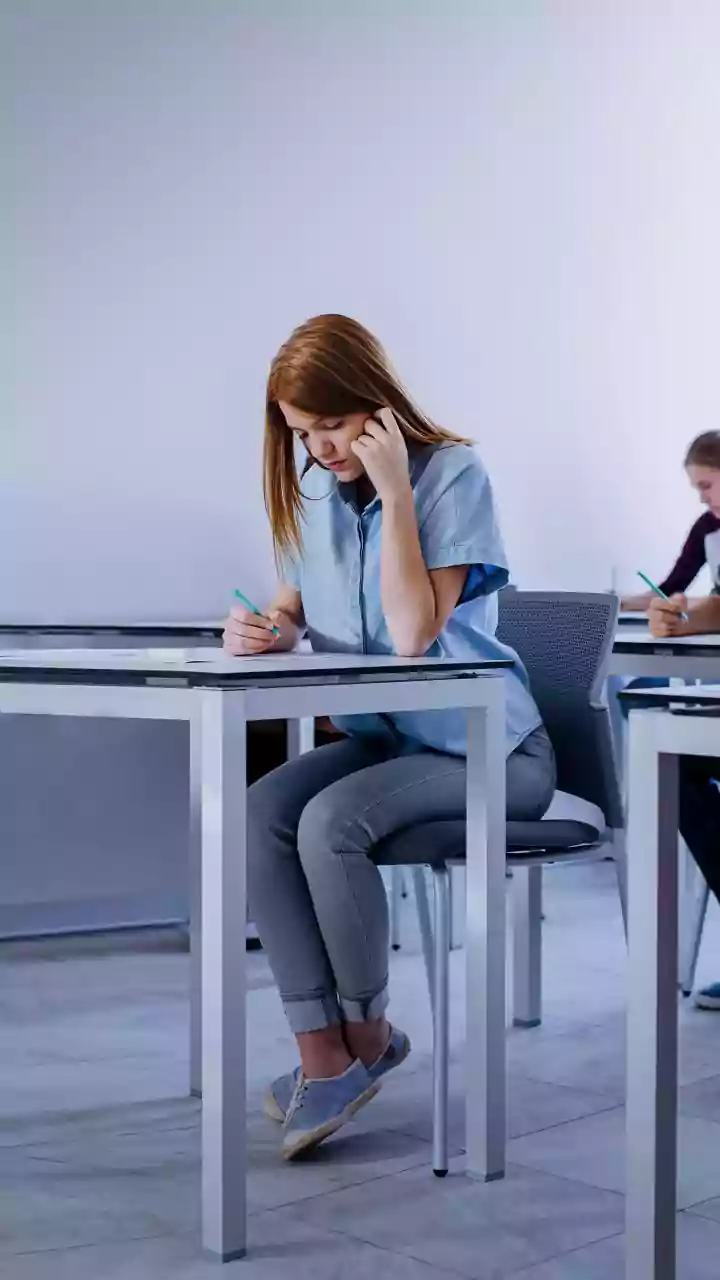
During stressful periods like exams, the body and mind are in a constant state of high alert. This can lead to anxiety, fatigue, and difficulty concentrating. Research and studies show that yoga, an ancient practice from India, can help manage this pressure.
The combination of physical postures (asanas), controlled breathing (pranayama), and mindfulness helps calm the nervous system, reduce levels of the stress hormone cortisol, and increase blood flow to the brain. This process not only relieves tension stored in muscles but also enhances cognitive functions like memory and attention span, making it easier to study effectively.
Cat-Cow Stretch (Marjaryasana-Bitilasana)
This gentle, flowing movement is perfect for releasing tension in the spine, neck, and shoulders after hours of sitting. Start on your hands and knees, with your wrists directly under your shoulders and your knees under your hips. As you inhale, drop your belly, lift your chest and look forward (Cow Pose). As you exhale, round your spine toward the ceiling, tucking your chin to your chest (Cat Pose). Continue flowing between these two poses for 5 to 10 breaths, syncing your movement with your breath. This simple exercise helps reset your posture and encourages mindful breathing.
Standing Forward Bend (Hastapadasana)
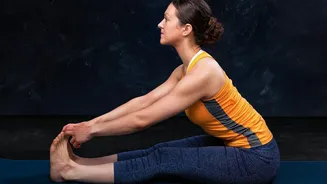
When you feel mentally foggy, a forward bend can do wonders. Stand with your feet hip-width apart and take a deep breath in. As you exhale, hinge at your hips and fold forward, letting your head hang heavy. You can bend your knees slightly to make it more comfortable. This pose increases blood supply to the brain, which can help calm your mind and relieve mild anxiety. It also gives the hamstrings and back a much-needed stretch. Hold for 30 seconds, breathing deeply, and then slowly roll back up to standing.
Tree Pose (Vrksasana)
Improving focus is key during exam season, and balance poses are excellent for training your concentration. Stand tall on one leg. Place the sole of your other foot on your inner ankle, calf, or thigh (avoiding the knee joint). Find a fixed point in front of you to gaze at—this is your 'drishti'—to help you stay steady. Bring your hands together in front of your chest. Holding this pose requires your full attention, effectively training your mind to stay present and block out distractions. Hold for 30 seconds on each side.
Child's Pose (Balasana)
When you need a moment of complete rest and quiet, Child's Pose is the answer. Kneel on the floor, touch your big toes together, and sit back on your heels. Then, fold forward, resting your torso between your thighs and your forehead on the floor. Your arms can be stretched out in front of you or resting alongside your body. This restorative pose gently stretches the back and hips while calming the brain. It’s an instant way to relieve stress and fatigue, making it a perfect pause between tough study sessions.
Alternate Nostril Breathing (Nadi Shodhana)
This is a powerful breathing technique to calm and balance the mind. Sit comfortably with a straight spine. Use your right thumb to close your right nostril and inhale slowly through your left nostril. Then, close your left nostril with your ring finger, release your thumb, and exhale slowly through your right nostril. Next, inhale through the right nostril, close it, and exhale through the left. This completes one round. Continue for 3-5 minutes. This practice is known to reduce anxiety and harmonize the left and right sides of the brain, promoting clarity and focus.