



Start with the Right Foundation: A Lightweight Bag
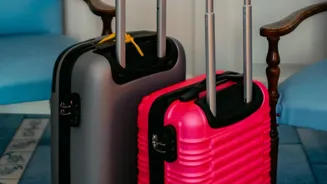
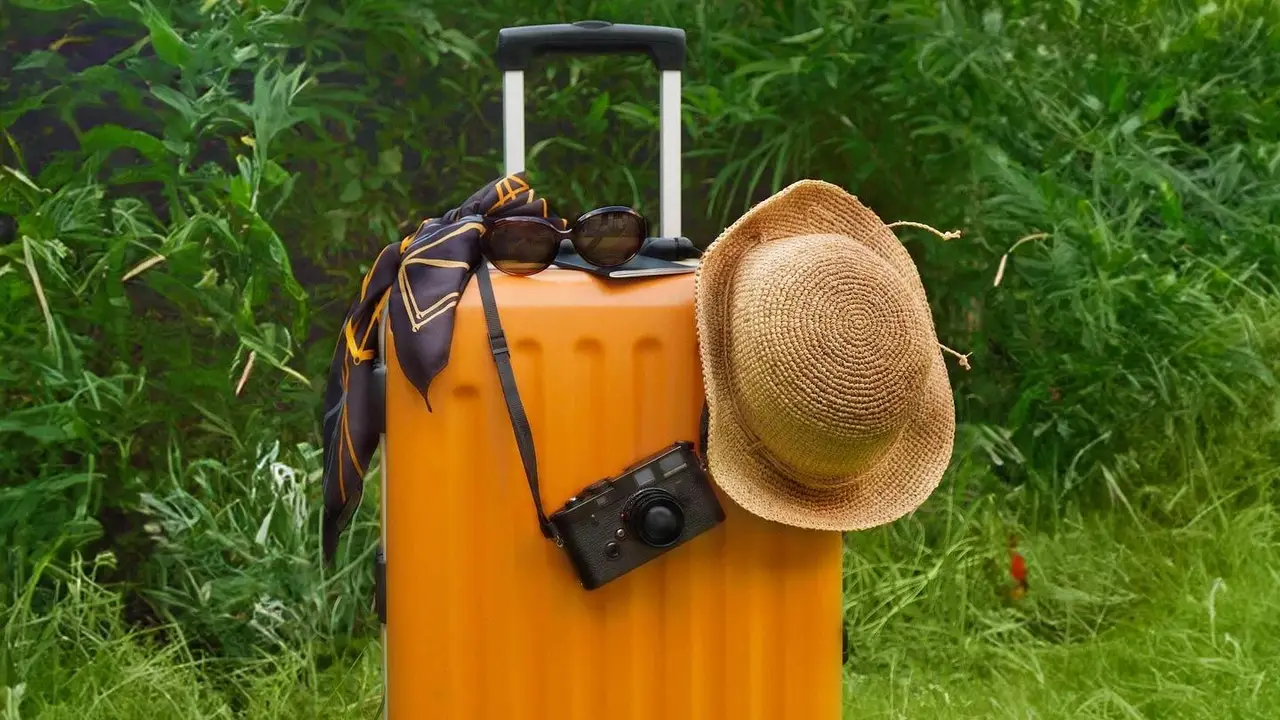
The 7kg limit is a game of grams, and your bag is the first place you can save precious weight. Many rolling carry-on suitcases weigh between 2-3kg before you even pack a single sock. Opt for an ultra-lightweight backpack or a soft-sided roller that weighs
under 2kg. This choice immediately gives you more allowance for what truly matters: your clothing and gear. Before you pack, weigh your empty bag to know exactly how much capacity you have to work with. This simple first step is the most critical for staying under the strict weight limits imposed by many low-cost carriers.
Rethink Your Rain Gear: Packable and Powerful
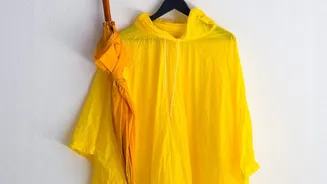
A bulky raincoat is a carry-on killer. Modern technology offers better solutions. Invest in a high-quality, 'packable' waterproof jacket. Look for materials like Gore-Tex Paclite or proprietary technologies like The North Face's FUTURELIGHT, which are designed to be extremely lightweight, breathable, and compressible. A good packable rain jacket can fold down to the size of an apple and weigh very little, offering serious protection without the bulk. For full-body protection, consider adding a pair of packable rain pants, which are invaluable for days with heavy downpours and can be layered over regular trousers.
Embrace Versatility with a Capsule Wardrobe
The secret to packing light is choosing items that work hard. A capsule wardrobe built on a cohesive colour palette ensures everything mixes and matches, maximizing your outfit combinations. For a seven-day trip, a good rule of thumb is the 3-3-3 method: three tops, three bottoms, and three sets of socks and underwear. For a rainy climate, focus on fabrics that perform well in damp conditions. Merino wool is a traveller's best friend; it’s lightweight, regulates temperature, wicks moisture, and resists odour, meaning you can wear it multiple times without washing. Synthetics that dry quickly are also excellent choices. Avoid heavy cotton like denim, which takes a long time to dry and is bulky.
Master the Art of Layering
Instead of a single heavy sweater or fleece, pack multiple thin layers. A layering system gives you the flexibility to adapt to changing temperatures throughout the day. A typical system includes a base layer (like a merino t-shirt), a mid-layer for warmth (such as a thin, packable down jacket or a lightweight fleece), and your waterproof shell as the outer layer. This combination can keep you warm and dry in surprisingly cold and wet conditions, yet each piece is individually light and takes up minimal space in your bag. You can also wear your bulkiest items, like your jacket and any boots, on the plane to save space and weight in your luggage.
Use Packing Cubes and Solid Toiletries
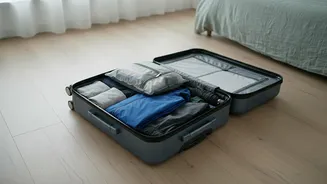
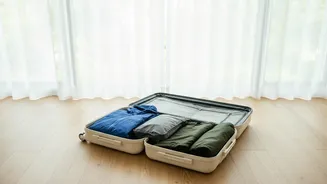
Packing cubes are non-negotiable for maximizing space. They compress your clothes, keeping your bag organised and making it easy to find what you need without unpacking everything. Roll your clothes tightly before placing them in the cubes to save even more space. Another major source of weight is toiletries. Switch from liquids to solids wherever possible. Solid shampoo bars, conditioner bars, and toothpaste tablets eliminate the need for bulky 100ml bottles and remove the risk of leaks. A solid deodorant and a small first-aid kit can round out your toiletry bag without adding significant weight.
Limit Your Footwear and Accessories
Shoes are often the heaviest items in a suitcase. For a week-long rainy trip, you only need two pairs. The first should be a comfortable, waterproof pair of boots or shoes that you can wear for walking all day. Wear this pair on the plane. The second pair can be a lightweight, versatile shoe for evenings or drier moments. Similarly, choose accessories that serve a purpose. A waterproof backpack cover can protect your bag and its contents during a downpour, while waterproof gloves or even waterproof socks can be trip-savers in truly wet weather without adding much weight.