




The Science of Shrinking
Travel vacuum bags are essentially airtight plastic bags designed to have the air removed from them, compressing the contents within. They come in two main types: those that require a small, often portable pump (electric or hand-operated), and simpler
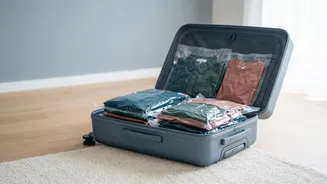
roll-up bags where you manually push the air out through a one-way valve. The principle is simple: by removing the trapped air from soft, bulky items like sweaters, jackets, and towels, you drastically reduce their volume. It’s not uncommon for these bags to shrink clothing volume by 50% or more, turning a puffy jacket into a dense, flat panel that slides easily into your luggage.
The Critical Rule: Volume, Not Weight
Here is the most important fact every traveller must understand: vacuum bags reduce volume, not weight. The clothes inside still weigh exactly the same. While removing air does technically reduce the mass by a few grams, it's a negligible amount that makes no difference on an airline's scale. This distinction is crucial when dealing with a strict 7kg limit. The bags allow you to fit more items into your carry-on, but this also makes it dangerously easy to overpack and exceed the weight allowance. A compressed bag of clothes becomes a dense, heavy brick. Therefore, the primary benefit is in managing bulky items, not in enabling you to carry more overall weight.
What to Pack and What to Skip
To use vacuum bags effectively, you need to be strategic. They are perfect for bulky, resilient items that take up significant space. Think puffer jackets, fleece sweaters, hoodies, and thick woollens. Everyday items like cotton t-shirts, socks, and underwear also compress well. However, some items should never be compressed. Avoid packing delicate fabrics like silk, or structured garments like blazers and anything with beads or sequins, as the intense pressure can cause permanent wrinkles and damage. Leather and suede are also off-limits. For items like down jackets, compression is fine for a short trip, but long-term storage under vacuum can damage the filling.
A Step-by-Step Guide to Smart Compression
Using the bags correctly is key to avoiding frustration and ensuring a good seal. First, neatly fold or roll your clothes; this helps minimize wrinkles and allows for more even compression. Place the items inside the bag, being careful not to overstuff it past the designated fill line. Securely close the double-zip seal, running your fingers over it a few times to ensure it’s completely airtight—this is the most common point of failure. Next, remove the air. If using a pump, attach it to the valve and let it work. If using a roll-up bag, start from the zipper end and roll tightly towards the bottom, forcing the air out of the one-way valves. Once compressed, stack the flat, solid panels inside your suitcase to maximize organization.
The Downsides and How to Manage Them
While transformative, vacuum bags aren't without drawbacks. The most common complaint is wrinkles. While folding neatly helps, some creasing is inevitable with heavy compression. Another issue is the need for a pump with some systems, which is one more item to pack. Forgetting the pump at your hotel could make repacking for the return journey impossible. This is why many travellers prefer pump-free roll-up bags, even if the compression is slightly less effective. Finally, remember that airport security may ask you to open a compressed bag for inspection. Having a portable pump or using a roll-up bag makes it easier to reseal your belongings after a check.