



Waterproof and Quick-Dry Clothing
The golden rule for monsoon trekking is to avoid cotton at all costs. Cotton absorbs moisture, gets heavy, and takes a very long time to dry in the high humidity, leaving you feeling cold and uncomfortable. Instead, opt for synthetic fabrics like polyester
and nylon for your t-shirts and trekking pants. These materials wick moisture away from your skin and dry significantly faster. Pack at least two sets of trekking clothes: one to wear and get wet in, and another spare set kept sealed in a waterproof bag. A lightweight, breathable waterproof jacket is non-negotiable, and a poncho that can cover you and your backpack offers excellent protection during heavy downpours.
The Right Footwear for Slippery Trails
Your choice of footwear can make or break your trip. The terrain in the Western Ghats, often composed of volcanic basalt rock, becomes extremely slippery when wet and covered in moss. Standard sneakers or canvas shoes are dangerous. You need trekking shoes with soft rubber soles and deep lugs that provide a strong grip on wet surfaces. High-ankle shoes are recommended as they offer support and can help prevent ankle twists on uneven ground. While waterproof shoes sound ideal, many experienced trekkers prefer quick-drying trail shoes with good drainage, as water will inevitably get in during heavy rain or stream crossings. The priority is grip and stability.
Leech Protection and First-Aid
Monsoon is peak season for leeches in the dense forests of the Ghats. While their bites are generally harmless, they can cause panic and discomfort. The best defence is prevention. Wear leech-proof socks, which are long socks that you can pull up to your knees, or tuck your full-length trekking pants securely into a double layer of regular socks. Some locals use remedies like applying a mix of tobacco and oil, but physical barriers are most effective. Your first-aid kit should be tailored for a monsoon trek, including antiseptic wipes, bandages for cuts, blister pads, and any personal medications. It's also wise to carry an antiseptic to clean any leech bites after removal, as minor cuts can get infected in tropical climates.
Waterproof Your Gear
Assume everything can and will get wet. The single most important packing strategy is to compartmentalise and waterproof your belongings. Your backpack must have a reliable rain cover. However, this isn't enough. Use internal dry bags or even simple plastic bags to protect your most important items: a spare set of clothes, electronics, and food. Your phone, wallet, power bank, and any necessary documents should be kept in a small, dedicated waterproof pouch that is easily accessible. This strategy ensures that even if your main bag gets damp, your essential gear remains perfectly dry.
Essential Electronics and Navigation
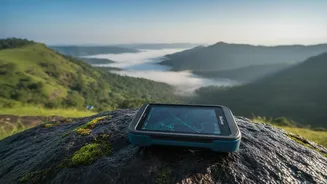
The remote nature of many trekking spots means you can't rely on finding a charging point. A fully charged power bank is an absolute necessity to keep your phone and other devices powered, especially for navigation and emergencies. Additionally, daylight can be limited on overcast days, and mist can reduce visibility significantly. A reliable headlamp or a small torch is crucial, particularly if your trek extends into the late afternoon or if you're staying overnight. Avoid relying solely on your phone's torch to conserve its battery for communication.
Hydration and Energy
Trekking in high humidity can be deceivingly dehydrating. It's essential to carry at least two litres of water. A reusable water bottle is a must, and if you plan on refilling from streams, carrying a water purifier or purification tablets is a wise precaution. Along with water, pack high-energy snacks that are easy to eat on the go. Items like nuts, dried fruits, energy bars, and chocolates provide a quick fuel boost to keep your energy levels up on the trail.