





Gravity as a Curve in Spacetime
To understand how a black hole can warp time, we have to go back to Albert Einstein and his groundbreaking theory of general relativity. Before Einstein, we thought of gravity as a force, like a cosmic string pulling objects toward each other. But Einstein offered
a revolutionary new picture. He proposed that space and time are not separate but are woven together into a single, four-dimensional fabric called spacetime. Massive objects don't pull on other objects; instead, they bend and curve this fabric. Imagine placing a heavy bowling ball on a stretched-out rubber sheet. The ball creates a dip in the sheet. Now, if you roll a marble nearby, it won't be pulled by the ball but will follow the curve the ball has created. This is Einstein's vision of gravity: a consequence of the geometry of spacetime. Every object with mass, from a planet to a star, creates its own gravitational dimple. [5, 23]
A Wrinkle in Time We Can Measure
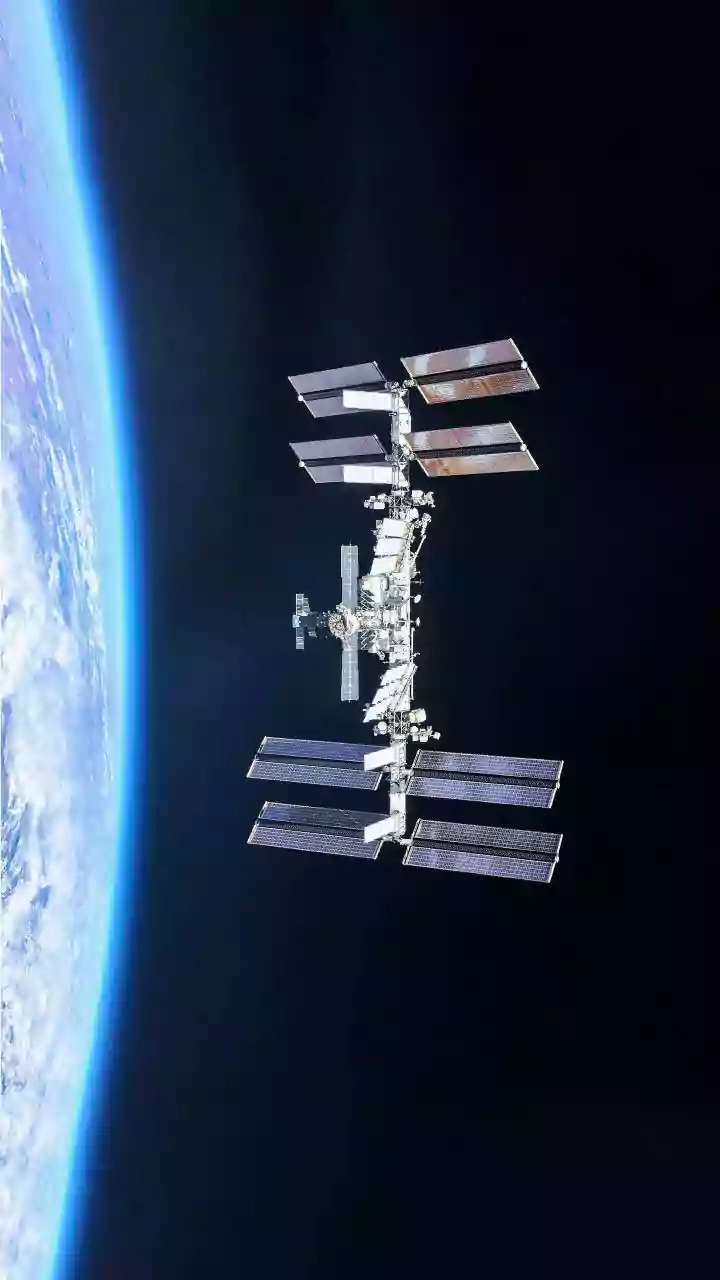
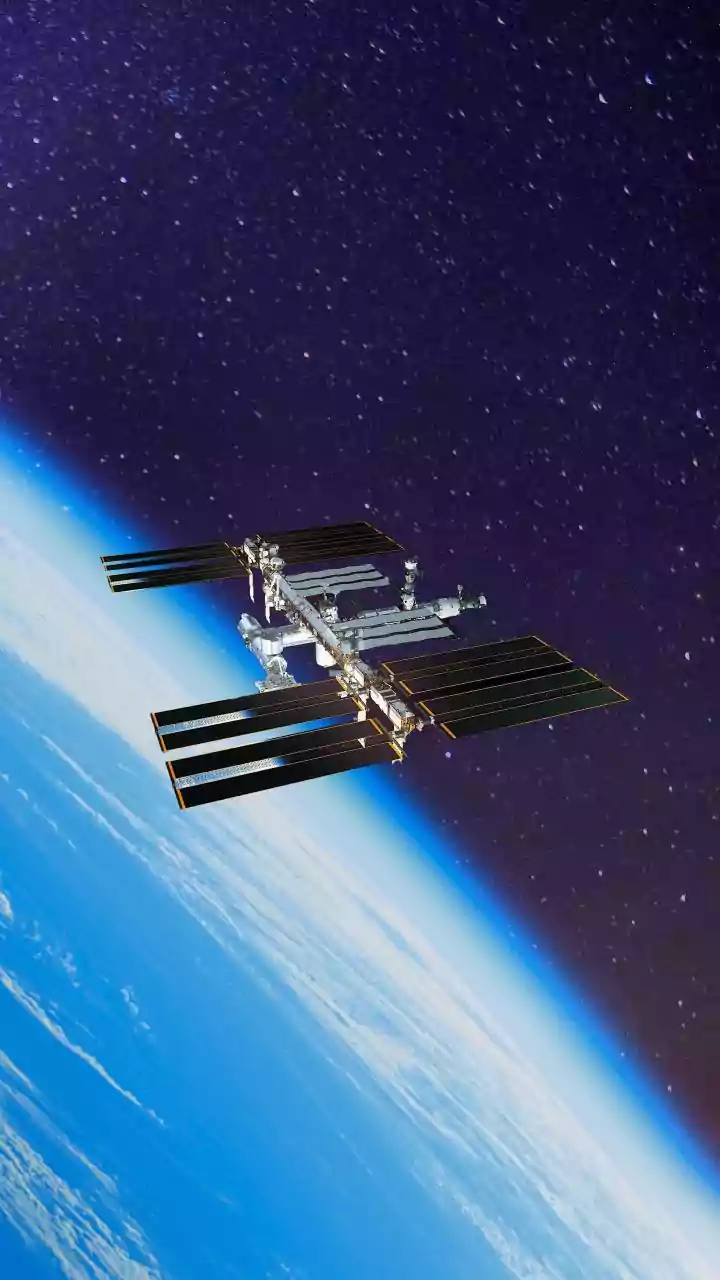
One of the most profound consequences of spacetime being curved is a phenomenon called gravitational time dilation. In simple terms, the stronger the gravity, the slower time passes. [4, 15] This isn't just a theoretical idea; it's a measurable reality that affects our daily lives. The Global Positioning System (GPS) in our phones and cars relies on a network of satellites orbiting Earth. These satellites are in a region of slightly weaker gravity than we are on the surface. Because of this, their internal clocks actually run faster than clocks on the ground. [9, 17, 20] If engineers didn't account for this relativistic effect—a difference of about 38 microseconds per day—GPS navigation would fail, with errors accumulating to several kilometers within a single day. [20] So, the next time you use a map on your phone, you're relying on Einstein's discovery that time is relative.
The Ultimate Cosmic Slow-Down
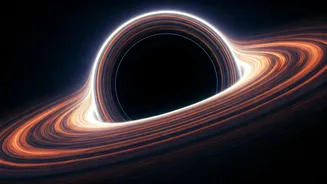
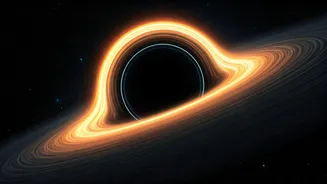
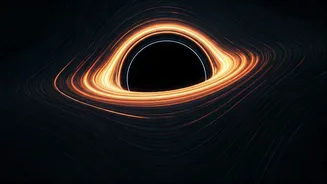
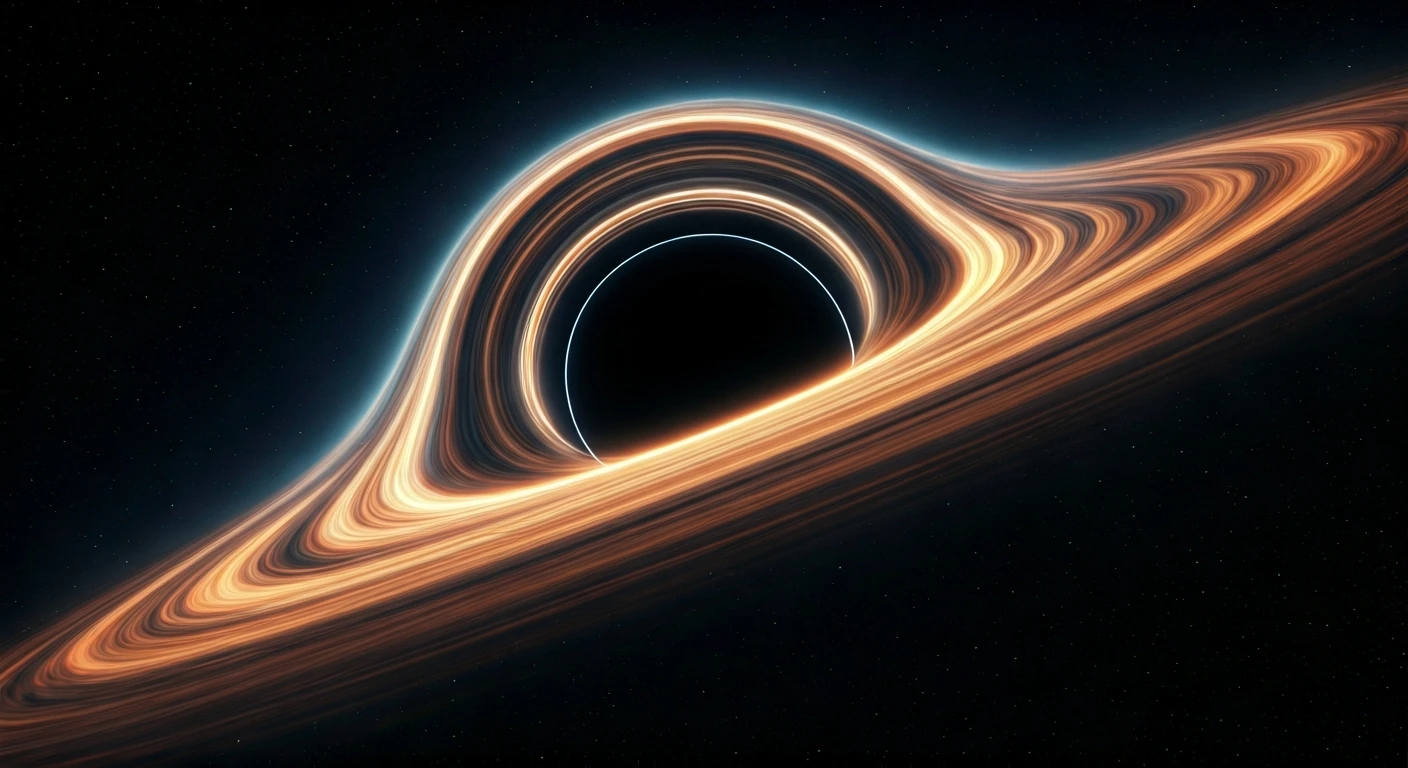
If the gentle gravity of Earth causes a noticeable time difference, imagine what happens near a black hole. A black hole is what remains when a massive star collapses under its own weight, compressing an immense amount of matter into an incredibly small space. [8] The result is a gravitational field so intense that it creates a 'bottomless pit' in the fabric of spacetime. [23] The gravitational pull is so powerful that once you cross a certain boundary, known as the event horizon, there is no escape—not even for light. [2, 7] As you get closer to this point of no return, the curvature of spacetime becomes extreme, and the effects of gravitational time dilation are magnified to an astonishing degree. [16] Time in the vicinity of a black hole passes far, far slower than it does for an observer far away.
Frozen at the Edge of Forever
Let's imagine a brave (and hypothetical) astronaut journeying toward a black hole. From the perspective of a distant observer—say, watching through a powerful telescope from a safe distance—something truly strange would happen. As the astronaut's ship approaches the event horizon, it would appear to slow down. The closer it gets, the slower its progress seems, as if it's moving through cosmic molasses. [13] The light from the ship would become redder and dimmer. Eventually, as it reaches the event horizon, the ship would appear to freeze completely, locked in time for all eternity. [1, 16] The observer would never actually see the ship cross the boundary; it would just seem to fade away as it becomes infinitely time-dilated.
A One-Way Trip Into the Future
For the astronaut inside the ship, however, the experience would be entirely different. From their point of view, their clock would tick normally, one second at a time. [14] They would feel no immediate change as they cross the event horizon, which is not a physical barrier but simply a point of no return in spacetime. [2] But if they could look back out at the distant universe, they would witness a spectacular and terrifying sight: the entire future of the cosmos flashing before their eyes. Because time is passing so slowly for them relative to everyone else, millennia could pass in the outside universe for every minute of their own experience. They would be taking a one-way trip not just into a black hole, but into the far-flung future of everything else.