
Why Mixing Styles Works for Indian Homes
Indian homes are often a natural blend of eras and influences. You might have a sturdy wooden heirloom piece from your grandparents, a sleek sofa you bought last year, and a collection of brass decor from your travels. This inherent diversity is a strength.
An eclectic approach allows you to celebrate these different pieces rather than forcing them into one rigid style. The goal isn't to create a showroom, but a home that tells your personal story. By thoughtfully combining elements like traditional carvings with modern clean lines, you can achieve a space that feels layered, warm, and full of character.
Start With a Dominant Style: The 80/20 Rule
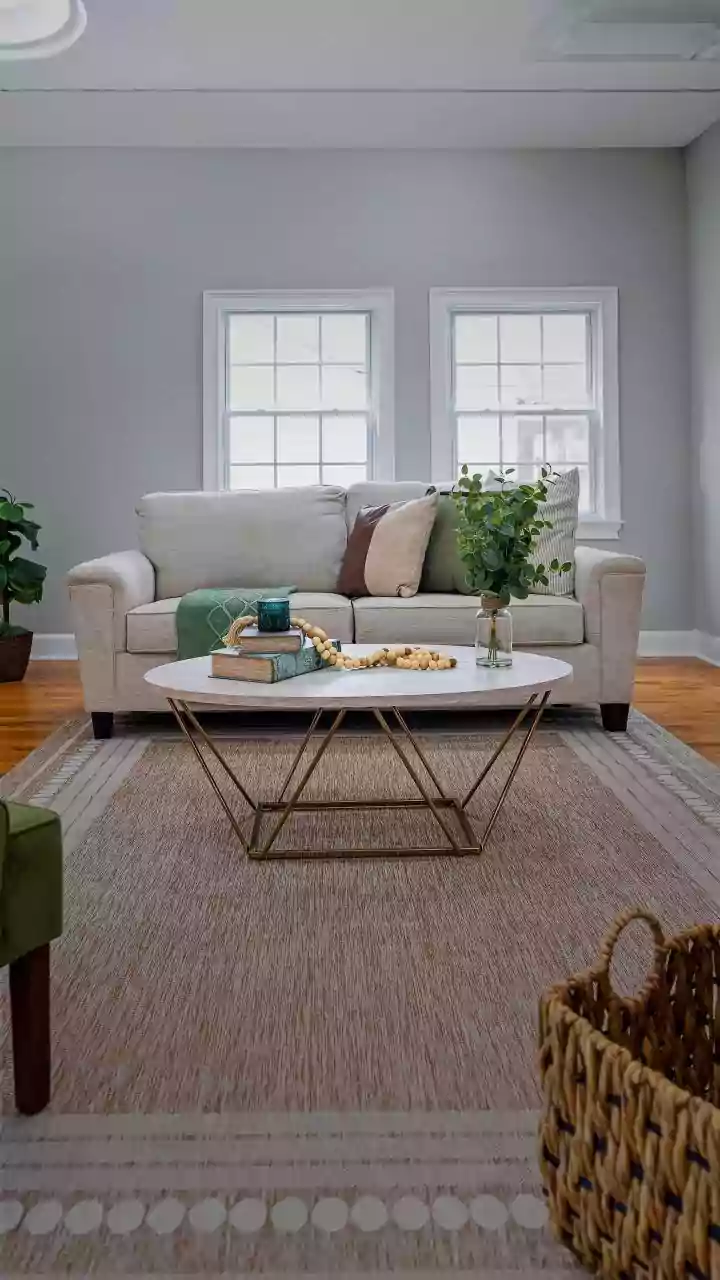
The key to mixing styles without creating chaos is to establish a clear foundation. This is where the 80/20 rule comes in handy, a guideline many interior designers swear by. The idea is to have one dominant style account for about 80% of your room. This applies to your largest and most significant pieces, like your sofa, main bed frame, or wall colour. The remaining 20% is where you can play and introduce a secondary, contrasting style. For instance, if your living room is largely contemporary (the 80%), you could add traditional Indian touches through a carved wooden chest used as a coffee table or vibrant block-printed cushions (the 20%). This ensures the room feels grounded and intentional, not random.
Find a Common Thread to Unify the Space
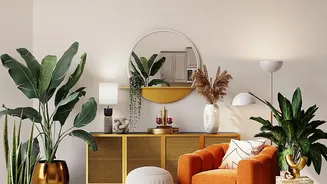
Even with different styles, your furniture pieces should feel like they're in conversation with one another. A unifying element can act as the 'thread' that ties everything together. This could be a consistent colour palette, a repeated material, or a similar shape. For example, a modern metal-frame chair can coexist beautifully with a traditional wooden console if they both share brass accents. You could also use colour to your advantage. A neutral colour on the walls provides a versatile backdrop for furniture of various styles. Alternatively, accessories like rugs, cushions, and curtains in a consistent colour family can bring harmony to a diverse collection of furniture.
Blending Old and New Indian Pieces
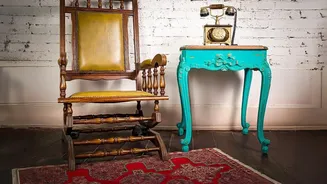
One of the most rewarding aspects of this approach is integrating heritage pieces into a modern setting. That antique 'jhoola' (swing), solid teak cabinet, or set of colonial-era chairs doesn't need to be hidden away. In a contemporary living room, a traditional swing can become a stunning focal point. A vintage wooden trunk can serve as a unique coffee table, adding texture and history to the room. The trick is to create a dialogue between the old and the new. Juxtapose the intricate details of a Pattachitra painting with a minimalist sofa, or pair a modern bed frame with a colourful Kantha quilt. This contrast is what brings visual interest and a sense of soulfulness to a space.
Mind the Scale and Avoid Clutter
Mixing styles is not an excuse for clutter. In fact, for an eclectic look to succeed, a sense of balance and proportion is crucial. Ensure your furniture pieces are of a compatible scale. A massive, overstuffed traditional sofa might visually overpower a delicate, modern side table, creating an unsettling imbalance. Try to keep the visual weight of items in balance. Similarly, it's important to allow for negative space, or 'breathing room', in your design. An eclectic room should feel curated and intentional, not messy. Every piece should have a purpose and the space to be appreciated, preventing your home from looking like a crowded antique shop.