





The Science of Post-Shower Skin
A warm shower can feel like the perfect antidote to a cold day, but it has a paradoxical effect on your skin. Hot water and cleansers strip away your skin's natural oils, which act as a protective barrier to keep moisture in. As soon as you step out of
the shower, the water on your skin's surface begins to evaporate. This process, known as transepidermal water loss (TEWL), actually draws moisture out from the deeper layers of your skin, leaving it feeling tighter and drier than before you washed. Studies show that skin hydration levels drop rapidly within minutes of bathing. This is why simply getting your skin wet isn't enough to hydrate it; you have to take action to trap that moisture before it disappears.
The Golden Window for Moisturising
Dermatologists widely recommend what is often called the 'three-minute rule'. This isn't a strict countdown, but rather a guideline emphasizing the importance of applying moisturizer to damp skin almost immediately after patting yourself dry with a towel. When your skin is still slightly damp, its pores are more receptive, and there is a layer of moisture ready to be locked in. Applying a moisturiser during this brief window creates a protective, or occlusive, barrier on the skin's surface. This barrier significantly slows down the process of transepidermal water loss, effectively sealing in the hydration from your shower and keeping your skin soft and supple for longer. If you wait until your skin is completely dry, you’ve missed the prime opportunity to trap that surface water.
Choosing Your Winter Moisturiser
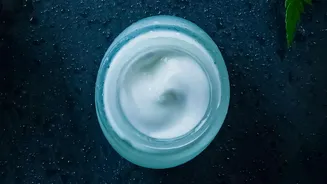
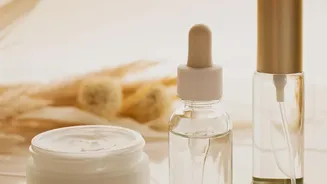
Not all moisturisers are created equal, especially when it comes to combating harsh winter conditions. For optimal hydration, look for products that contain a mix of three key types of ingredients: humectants, emollients, and occlusives. Humectants, like hyaluronic acid and glycerin, are 'water magnets' that attract moisture to the skin. Emollients, such as shea butter, ceramides, and lanolin, work by filling in the gaps between skin cells, which helps to soften the skin and repair its barrier. Occlusives, including petrolatum and dimethicone, form a physical barrier on the skin to prevent moisture from escaping. In winter, it's often best to switch from lightweight lotions to thicker creams and ointments, as they typically provide a more robust and lasting barrier against the dry air.
The Right Way to Apply
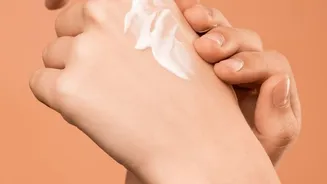
How you apply your moisturiser matters. After your shower, gently pat your skin with a towel rather than rubbing it vigorously, as friction can cause irritation. Leave your skin slightly damp. While your skin is in this state, apply a generous amount of your chosen cream or ointment. Warm the product between your palms first to help it spread more easily. Massage it into your skin using gentle, upward strokes. Pay special attention to areas that are prone to extreme dryness, such as your elbows, knees, feet, and hands. Make this a consistent habit every time you wash, not just when your skin already feels dry. Consistency is what builds and maintains a healthy, resilient skin barrier throughout the season.
Beyond Just Moisturising
While locking in moisture after a shower is a game changer, a few other habits can amplify the benefits. Try to use lukewarm water instead of hot water for your showers and baths, and limit them to around five to ten minutes to prevent excessively stripping your skin's natural oils. Opt for gentle, fragrance free cleansers that won't disrupt your skin's barrier. Placing a humidifier in your bedroom or primary living space can also add much needed moisture back into the dry indoor air, providing another layer of support for your skin. And don't forget to hydrate from the inside out by drinking plenty of water throughout the day.