


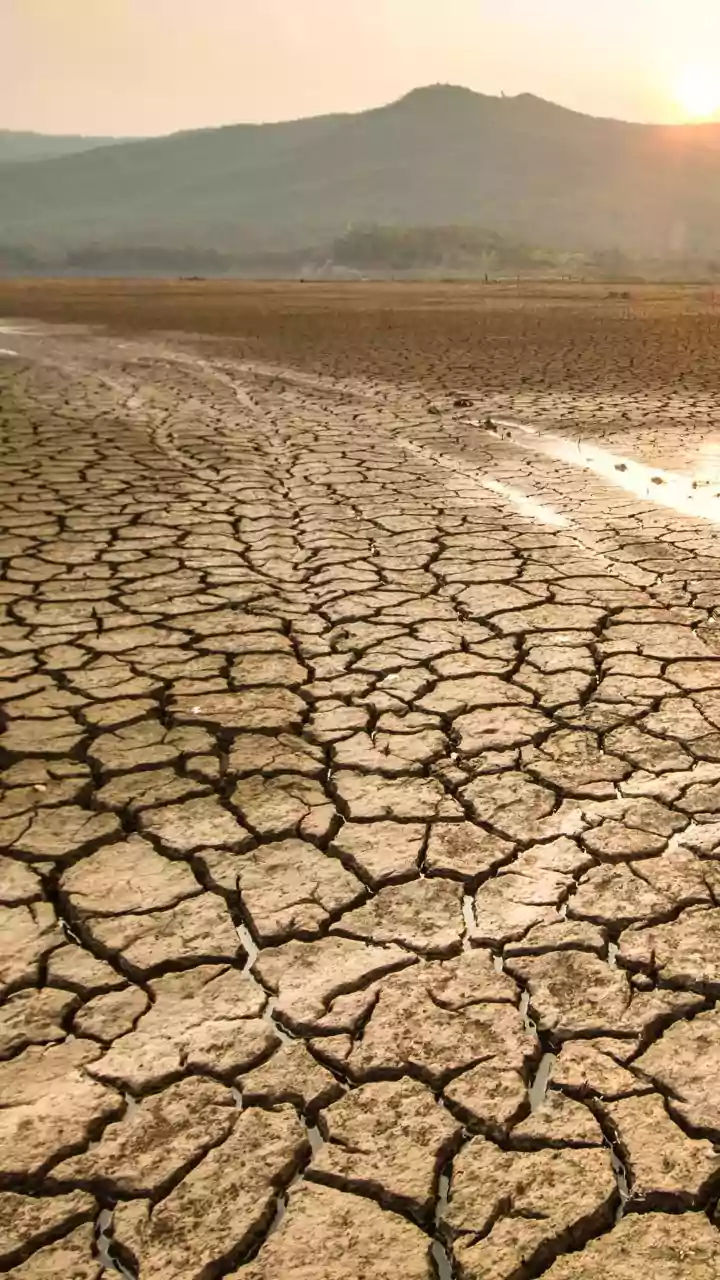



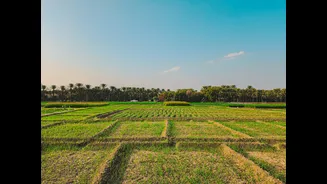
An Erratic and Deficient Monsoon
The 2026 southwest monsoon season, which provides the bulk of India's annual rainfall, has been officially below average. Early forecasts citing a developing El Niño phenomenon proved accurate, with the country recording a significant rainfall deficit.
By the end of September, the monsoon was the weakest since 2015, with overall rainfall at just 87% of the long-period average. More critically, the distribution has been uneven, with some of the most important pulse-growing regions in states like Karnataka and Maharashtra facing prolonged dry spells and significant moisture stress. This patchiness, with some areas facing drought while others see floods, has created major uncertainty for rain-fed agriculture, which is how most pulses are grown.
Kharif Sowing and Production Worries
The poor monsoon has had a direct impact on the sowing of Kharif (summer) crops. While the overall acreage for pulses has seen a slight increase compared to last year, this headline number masks regional disparities and concerns about yield. Early in the season, sowing of key pulses like tur (arhar or pigeon pea) and urad (black gram) lagged significantly due to the delayed onset and poor spread of rainfall. Though sowing picked up later, the initial moisture deficit and subsequent dry spells during crucial growth stages mean the final output is likely to be lower than government targets. Rating agency ICRA has already downgraded its forecast for agricultural growth, citing the poor monsoon's impact on Kharif sowing and depleted reservoir levels that also threaten the upcoming Rabi (winter) crop season.
The Turn to Imports
With domestic production under a cloud, India is leaning more heavily on imports to bridge the supply-demand gap and stabilize prices. India is the world's largest consumer and importer of pulses, and this year is no exception. The government has already made imports of tur and urad duty-free until March 2027 to ensure a steady supply. These pulses are primarily sourced from countries like Myanmar, Brazil, and nations in East Africa. Furthermore, to manage potential shortages in other pulses, the government is considering lowering import duties on lentils (masoor) and yellow peas, which are largely imported from Canada, Australia, and Russia. Analysts predict that total pulse imports for the year could exceed 6 million tonnes, with some estimates suggesting they could rise to 10-12 million tonnes in the coming years to meet growing domestic demand.
What It Means for Your Kitchen Budget
For the average household, this sequence of events—poor monsoon, lower production, higher imports—translates directly to pressure on the kitchen budget. The prices of essential pulses like tur and urad have already been firm and are showing an upward trend. According to data from the Department of Consumer Affairs, as of early October 2026, the all-India average retail price for Tur/Arhar dal was approximately ₹124.82 per kg, a notable increase from ₹114.05 a year ago. Similarly, Urad dal was priced at around ₹122.57 per kg, up from ₹113.39 the previous year. With festive season demand adding further pressure, these prices could remain elevated in the coming months as the full impact of the weak Kharif harvest is felt in the market.
The Government's Balancing Act
The government faces a delicate balancing act: ensuring that dal remains affordable for consumers without depressing prices so much that it hurts domestic farmers. On one hand, it is using import policies to boost supply and control food inflation. On the other, it continues to procure pulses from farmers at Minimum Support Prices (MSP) to protect them from market crashes. Authorities are also encouraging farmers in water-stressed regions to shift from water-intensive crops to pulses and oilseeds for the upcoming Rabi season, a strategy aimed at mitigating future risks. These measures highlight the challenge of managing food security in the face of increasingly unpredictable weather patterns.