







Why Is Mumbai So Vulnerable?
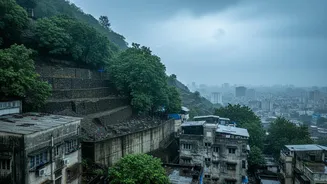
Mumbai's unique geography and intense urbanisation create a perfect storm for landslides. The city is built on and around hilly terrain, particularly in areas like Ghatkopar, Malabar Hill, and regions bordering the Sanjay Gandhi National Park. These slopes,
comprised of basalt rock and soil, are put under immense pressure during the monsoon. Intense and prolonged rainfall saturates the ground, increasing its weight and reducing the friction that holds soil and rock in place. Compounding this natural vulnerability is human activity. Unchecked construction, deforestation for settlements, and the cutting of slopes for roads and buildings remove the natural support and vegetation that help bind the soil. This interference with the natural landscape, combined with increasingly extreme rainfall events, makes slope failures in certain parts of the city almost inevitable, according to experts.
Early Warning Signs To Watch For
A landslide rarely happens without giving some warning. Being vigilant and knowing what to look for around your property and neighbourhood can provide you with crucial time to act. Pay close attention to changes in the landscape. One of the most common signs is the appearance of new cracks in the ground, on retaining walls, or on paved surfaces like driveways. Another key indicator is water behaving unusually. This could mean water seeping from the ground in new spots, a sudden increase or decrease in water flow in nearby streams, or water changing from clear to muddy. Also, listen for unusual sounds like trees cracking, boulders knocking together, or a faint rumbling that seems to be getting louder. These sounds could indicate that debris is already in motion.
Simple Checks Inside Your Home
Your own home can offer clues that the ground beneath it is shifting. If doors or windows that previously operated smoothly suddenly start to stick or jam for the first time, it could be a sign that the building's frame is being warped by ground movement. Similarly, new cracks appearing in plaster, tiles, brickwork, or especially in your building's foundation are a major red flag. Look for outside walls, stairs, or walkways that appear to be pulling away from the main building. While a small crack can have many causes, a new, growing, or widening crack should be treated as a serious warning sign that warrants immediate attention and potentially a professional assessment.
Checks For Your Building and Surroundings
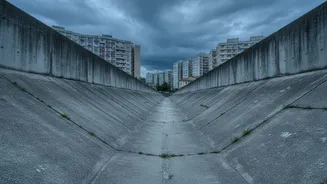
Step outside and observe the area around your building. Look for leaning utility poles, tilting trees, or fences that are no longer upright. This indicates slow-moving ground shifts. At the base of any nearby slope, watch for any new, bulging ground, which suggests that earth is being pushed outwards from above. Drainage is another critical factor. Ensure that storm-water drainage channels around your property are clear of debris. Blocked drains cause water to pool and saturate the soil, significantly increasing landslide risk. Do not allow surface water to collect on slopes; it should be directed towards safe drainage paths. If you live in an informal settlement on or near a slope, be especially vigilant, as these structures are often disproportionately vulnerable.
What To Do If You Spot a Danger Sign
If you see any of the warning signs, especially multiple signs appearing after heavy rain, you must act immediately. Do not wait. Your first action should be to alert your neighbours and contact your local ward office or the Brihanmumbai Municipal Corporation's (BMC) disaster management cell. Follow all instructions from local authorities. If they issue an evacuation order, do not hesitate. Move away from the potential path of the slide as quickly as possible, preferably to higher ground. Avoid river valleys and low-lying areas, as they can quickly fill with debris. If you are unable to escape a fast-moving slide, find the sturdiest shelter you can, get under a strong piece of furniture, and curl into a tight ball to protect your head.