

Decoding the 'Pet-Safe' Promise
The terms "pet-safe," "natural," and "green" on cleaning products are often part of a marketing strategy known as "greenwashing." These labels are not strictly regulated, meaning they don't guarantee a product is free from harmful substances. A product can
be labelled "natural" even if only a small percentage of its ingredients are plant-derived. Pets are uniquely vulnerable because they live their lives close to the ground. They walk on freshly cleaned surfaces, then lick their paws. They nap on tiles and inhale any lingering fumes. This constant, close contact makes the residue left behind by cleaners a significant concern. Cats are especially sensitive, as their livers lack certain enzymes to process compounds that are harmless to humans or even dogs.
The Toxic Ingredient Watchlist
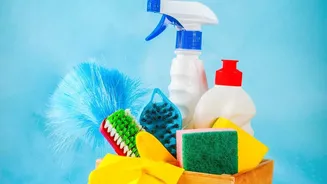
Knowing which ingredients to avoid is your first line of defense. Many common disinfectants and cleaners contain chemicals that can be toxic to animals. Key culprits include ammonia, bleach (sodium hypochlorite), chlorine, phenols, and quaternary ammonium compounds (quats). Ammonia, found in many glass and multi-surface cleaners, can irritate your pet's respiratory system. Phenols, often used in disinfectants with a pine scent, are particularly dangerous for cats. Phthalates, used to create synthetic fragrances, are another chemical to watch out for. What seems like a pleasant "fresh scent" to you can be an overwhelming chemical assault for an animal with a sense of smell thousands of times more powerful than yours. If exposure occurs, pets may show signs like drooling, vomiting, lethargy, or respiratory distress.
Safe Handling Is Non-Negotiable
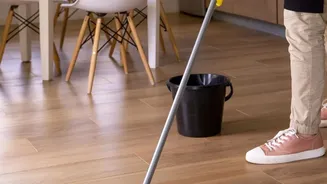
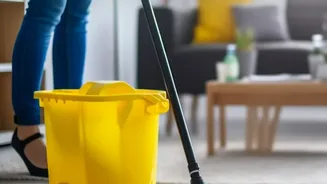
Even with a seemingly safe product, your cleaning technique is what truly protects your pet. The most important rule is to keep your pets out of the room while you are cleaning and until all surfaces are completely dry. This prevents them from walking through wet chemicals and either absorbing them through their paws or ingesting them during grooming. Good ventilation is also crucial. Open windows and use fans to help fumes dissipate quickly. When you're finished mopping with a cleaning solution, consider doing a second pass with plain water. This helps rinse away any lingering chemical residue, ensuring what's left on the floor is nothing at all. Finally, always store cleaning products securely in a place your pets cannot access.
The DIY Alternative: Simple and Safe
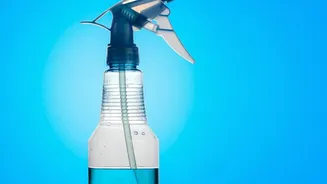
For complete peace of mind, you can easily make your own effective and inexpensive floor cleaner. The most widely recommended solution is a simple mixture of equal parts white vinegar and water. This combination is effective at cutting through grime on most floor types, including ceramic tile, vinyl, and sealed wood. For a bit more cleaning power, you can add a few drops of a natural, plant-based liquid soap like castile soap. Another household staple, baking soda, is excellent for scrubbing tough spots and absorbing odours without posing a threat to your pets. However, be cautious with essential oils; while they may seem like a natural way to add scent, many are toxic to pets, especially cats. If you do use them, ensure they are proven to be safe for your specific animal.