





What Exactly is Changing?
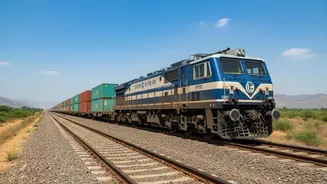
In a significant move effective from August 1, 2026, Indian Railways has rationalized its freight tariff structure, particularly for essential goods like food grains, flours, and pulses. Instead of a complex, multi-layered system, the new model is a more
straightforward distance-based pricing scheme. For transporting food grains, for example, the rate for distances beyond 1,000 kilometers has been reduced to ₹1.15 per tonne-kilometre from a previous rate of ₹1.55. While this sounds like a price cut, the 'rationalization' involves simplifying and standardizing rates across various commodities and distances. This shift aims to make long-distance bulk hauling more predictable and encourage a shift from road to rail, but the net effect on different goods and routes will vary. The goal is to create a more efficient and competitive logistics network, but any change to this fundamental economic artery has widespread consequences.
The Impact on Your Food Bill
The most immediate concern for households is the price of essential food items. Transporting food grains, pulses, and fertilizers is a core function of the rail network. The recent tariff rationalization for food grains is designed to make long-distance transport more economical, which could help stabilize market prices for items like wheat and rice. Officials hope that lower, more predictable rail freight costs will be a direct benefit to farmers, traders, and ultimately, consumers by reducing transportation expenses. However, the final price on the shelf depends on more than just the base freight rate. It includes handling, last-mile connectivity by road, and traders' margins. While the intent is to ease inflationary pressure, consumers will need to watch if these potential savings on long-haul routes are passed on or absorbed by other rising costs in the supply chain.
The Fuel and Energy Connection
Railways are critical for moving fuel and energy sources across the country, especially coal for thermal power plants. In July 2026, Indian Railways significantly increased its domestic coal supply to power plants by 20% compared to the previous year, highlighting its role in energy security. Changes in freight costs for coal can directly influence the cost of electricity generation. If power plants pay more for transport, that cost is often passed on to industrial and residential consumers. Conversely, any efficiencies gained can help temper energy price hikes. The relationship also works in reverse: as diesel prices for road transport rise, rail becomes a more attractive and cost-effective option for moving goods, including petroleum products. This creates a dynamic where rail freight efficiency can act as a buffer against volatile road transport costs, potentially blunting the impact of fuel price hikes on the broader economy.
Industrial Movement and Production Costs
For heavy industries like steel and cement, rail transport is not a choice but a necessity. These sectors rely on railways to move millions of tonnes of raw materials and finished goods. Rail is significantly cheaper per tonne-kilometre than road for bulk materials. Recent policy changes have aimed to make rail even more competitive for commodities like cement, with the stated goal of lowering the delivered cost and supporting sectors like affordable housing. For instance, a recent surge in cement freight by rail was seen as a way to offset rising road transport costs driven by high fuel prices. However, industries often face challenges with rail, such as unpredictable rake availability and poor last-mile connectivity, which keeps them reliant on more expensive road transport. The success of any freight rate adjustment depends on whether it's paired with operational improvements that make rail a more reliable option for India's industrial backbone.