






Master the Soil and Drainage
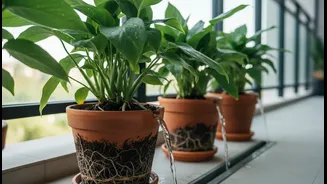
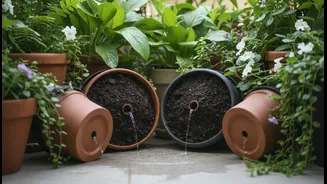
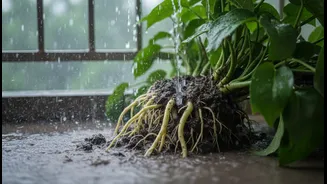
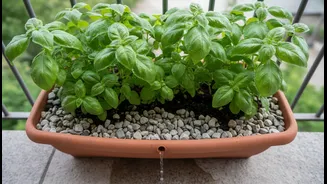
The foundation of monsoon plant care is excellent drainage. Heavy rains can quickly waterlog pots, suffocating roots and inviting fungus. Before the monsoon sets in, ensure every pot has multiple, clear drainage holes. If a pot's holes are blocked, clear them.
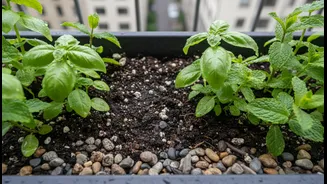
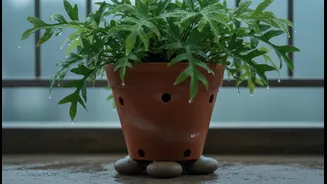
Using a well-draining potting mix is crucial. Avoid heavy garden soil, which compacts and retains too much water. Instead, opt for a mix rich in materials like coco peat, perlite, or sand to improve aeration. Elevating your pots on bricks or plant stands is a simple but highly effective trick. This small gap allows excess water to drain freely and improves air circulation around the base of the pot, preventing the drainage holes from getting blocked by the floor.
Rethink Your Watering Schedule
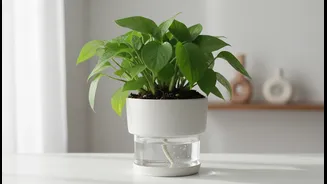
It seems counterintuitive, but overwatering is a major risk during the monsoon. Your plants are getting plenty of moisture from the humid air and frequent showers. Never water your plants on a fixed schedule. Instead, adopt the 'finger test': insert your finger about an inch or two into the soil. If it feels dry, then it's time to water. If it's damp, hold off. When you do water, do so in the morning so that any excess moisture on the leaves has a chance to evaporate during the day, reducing the risk of fungal diseases that thrive overnight. For plants on an open balcony, you may not need to water at all on days it rains.
Improve Air Circulation
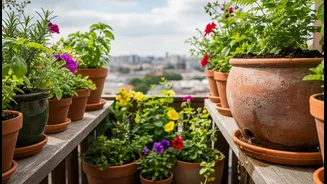
Fungus thrives in still, damp conditions. Improving airflow around your plants is a powerful defensive strategy. Avoid overcrowding your pots; give each plant enough space to breathe. This simple step helps leaves dry faster after a rain shower. For plants with dense foliage, strategic pruning is beneficial. Trimming some of the inner branches and leaves opens up the plant, allowing air to move freely through it and preventing a humid microclimate from forming within the canopy. If your balcony is enclosed, a small fan can make a significant difference in keeping the air moving.
Prune Proactively and Keep It Clean
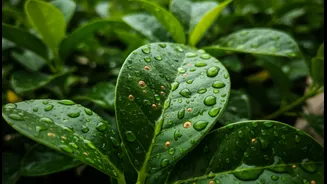
Regular maintenance is your best friend during the monsoon. Inspect your plants every couple of days for early signs of trouble, such as yellowing leaves, black spots, or a white powdery residue. Immediately prune any infected, dead, or damaged leaves and stems. This prevents diseases from spreading to healthy parts of the plant. It's also important to remove spent flowers and any fallen leaves from the soil surface, as this decaying organic matter can be a breeding ground for fungi. Always use clean pruning shears and wipe them with alcohol between plants to avoid cross-contamination.
Deploy a Natural Fungicide Shield
A preventive approach is often better than a cure. You can protect your plants with a periodic spray of a natural, mild fungicide. A neem oil solution is a popular and effective choice in India, acting as both a fungicide and a pesticide. A simple mixture of 5 ml of neem oil and a few drops of liquid soap in one litre of water, sprayed every 10-15 days, can create a protective barrier on the leaves. Another easy home remedy is a baking soda solution (one teaspoon of baking soda in a litre of water with a little soap), which can help manage issues like powdery mildew. Cinnamon powder sprinkled on the soil can also help deter soil-borne fungi.
Provide Shelter from a Downpour
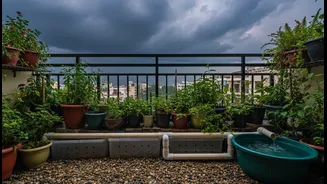
While rain is essential, torrential downpours can physically damage plants and cause extreme waterlogging. Grouping pots can offer some mutual protection, but for your more delicate or water-sensitive plants, like succulents, consider moving them to a more sheltered part of the balcony. Placing them under an overhang or closer to the wall can protect them from the direct force of heavy rain while still giving them access to light. For very young or fragile seedlings, this little bit of extra protection can be the difference between surviving and thriving through the monsoon.