





More Than Just a Meal
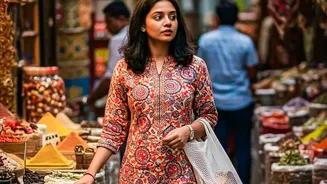
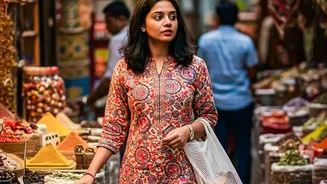
For the modern Indian traveller, discovering a city is no longer just about ticking off a list of famous landmarks. There is a growing hunger for authentic, immersive experiences that connect them to the soul of a place. This is where the humble food
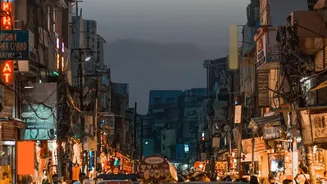
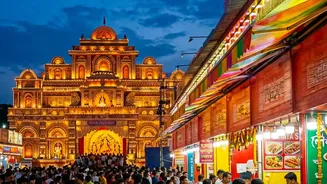
walk comes in, transforming from a simple culinary tour into a powerful tool for cultural and historical exploration. These are not chaotic crawls from one vendor to another; they are curated journeys led by passionate storytellers. They weave through bustling bazaars and forgotten alleyways, using food as a lens to understand a city’s past, its migrations, and its unique cultural fabric.
Tasting History in Every Bite
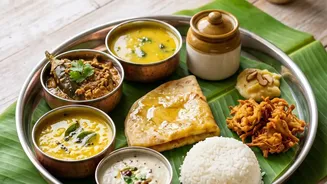
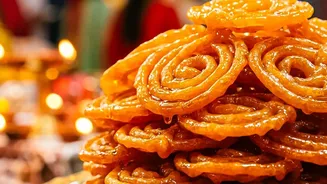
Every dish served on a food walk is a delicious artifact. A plate of chaat in Old Delhi, for instance, isn't just a tangy, spicy snack; its origins are said to trace back to the Mughal era, when Emperor Shah Jahan's physicians advised a flavourful remedy to combat the local water. Similarly, the journey of the samosa from a meat-filled Persian 'sambosa' to the beloved potato-stuffed snack of today tells a tale of centuries of trade and cultural adaptation. Food walk guides are adept at sharing these narratives, explaining how ingredients and cooking techniques reflect historical events, from Mughal influence in the north to colonial introductions in the east.
The City as a Living Museum
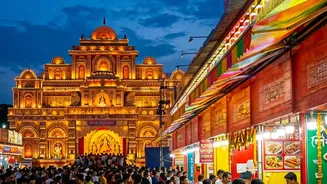
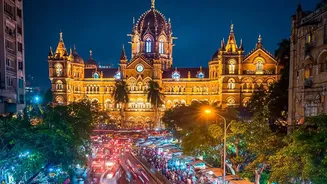
Food walks compel travellers to look closer at their surroundings. The journey to find the best 'daulat ki chaat' in winter or the most authentic 'vada pav' in Mumbai often leads participants down streets they would never otherwise explore. The focus shifts from grand edifices to the living, breathing heritage of the city—the architecture of old 'havelis', the distinct community layouts of a 'pol' or 'para', and the social hubs that have formed around generations-old eateries. In cities like Lucknow, organisers are consciously moving beyond the famous kebabs to showcase a wider culinary landscape that tells a more complete story of the city. In this way, the city itself becomes the museum, and the food stalls are its interactive exhibits.
Custodians of Culinary Legacy
At the heart of this experience are the vendors themselves—families who have been perfecting a single dish for generations. They are not just cooks; they are living archives, the keepers of recipes and techniques passed down through time. A food walk introduces travellers to these local legends, providing a platform for their stories and ensuring their legacy is recognised and preserved. Supporting these small, family-run businesses is a crucial aspect of these tours, contributing directly to the local economy and helping to sustain the very heritage that makes a city unique. These walks often create a direct connection between the maker and the consumer, adding a layer of humanity to the travel experience.
A New Way to See India
Ultimately, the rise of food walks signals a shift in how Indians are choosing to travel within their own country. The desire for experience-based tourism is growing, with travellers seeking a deeper understanding of regional diversity. These tours offer a solution that is both enjoyable and educational, turning a weekend getaway into a rich cultural immersion. By connecting flavour to history and community, local food walks are not just feeding travellers—they are offering them a key to unlock the hidden stories of India's incredible urban heritage, one street, one stall, and one unforgettable bite at a time.