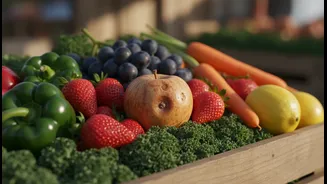








Why a Quick Inspection Matters
That quick check before storage is your first line of defence against a few common kitchen frustrations. Firstly, it’s a matter of food safety. Harmful bacteria can sometimes be present on produce, and catching damaged or bruised spots where mould and bacteria can grow
is crucial. Secondly, it’s about quality and flavour. You’re ensuring only the freshest, crispest leaves and plumpest berries make it into your meals. Finding and removing a single mouldy berry can stop the rot from spreading to the entire punnet, dramatically reducing food waste. This simple habit protects your investment, making sure the produce you paid for doesn't spoil prematurely. Finally, it gives you a chance to find any tiny stowaways—like aphids or other small insects—that may have hitched a ride from the farm.
A Guide to Leafy Greens
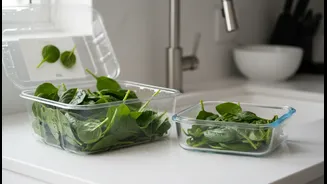
Leafy greens like spinach, lettuce, and kale require a careful look. Before washing, spread the leaves out and check for common issues. Discard any leaves that are slimy, yellowed, or heavily wilted. Look closely for pests like aphids, which often hide on the undersides of leaves or in the tight curls of lettuce hearts. You might also spot small caterpillars or signs of leaf miners. Once you've removed any compromised leaves, the best way to wash the rest is under cool, running water. For loose leaves, a colander works well. For whole heads, it's best to separate the leaves first. Soaking greens in a bowl of water can help loosen grit, but a final rinse is still necessary. After washing, drying is critical to prevent spoilage. A salad spinner is ideal, but patting them dry with a clean towel also works well before storing them in the fridge.
Handling Soft Fruits with Care
Soft fruits like strawberries, raspberries, and blueberries are delicate and prone to mould. The key is to inspect them without causing damage. Gently turn the container over to view the fruit at the bottom, which is often where moisture collects and mould begins. Look for any berries that are mushy, weeping, or showing fuzzy white or grey spots. One mouldy berry can quickly spoil the whole batch, so it's important to remove it immediately. Some tiny insects, like thrips, can hide near the crown of a strawberry or within the crevices of a raspberry. A gentle rinse just before you plan to eat them is the best practice, as washing them too far in advance can accelerate spoilage. When you do wash them, do it gently under cool running water. Storing them dry in a breathable container in the refrigerator is the best way to prolong their freshness.
Your Simple Inspection Toolkit
You don’t need any fancy equipment to properly inspect your produce. Your most important tools are clean hands and good lighting. Wash your hands with soap and warm water for at least 20 seconds before you begin. A clean countertop or a large white plate can serve as an excellent inspection surface, making it easier to spot small insects or debris that fall off. Other helpful items include a colander for rinsing, a salad spinner for efficient drying of greens, and clean paper towels or a kitchen towel. For storage, having some airtight containers or clean plastic bags on hand will ensure your freshly inspected produce stays that way for as long as possible.
Found Something? Here's What to Do
Discovering an issue doesn’t always mean you have to throw the produce away. If you find a few small, harmless insects like aphids, a thorough wash will typically solve the problem. For bruised or damaged spots on firmer greens or fruits, simply cut them away. If leaves are slightly wilted but not slimy, they can often be revived by soaking in a bowl of ice water for a few minutes. However, if you find widespread mould, a slimy texture, or a foul smell, it is safest to discard the produce. When it comes to mould on soft fruits, it is not enough to just remove the mouldy part, as the contamination can spread invisibly through the porous fruit; the entire affected berry should be thrown out.