




A New Martian Workforce
NASA has awarded contracts to seven American firms to develop advanced robotic mobility systems for future missions to Mars. The initiative, named STRIDE (Science Transport and Robotic Innovation for Deployment and Exploration), aims to create robots
that can access challenging terrain, travel greater distances, and investigate scientifically valuable regions currently beyond our reach. With a total potential value of around $17 million, these contracts represent a deliberate move away from designing single, monolithic rovers in-house and toward fostering a diverse ecosystem of commercial robotic solutions. This approach allows NASA to tap into a wider pool of innovation, potentially lowering costs and increasing the frequency of missions to the Red Planet.
Meet the Robotic Vanguard
The seven companies selected represent a cross-section of the aerospace and robotics industries, from established NASA partners to nimble innovators. The awardees are AeroVironment, Astrobotic, Venturi Astrolab, Ground Control Robotics, Honeybee Robotics, Intuitive Machines, and MEI Technologies. Some of these names are already well-known in space exploration. AeroVironment was a key collaborator on the history-making Ingenuity Mars helicopter. Honeybee Robotics has a long and successful track record developing drills and sample collection systems for numerous NASA missions. Meanwhile, companies like Astrobotic and Intuitive Machines are major players in the commercial lunar landing sector, bringing invaluable experience in delivering payloads to other worlds.
Beyond Wheels and Treads
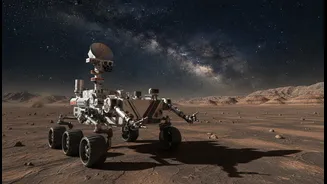
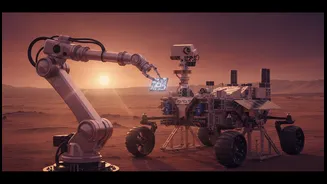
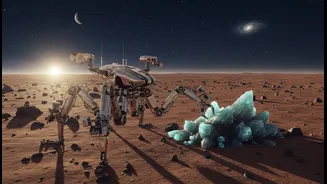
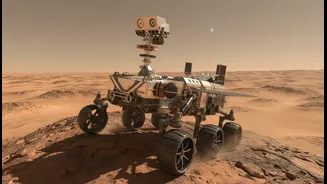
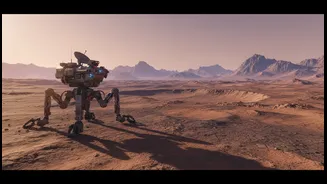
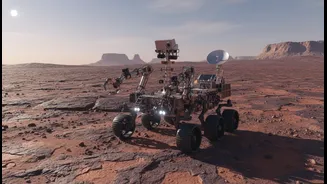
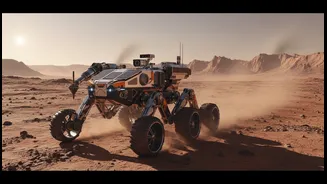
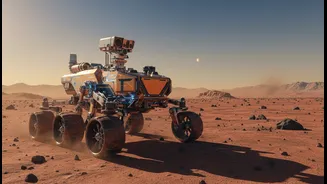
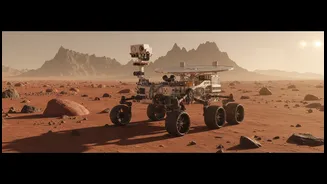
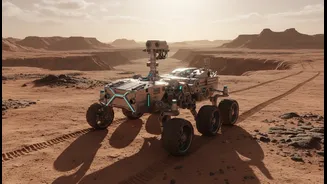
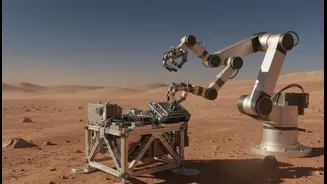
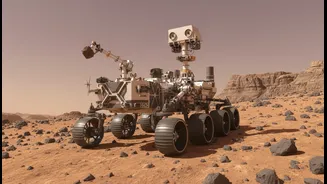
The primary goal of the STRIDE initiative is to overcome the physical limitations that have constrained previous Mars rovers. While rovers like Curiosity and Perseverance have been immensely successful, they are limited by the terrain they can safely traverse. The new program is seeking a variety of mobility solutions, including both surface and aerial technologies. This could mean developing advanced rovers capable of climbing steep crater walls, drones that can quickly scout large areas, or even specialized robots designed for tasks like construction or mining. The aim is to create a versatile toolkit of robots that can work together, much like a human exploration team, to achieve complex scientific and logistical goals on the Martian surface.
The Commercial Space Blueprint
This latest move is part of a much larger strategic pivot by NASA. For years, the agency has been successfully leveraging public-private partnerships, most famously with SpaceX for launching astronauts to the International Space Station. The STRIDE program extends this model to the realm of planetary robotics. By acting as a partner and customer rather than the sole developer, NASA helps to build a robust commercial space industry capable of serving multiple clients. This approach not only stimulates the American space economy but also drives down costs through competition and innovation, ultimately allowing the agency to do more science and exploration with its budget.
Paving the Way for Humans
While the immediate focus is on robotic science, the ultimate destination is a human one. The technologies developed under STRIDE are critical stepping stones for sending astronauts to Mars. Future robotic missions will not just be looking for signs of past life; they will be scouting safe landing zones, mapping resources like subsurface ice, and potentially even building infrastructure before humans arrive. The lessons learned and technologies proven on Mars will also directly benefit NASA's Artemis program, which aims to establish a sustainable human presence on the Moon. These robots are not just explorers; they are the advance team, preparing the way for humanity's next giant leap.