

From Occasion Wear to Everyday Expression
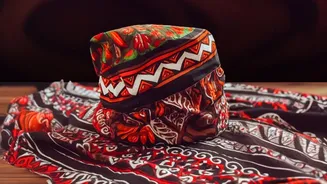
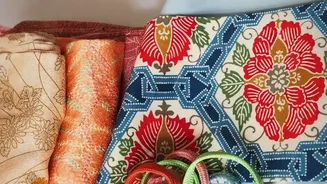
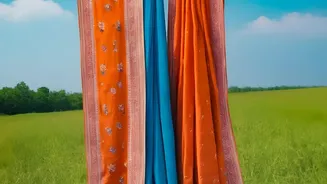
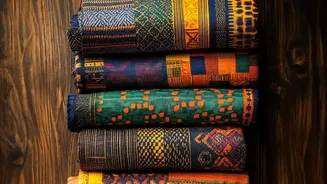
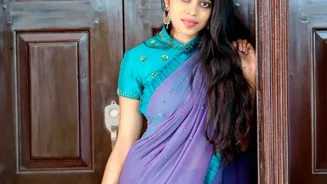
For decades, handloom fabrics were often seen as something reserved for festivals, weddings, or a parent's wardrobe. But that perception is changing, thanks to a significant cultural shift led by India's youngest consumers. Gen Z is moving away from mass-produced
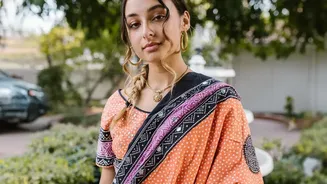
fast fashion and showing a growing appreciation for pieces with a story. They are embracing handwoven textiles much earlier than previous generations, styling them in contemporary ways that blend tradition with personal expression. This isn't just about wearing a beautiful fabric; it's about making a conscious choice. The renewed interest is tied to a desire for authenticity, sustainability, and a connection to cultural roots.
The Search for Sustainability and Meaning
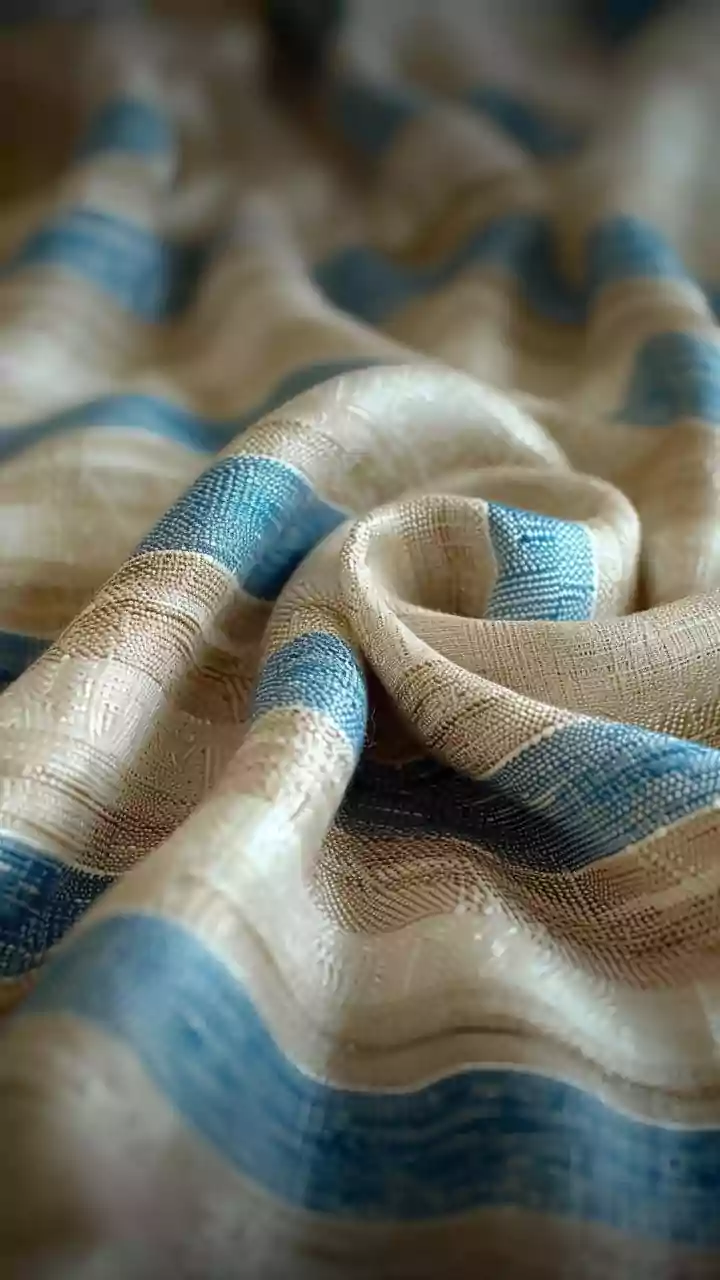
At the heart of this trend is Gen Z’s value system. This is a generation acutely aware of the environmental and social costs of the fast fashion industry. They are increasingly demanding transparency, ethical production, and clothing that lasts. Handloom, with its use of natural fibres, traditional techniques, and minimal carbon footprint, fits perfectly into this mindset of slow, conscious consumption. Unlike machine-made textiles, each handwoven piece carries the imprint of its maker, offering a narrative of craftsmanship that resonates deeply with young consumers seeking to express their individuality and values through their clothing.
The Digital Bridge to Artisans
This revival wouldn't be possible without technology. Social media platforms like Instagram and Pinterest have become virtual showrooms, allowing artisans and independent designers to connect directly with a global audience. These platforms have made it possible for a weaver in a remote village to showcase their craft to a young shopper in a major city. E-commerce marketplaces like GoCoop, iTokri, and Craftsvilla further bridge this gap, providing artisans with the logistics and market access they previously lacked. This digital ecosystem empowers weavers, often cutting out middlemen and ensuring they receive a fairer share of the profits, while giving consumers access to authentic, handcrafted goods.
A Modern Take on Timeless Crafts
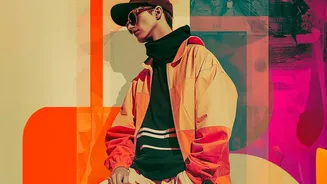
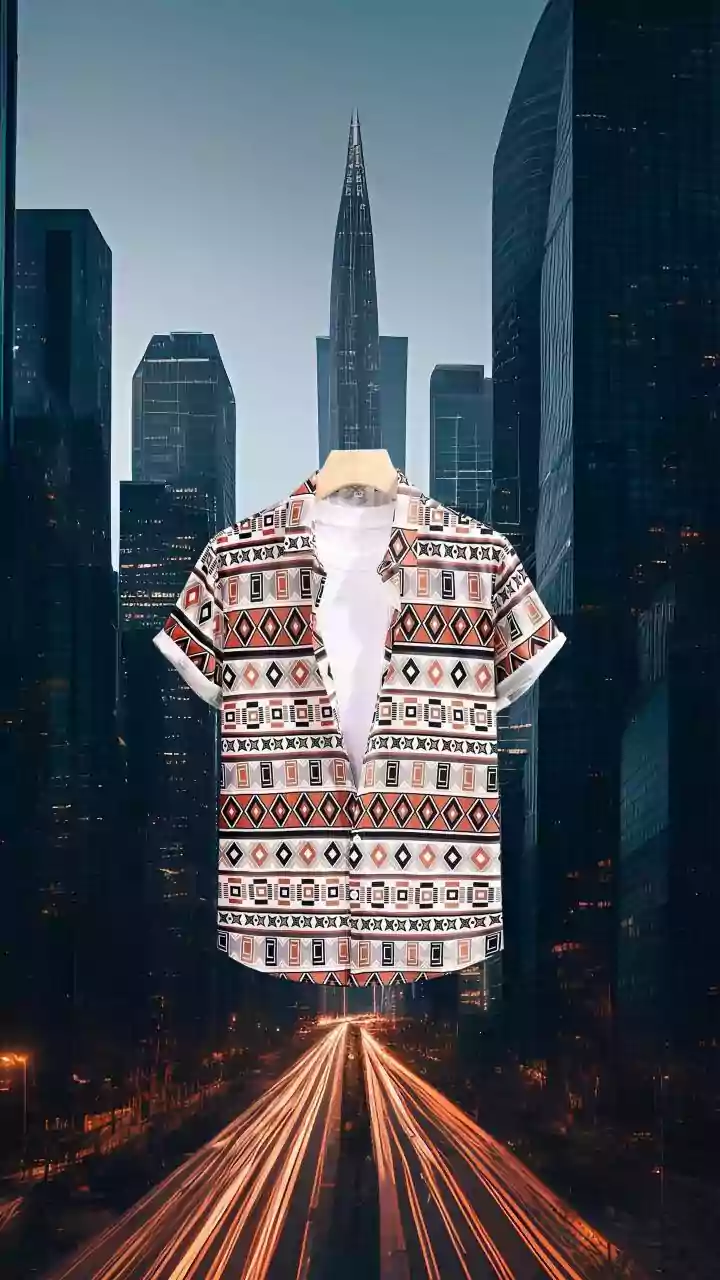
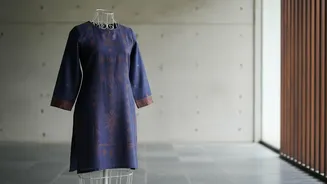
Designers are also playing a crucial role by reinterpreting traditional textiles for a modern wardrobe. Handloom fabrics are being transformed into contemporary silhouettes like oversized shirts, co-ord sets, dresses, and jackets. This innovation makes heritage weaves more accessible and easier to incorporate into everyday life beyond a traditional aesthetic. By blending age-old crafts with current styles, designers are helping to shed the perception of handloom as dated, proving that it can be both timeless and fashionable. This approach allows young consumers to connect with their heritage on their own terms.
Challenges on the Weaver's Path
Despite the positive momentum, the handloom sector faces significant hurdles. Competition from cheaper, machine-made power loom textiles remains a major threat. The rising cost of raw materials like yarn and dyes squeezes the already thin profit margins for weavers, many of whom still earn low wages. Furthermore, there is an urgent need to preserve traditional skills, as many in the younger generation in weaving communities are migrating to other jobs. For the revival to be truly sustainable, it must translate into better livelihoods and structural support for the artisan communities who are the backbone of this priceless heritage.